


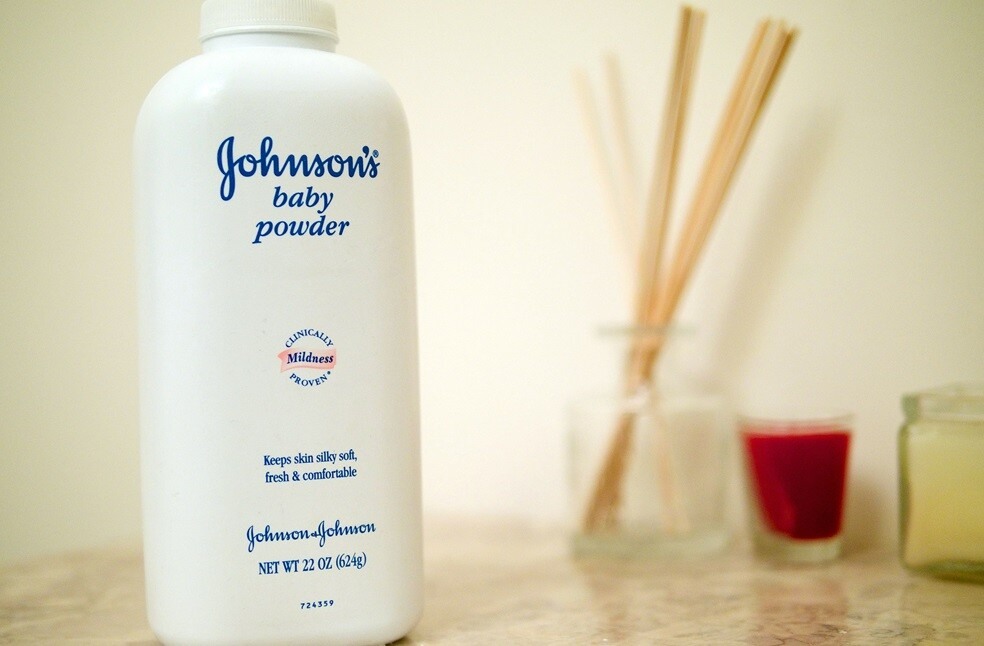
Los Angeles: The Johnson & Johnson talc cancer verdict has delivered a significant legal setback for the healthcare giant after a jury in Los Angeles Superior Court ruled in favour of two California women who developed ovarian cancer following decades of baby powder use.
The jury awarded $18 million to Monica Kent and $22 million to Deborah Schultz and her husband, concluding that the company knew its talc-based products posed risks but failed to adequately warn consumers.
Court records have shown that Kent was diagnosed with ovarian cancer in 2014, while Schultz received the diagnosis in 2018. Both women testified that Johnson & Johnson baby powder had been used daily for nearly 40 years, primarily after bathing. Treatments reportedly included major surgeries and extensive chemotherapy, significantly affecting quality of life.
During closing arguments, attorneys representing the plaintiffs argued that internal company documents showed awareness dating back to the 1960s about potential cancer risks associated with talc. The jury ultimately accepted that Johnson & Johnson had not taken sufficient steps to inform users of those risks.

Johnson & Johnson has rejected the verdict and stated that an appeal will be filed immediately. Erik Haas, the company’s worldwide vice-president of litigation, said that the company expects to prevail, citing what was described as an aberrant adverse verdict. The firm has continued to maintain that its talc products are safe, do not contain asbestos, and do not cause cancer.
Defence attorneys argued that no major US health authority has concluded that talc causes ovarian cancer and stated that no scientific study has proven talc can migrate from external use to reproductive organs. They maintained that the link between the cancer diagnoses and baby powder use was asserted only by legal representatives.
The Johnson & Johnson talc cancer verdict has emerged amid wider legal challenges facing the company. More than 67,000 plaintiffs have filed lawsuits alleging cancers linked to talc-based products. While the company stopped selling talc-based baby powder in the United States in 2020, it has continued to face claims related to both ovarian cancer and mesothelioma.
Efforts by Johnson & Johnson to resolve the litigation through bankruptcy restructuring have been rejected three times by federal courts, most recently in April. Following the dismissal of the latest Chapter 11 attempt, these cases have resumed moving toward trial.
TOP PICKS | Venezuela Nobel winner emerges in Oslo after months hidden
