


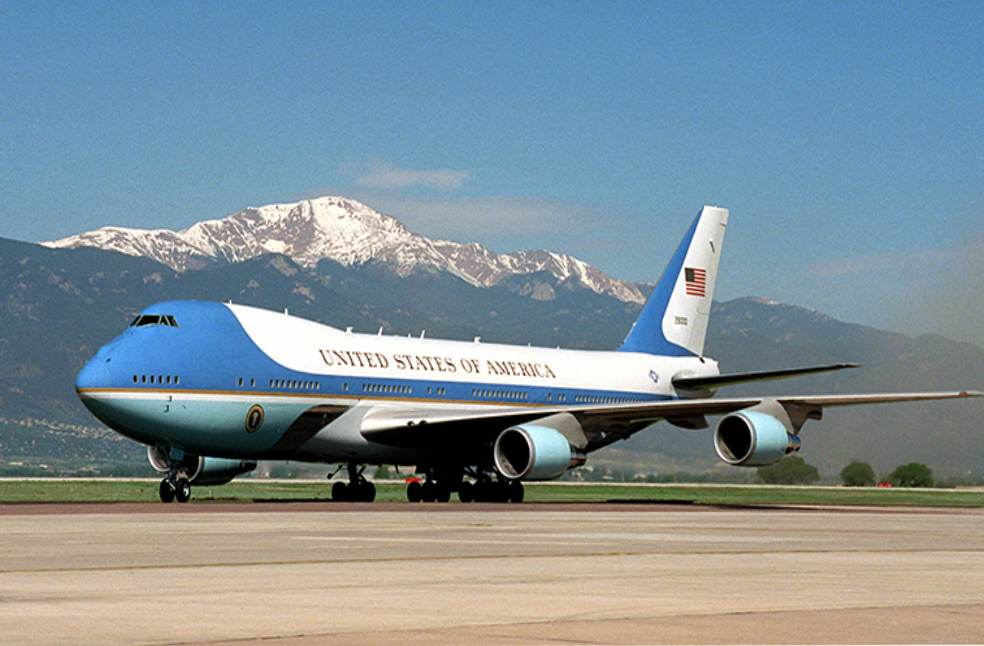
Washington: Air Force One delay has deepened after the US Air Force has confirmed that the delivery of the first of two new presidential aircraft built by Boeing has been pushed back by another year, with the earliest arrival now expected in mid-2028.
The revised timeline has increased uncertainty around whether the aircraft will be available for use before President Donald Trump’s term ends in January 2029.
The Air Force has said the program has faced persistent technical, supply-chain, and staffing challenges, marking the latest setback in a project that has already experienced multiple delays. The two replacement jets, based on Boeing’s 747-8 aircraft, are intended to succeed the current Air Force One planes that have been in service since 1990.
The cost of Boeing’s effort to deliver the new aircraft has risen sharply, with the total program now exceeding USD 5 billion. The prolonged Air Force One delay has placed additional strain on Boeing, which has been working to stabilise its defence and commercial aviation divisions amid wider operational challenges.
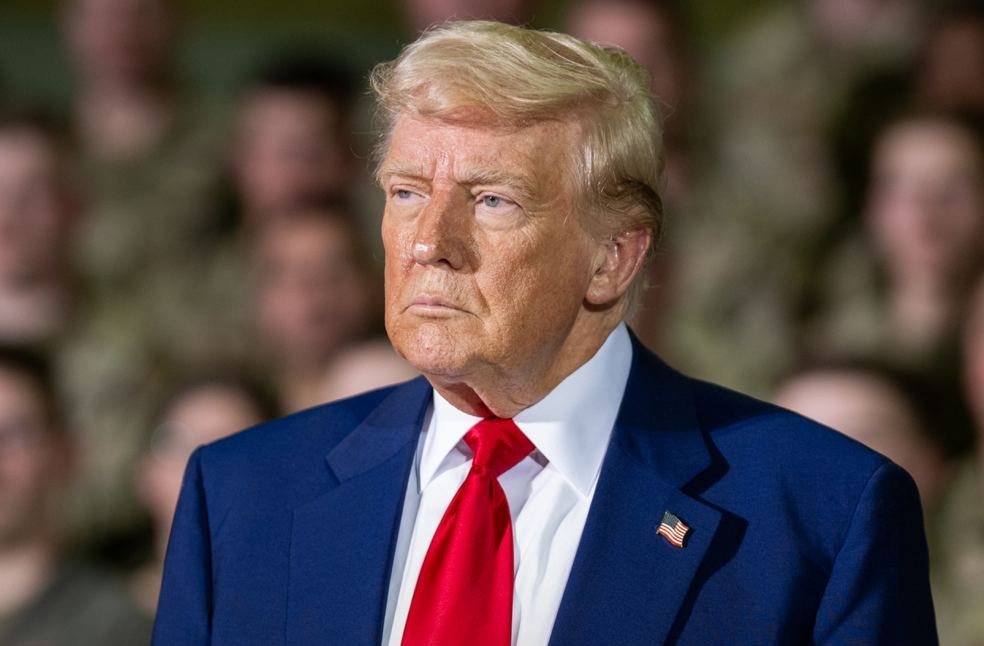
Earlier this year, the United States accepted a luxury Boeing 747 aircraft from Qatar as a gift, prompting the White House to ask the Air Force to accelerate plans to convert it for potential presidential use. Defence contractor L3Harris Technologies has been selected to oversee the modification and overhaul of the Qatar-provided jet, although officials have said it is not intended to replace the main Air Force One programme.
President Trump has previously expressed frustration over Boeing’s inability to meet delivery targets but has ruled out using European rival Airbus as an alternative supplier. Boeing chief executive Kelly Ortberg has indicated that Elon Musk, who serves as an adviser to Trump, has been assisting the company in navigating challenges related to the presidential aircraft programme.
In June, Boeing appointed Steve Sullivan, a former Northrop Grumman executive with experience on high-profile defence projects such as the B-21 bomber, to lead the Air Force One programme. Sullivan replaced Gregg Coffey, who has moved into a different role within Boeing, as part of efforts to stabilise the project and regain momentum.
The Air Force has said it continues to monitor progress closely, while acknowledging that further schedule risks remain as work continues on the highly customised aircraft.
MOST READ | McDonald’s pulls AI Christmas ad after backlash
