



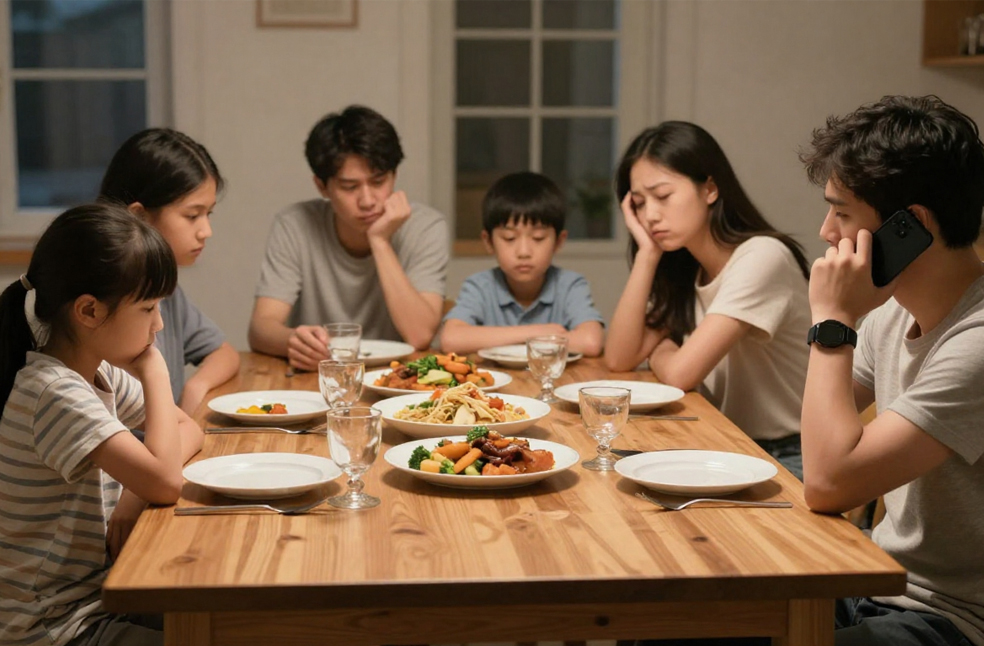
Phubbing is a word used to describe a common situation today. It happens when someone looks at their phone while another person is speaking to them. The person is still in front of you, but their attention moves to the screen. The action looks small, but for many people, it feels disappointing and hurtful.
Most phubbing is not done on purpose. Phones buzz, notifications appear, and people quickly check messages without thinking about it. But the person on the other side may feel ignored. When this habit repeats often, it can slowly create emotional distance between friends, partners, and family members.
This behaviour has become more common because phones are now part of daily life. Many people use them from the moment they wake up until they go to sleep.
Phones give information, entertainment, and a sense of comfort. Over time, this constant presence of screens has affected how people communicate. Phubbing now appears in many places, homes, cafés, restaurants, offices, and even during important conversations.
Understanding and communication
Understanding the habit of phubbing is the first step in reducing it. When people become aware of how often they check their phones, they can make small changes. Keeping the phone face down, turning off some alerts, or choosing certain times to stay phone-free can improve the quality of conversations. These simple actions help people stay more present with each other.
Open communication also plays an important role. Telling someone politely that you prefer their attention during a discussion can make a difference. This approach is not about blame. It is about explaining that the moment is important and deserves focus. Since most phubbing comes from habit, gentle reminders work better than criticism.
When people reduce phubbing, relationships often improve. Conversations become clearer. People feel respected and heard. The connection between them becomes stronger because full attention creates trust and understanding.
Phubbing does not mean phones are bad. It simply shows how technology can interrupt real human presence. By being more aware and making small adjustments, individuals can protect their relationships and give more value to the people around them.
POPULAR | Digital Detox: Rediscovering life beyond the screen
