


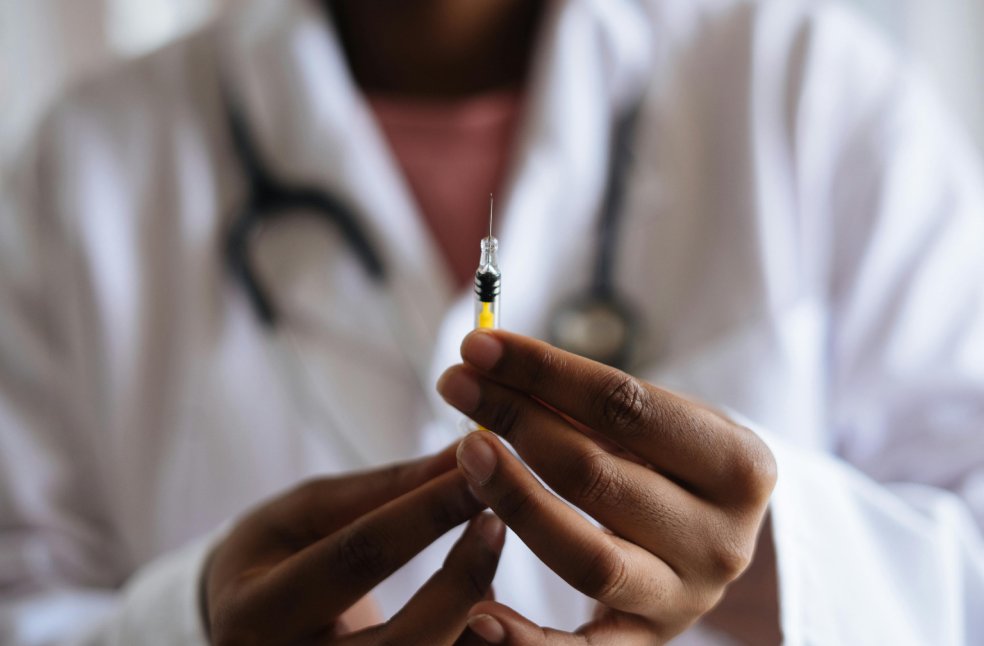
United States: A major shift in US vaccine policy has ignited intense debate after a federal advisory panel voted to end the longstanding recommendation of administering hepatitis B (HBV) vaccines to newborns immediately after birth.
The Advisory Committee on Immunization Practices (ACIP) voted 8–3 to support individual-based decision-making for babies born to mothers who test negative for HBV. The move changes more than three decades of universal newborn vaccination guidelines, first introduced in 1991 and credited with preventing an estimated 90,000 deaths in the US.
Today, the Advisory Committee on Immunization Practices (ACIP) voted in favor of removing the universal hepatitis B vaccine recommendation for infants under 2 months old. pic.twitter.com/xWGH4EQ7go
— CDC (@CDCgov) December 5, 2025
The decision comes months after Health Secretary Robert F. Kennedy Jr., a vocal vaccine critic, dismissed all ACIP members and replaced them with individuals who share scepticism toward routine vaccinations.
Shortly after the vote, US President Donald Trump ordered a sweeping review of all childhood vaccination recommendations. A White House memo directed officials to compare US practices with peer, developed countries and update the national immunisation schedule if foreign systems are deemed superior.
Public health experts warn of rising risk
Medical professionals and public health experts expressed alarm at the change, cautioning that weakening guidance could raise unnecessary safety concerns and increase HBV infections among infants.
Dr. Cody Meissner stated that, “The hepatitis B vaccine recommendation is very well established. We know it’s safe and very effective. We will see more children and adolescents and adults infected with hepatitis B.”
HBV spreads through bodily fluids and can cause chronic liver disease, cancer, or liver failure. Newborns infected during delivery face particularly high risks of lifelong complications.
While the panel continues to recommend birth-dose vaccinations for babies born to mothers who test positive, critics highlight the dangers of relying solely on testing. Some pregnant individuals lack adequate testing access or may receive false-negative results, leaving infants vulnerable.
A controversial shift toward delayed doses
The updated guidance suggests that babies not vaccinated at birth should receive their first dose no earlier than two months of age, a recommendation that several ACIP members contested during the tense two-day meeting.
Dr. Joseph Hibbeln called the voting choices incredibly problematic, while others criticised the panel for acting on baseless scepticism. Opponents say delaying vaccination could leave infants unprotected during a critical early window.
Political and medical backlash intensifies
The decision has drawn strong condemnation, including from Republican Senator and physician Bill Cassidy, who previously supported Kennedy’s appointment despite reservations about his vaccine views.
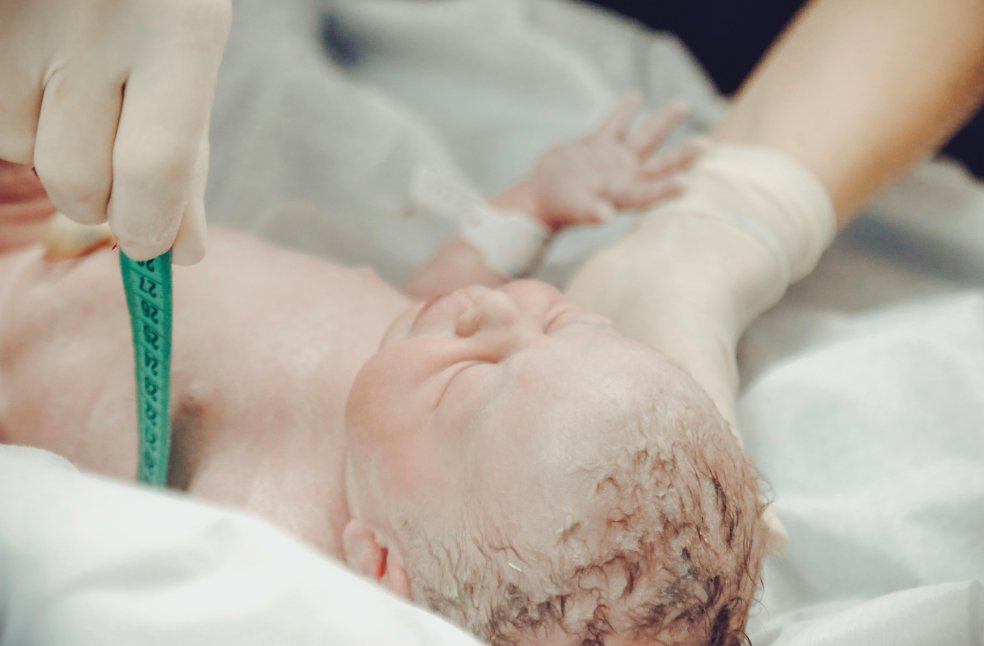
Vidal Balielo Jr.@Pexels | Cropped by BH
Cassidy warned that, “This change to the vaccine schedule is a mistake. The hepatitis B vaccine is safe and effective. The birth dose is a recommendation, NOT a mandate.”
Maryland’s state health department swiftly issued an advisory urging hospitals to continue offering the birth-dose vaccine, citing American Academy of Paediatrics guidance.
Global practices and US policy review
Supporters of the ACIP decision argue that the US policy was misaligned with other countries. The World Health Organisation recommends HBV vaccination at zero, one and six months, while the UK schedules doses at eight, 12 and 16 weeks unless the mother tests positive.
However, public health advocates counter that weakening universal recommendations could reverse decades of progress in reducing HBV transmission.
With Trump ordering a nationwide review of childhood vaccines and Kennedy reshaping federal health agencies, the decision marks a pivotal moment in the direction of US immunisation policy, one that experts warn could have enduring consequences for infant health and disease prevention.
MOST READ | Child deaths predicted to rise as aid declines, Gates reports
