


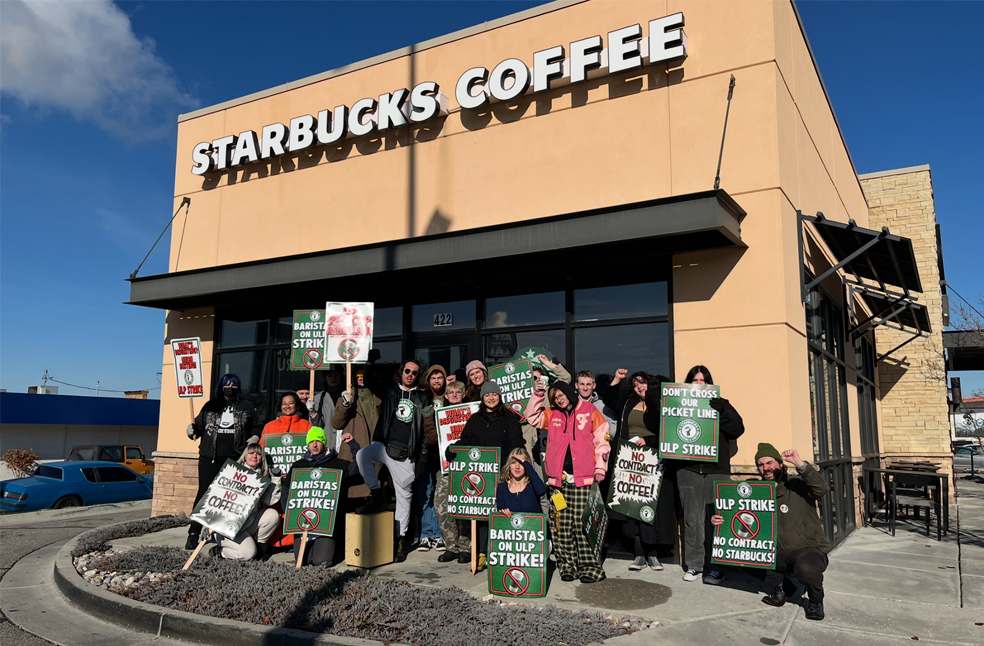
New York City: A large crowd gathered along Fifth Avenue, creating significant disruption outside the Empire State Building as demonstrators demanded that Starbucks negotiate a contract with its union.
Hundreds of picketers filled the sidewalk with signs calling for improved labor conditions, temporarily blocking the entrance to one of the building’s Starbucks Reserve locations, where the company also maintains an office.
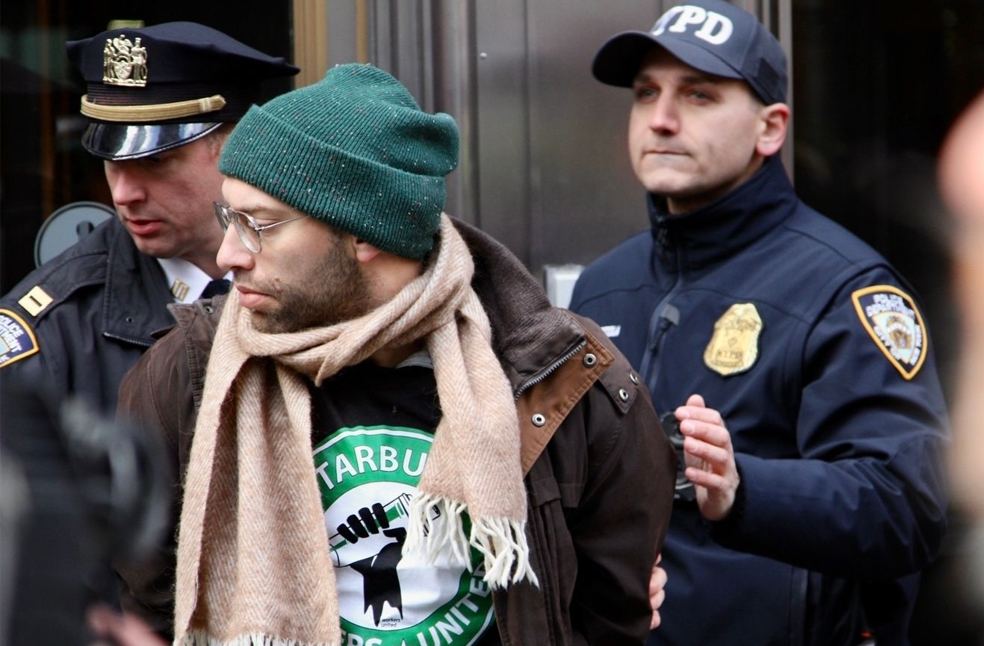
The demonstration resulted in several arrests. Starbucks Workers United reported that 12 participants were detained, though the NYPD has not confirmed the number. Starbucks, meanwhile, estimated that only about 25 of those present were company employees, a figure strongly disputed by the union, which reported more than 100 baristas in attendance.
The protest marked the third consecutive week of open-ended strikes that began on November 13, following stalled contract negotiations. Tensions between Starbucks and its workforce have persisted for years across its network of 18,300 locations in the US and Canada. In December 2024, workers initiated a strike after rejecting a proposal offering a 2 percent raise with no enhancements to healthcare benefits.
Starbucks maintains that it offers competitive compensation, citing average hourly pay and benefits exceeding $30 and noting relatively high employee engagement and low turnover. However, Starbucks Workers United argues that starting wages in many states remain significantly lower, with rates as low as $15.25 per hour in some regions and limited weekly hours preventing many workers from qualifying for benefits.
The company claims the union is seeking immediate pay increases of 65 percent and a 77 percent rise over three years, along with higher compensation for weekend shifts, extended hours, and high-traffic promotional days. The union counters that Starbucks has exaggerated its demands by combining multiple proposal options into one inflated figure.
Political pressure is also intensifying. New York City officials, both outgoing and incoming, have urged the company to reach an agreement. This comes as the city finalizes a $38.9 million settlement with Starbucks for more than 500,000 violations of the Fair Workweek law between 2021 and 2024. The settlement covers workers at 300 Starbucks stores across the city.
The labor dispute unfolds amid broader national challenges. Under the administration of US President Donald Trump, the National Labor Relations Board has operated without a quorum, hindering its ability to address unfair labor practice cases. The administration has also removed board members known for pro-labor stances.
Unionization momentum at Starbucks has been building since 2021, when a Buffalo location became the first to unionize. The company has faced repeated accusations of union suppression, including mandatory meetings and surveillance concerns. In 2024, the NLRB ruled that a previous CEO violated labor law by making comments interpreted as discouraging union involvement.
Internally, Starbucks is navigating leadership transitions. Brian Niccol, who became CEO in 2024, has faced scrutiny due to a compensation package of nearly $96 million, creating the largest CEO-to-worker pay gap among S&P 500 companies. Niccol’s appointment followed the departure of Laxman Narasimhan, under whom contract discussions had gained traction. Since Niccol took over, bargaining has largely stalled.
Starbucks is also contending with weakened sales. While international markets saw modest growth in late 2025, North American sales remained flat. The company recently announced plans to close 1 percent of its US stores and cut 900 corporate positions under a $1bn restructuring effort.
As strikes continue, workers are hoping that increasing public visibility, political attention, and legal developments will lead to renewed negotiations. Starbucks, however, has criticized the ongoing protests and says it remains ready to return to the bargaining table when the union chooses to re-engage.
ALSO READ | IKEA to boost US production as tariffs hit imported goods
