



London: The UK government has launched a new national child poverty strategy, promising to lift 550,000 children out of poverty by 2030, though campaigners, charities, and policy experts say the plan still lacks the long-term ambition needed to tackle the scale of the crisis.
The most impactful decision in the package is the removal of the two-child benefit cap, which was first confirmed in Rachel Reeves’s recent budget announcement. This single measure alone is predicted to help 450,000 children escape poverty by the end of the current parliamentary term.
Much of the child poverty strategy, however, reintroduces or builds upon previously announced policies. These include offering upfront childcare support to universal credit recipients returning to work, creating an £8 million fund to ensure families are not left in B&B accommodation for more than six weeks.
4.5 million children in the UK grow up in poverty. Three quarters of them from working families.
How can they achieve their potential when they are skipping meals, or going to sleep in a cold bedroom?
I will not stand by and watch that happen. We are acting now to lift those…
— Keir Starmer (@Keir_Starmer) December 5, 2025
The strategy also focuses on reducing the cost of infant formula and introduces a new legal duty requiring local authorities to notify schools, health visitors, and GPs whenever a child is placed in temporary accommodation.
Additional initiatives highlighted include the government’s plan to lower annual household energy bills by £150, alongside a £950 million funding pot to support councils in delivering 5,000 improved homes tailored for temporary accommodation needs.
Despite these commitments, leading child rights organisations say the plan falls short of expectations. The National Children’s Bureau noted that, while lifting the two-child cap is a major win, the strategy largely recycles existing announcements and stops short of laying out the 10-year vision many had called for.
Without legally enforceable targets, critics say the government risks making only incremental progress. With 4.5 million children, approximately 31 percent of all children in the UK, currently living in poverty, projections show that even with the new policies, around four million children will remain in poverty once the strategy is fully implemented.
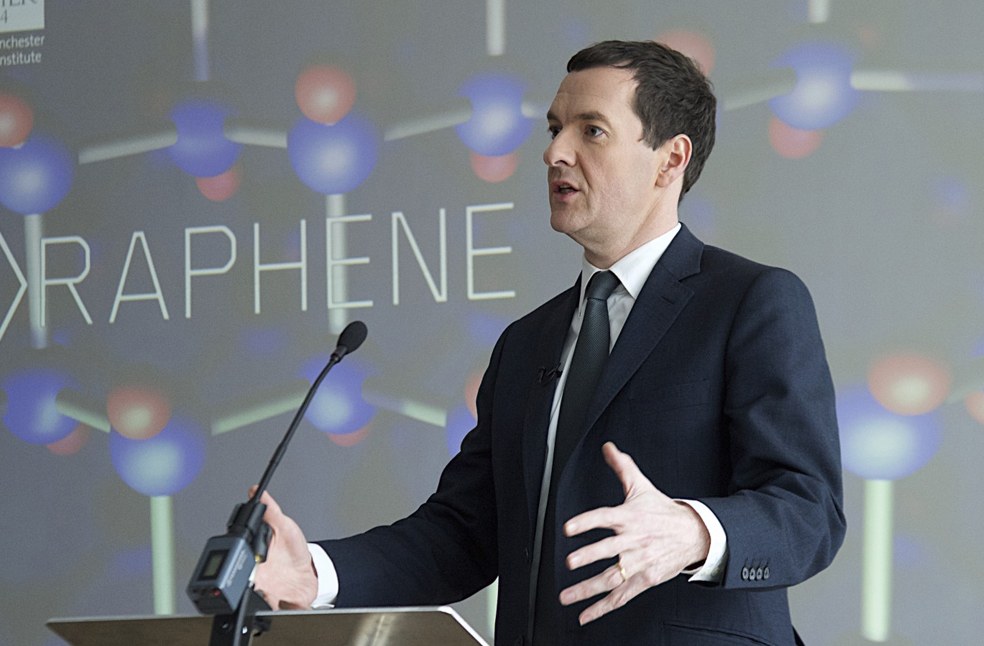
The two-child benefit cap, originally introduced by George Osborne in 2017, restricted financial support through universal credit and tax credits to the first two children in a household.
According to analysis from the Institute for Fiscal Studies, families affected by the policy lost an average of £4,300 per year. Many Labour MPs had long pushed for the policy’s removal, arguing it was one of the quickest and most cost-effective levers available to significantly reduce child poverty.
Although the government insists that investing in children is essential for future economic productivity and social stability, Conservative critics argue that those receiving benefits should be subject to the same financial considerations about family size as everyone else.
Former Conservative Minister Mel Stride, now the shadow chancellor, attacked the child poverty strategy, calling it a ‘budget for Benefits Street’ and accusing the government of presiding over rising unemployment. Meanwhile, Lord John Bird, the founder of the Big Issue and a crossbench peer, welcomed the removal of the benefit cap but stated that the government must adopt a far more comprehensive, long-term approach.
Bird urged ministers to introduce legally binding poverty reduction targets, create a dedicated ministry for poverty prevention, and restore Sure Start centres, which once served as vital early-years support hubs before facing widespread cuts.
As part of efforts to promote the Child Poverty Strategy, Prime Minister Sir Keir Starmer will travel to Wales to meet families affected by poverty. Starmer said that he ‘will not stand by’ while children go without secure housing, warm meals, and access to essential services.
Major charities, including Crisis, Shelter, and the Children’s Commissioner for England, stressed that the government must go further by unfreezing local housing allowances, building more social housing, and considering child-focused measures such as free bus travel for school-age students.
This strategy follows the establishment of a government child poverty taskforce in July 2024. Although the task force’s report has not yet been published, the government has released its formal response as part of the overall plan.
ALSO READ | EU to probe Meta over AI integration in WhatsApp
