


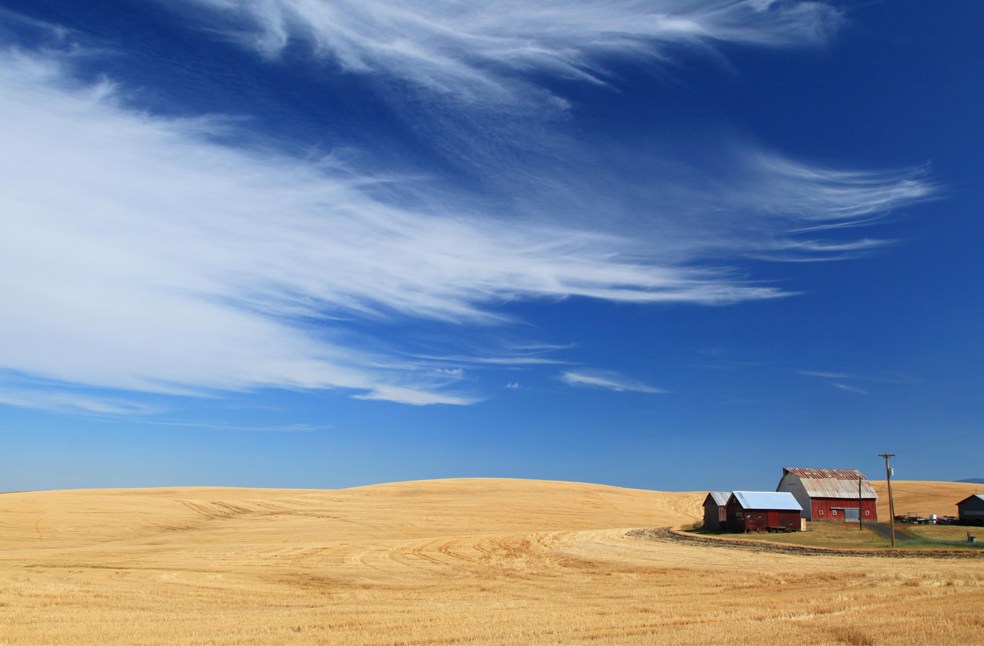
Washington DC: Cirrus clouds, the highest clouds in Earth’s atmosphere, appear as delicate, wispy streaks that resemble an artist’s brushstrokes across the sky. During the day, they shine bright white, while at dawn and dusk, they can take on the rich hues of sunrise and sunset.
Beyond their beauty, cirrus clouds play an important role in Earth’s climate system, allowing sunlight to pass through while trapping heat, producing a net warming effect.
Types of Cirrus
New research reveals that some cirrus clouds are seeded by storms thousands of miles away, a discovery that could have significant implications for global warming as storm patterns shift. Meteorologists have long distinguished two types of cirrus clouds: ‘anvil’ cirrus, which spreads out from large storm systems, and ‘in-situ’ cirrus, which seems to form independently in the upper atmosphere.
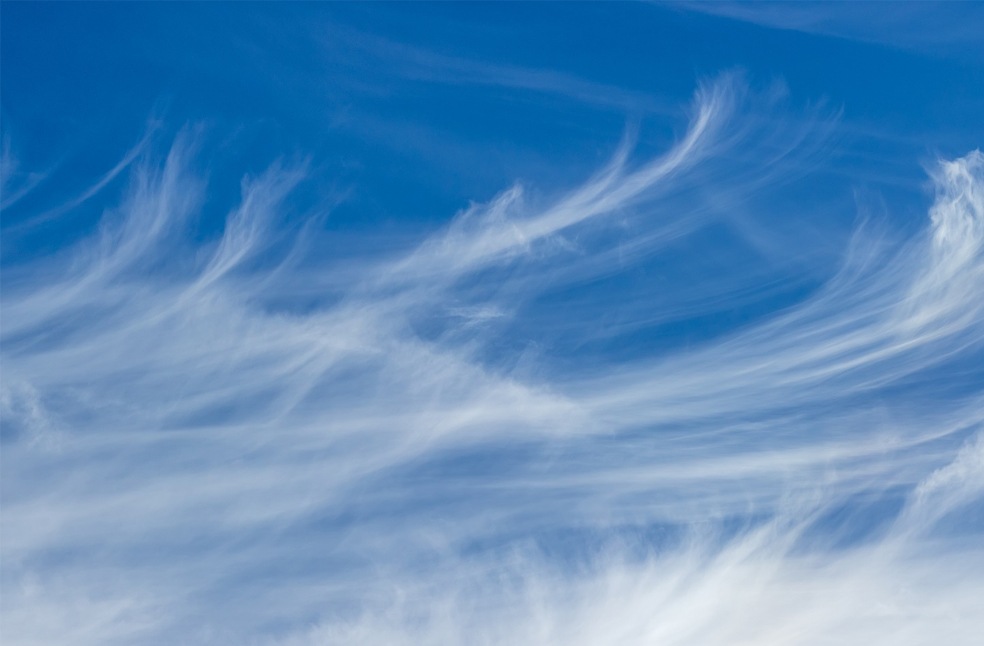
Differentiating between these types has been challenging. However, by applying advanced computer analysis to satellite cloud data, researchers found that in-situ cirrus clouds often form in response to major storms on the opposite side of the globe.
Published in the American Geophysical Union Advances journal, the study proposes that storms generate massive atmospheric waves that travel across the equator. These waves alter the temperature profile in the upper atmosphere, prompting the emergence of in-situ cirrus clouds far from the original storm system.
Understanding this connection is crucial because cirrus clouds’ ability to trap heat while letting sunlight through means changes in storm patterns could affect their distribution and density, thereby influencing global climate. As the planet warms and storm systems evolve, tracking how these clouds form and spread is increasingly important for predicting future climate impacts.
ALSO READ | US probes Shein and Temu over forced labour and IP theft
