


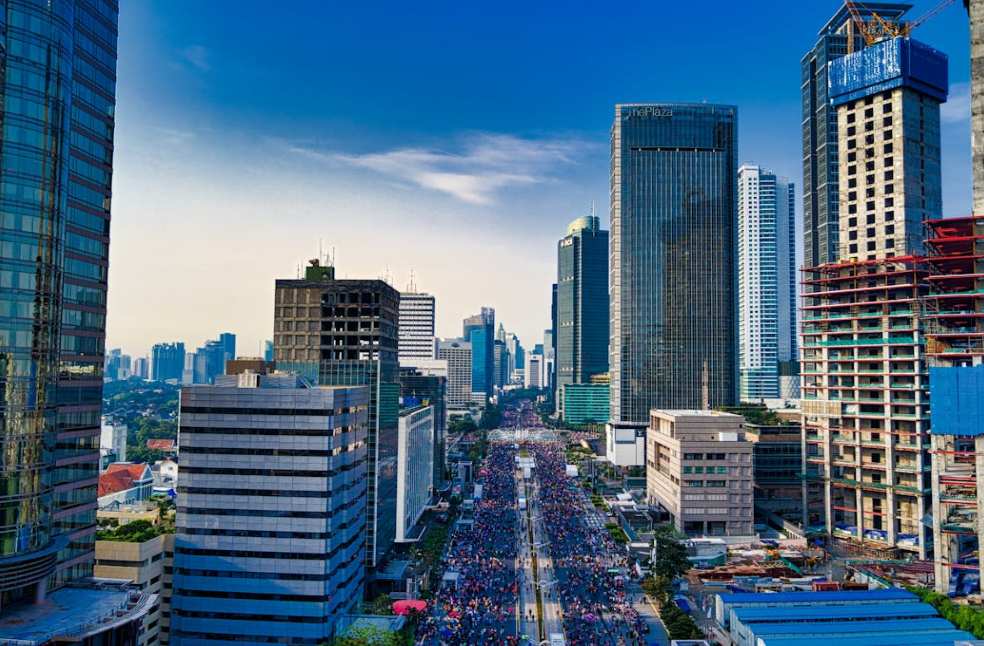
Jakarta: A major shift in global urban demographics has placed Jakarta at the top of the world’s rankings for the largest city, with 41.9 million people now living within its metropolitan boundaries.
The United Nations report shows Jakarta rising from second place to surpass Tokyo, which had held the title since the UN’s last comparable assessment in 2000.
Tokyo’s population has remained relatively stable at 33.4 million, dropping the Japanese capital to third. Dhaka has recorded extraordinary expansion, moving from ninth to second place with a population of 36.6 million and projected to become the world’s largest city by 2050.
The findings come from the UN Department of Economic and Social Affairs’ World Urbanization Prospects 2025 report, which also highlights a dramatic increase in megacities, defined as urban areas with more than 10 million residents. The number of megacities has expanded from eight in 1975 to 33, with Asia home to 19 of them and nine of the world’s top 10.
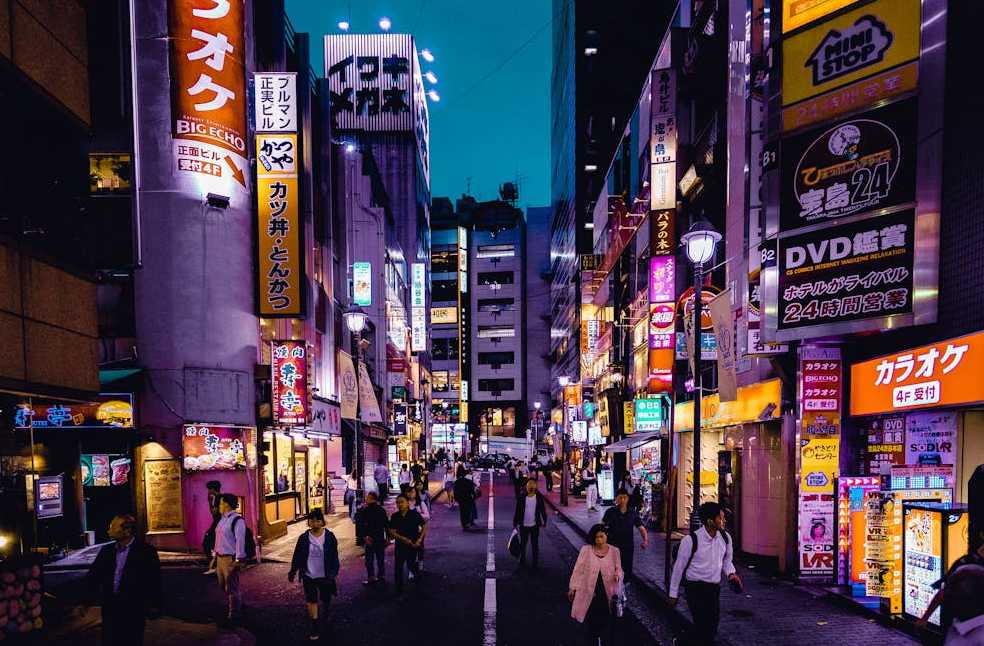
Other major Asian cities in the top 10 include New Delhi with 30.2 million people, Shanghai with 29.6 million, Guangzhou with 27.6 million, Manila with 24.7 million, Kolkata with 22.5 million and Seoul with 22.5 million. Cairo, with a population of 32 million, is the only non-Asian city to appear among the top urban agglomerations. São Paulo, home to 18.9 million people, is the largest city in the Americas, and Lagos has emerged as the largest urban area in sub-Saharan Africa.
Dhaka’s rapid growth reflects the movement of rural populations to the capital in search of employment and stability, with climate pressures, including flooding and rising sea levels, accelerating migration. Jakarta faces similar climate challenges, with projections suggesting that up to one quarter of the city could be submerged by 2050 due to rising sea levels and land subsidence.
The population surge has prompted Indonesia to construct a new capital city, Nusantara, in East Kalimantan on Borneo island. While government headquarters will relocate, the UN projects that Jakarta will still gain another 10 million residents by 2050, intensifying concerns around inequality, housing affordability and infrastructure strain. These concerns have already triggered protests, particularly among low-income workers, including app-based delivery riders.
The UN report also noted methodological changes, adopting updated criteria to address inconsistencies in how countries define urbanisation. The new definition categorises cities as contiguous areas of one-kilometre grid cells with a minimum density of 1,500 inhabitants per square kilometre and a population of at least 50,000, ensuring more standardised global comparisons.
TOP PICKS | Australian senator suspended after burqa protest in parliament
