



London: The UK government has announced that luxury cars will no longer be offered through the Motability scheme, marking a significant shift in the programme. The government says the move will help redirect more investment into British manufacturing.
Motability allows eligible Personal Independence Payment (PIP) recipients to exchange part of their benefit for a rental vehicle, with the scheme also offering tax breaks and providing adaptations for people who need modified cars to live and work independently.
The programme has been under heightened scrutiny in recent years due to sharp growth in the number of PIP recipients and concerns about individuals without visible disabilities obtaining Motability vehicles.
Criticism has also focused on the availability of high-end vehicle options that customers could access by paying added fees. Nonetheless, supporters of the scheme argue it remains essential for helping people maintain mobility, employment, and independence.

Motability Operations, the charity running the scheme, announced a major long-term shift to support the domestic industry. It aims for half of all vehicles leased through Motability to be British-built by 2035, predicting this demand could support UK economic growth and sustain around 150,000 vehicle orders each year.
As part of the immediate changes, luxury brands including BMW, Mercedes, Audi, Lexus, and Alfa Romeo are being removed from the scheme’s options list with immediate effect.
In a statement, Motability Operations said that it will work closely with UK-based manufacturers to boost the proportion of British-made vehicles while ensuring customers still have access to affordability, quality, and choice.
This includes doubling the number of British-built Nissan cars available through the scheme to approximately 40,000. The charity has set a nearer-term goal to increase UK-built cars from the current 7 percent to 25 percent by 2030.
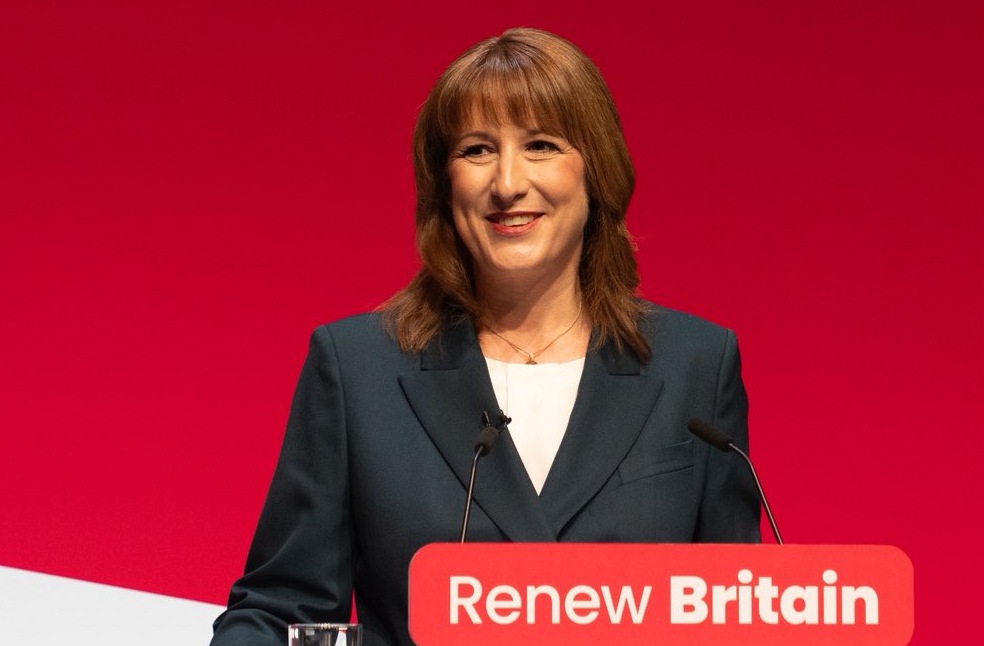
Chancellor Rachel Reeves welcomed the shift, saying that strengthening British car manufacturing aligns with the government’s Modern Industrial Strategy by securing skilled, well-paid jobs and contributing to economic growth. Reeves added that such efforts support broader national priorities: reducing debt, cutting NHS waiting lists, and easing cost-of-living pressures.
The government has declined to comment on whether eligibility criteria for Motability will change in the upcoming budget. Any adjustments would likely come from the ongoing review of PIP led by Minister Stephen Timms.
Earlier attempts to reduce the rising PIP bill were defeated by government backbenchers, prompting the launch of this review. Timms recently stated that no changes will be made to the mobility component of PIP until the review concludes in about a year.
The upcoming budget is widely expected to expand welfare spending, potentially through scrapping the two-child benefit cap. Tax increases are also anticipated, as the government seeks additional financial headroom without making cuts to departmental budgets.
MOST READ | Snap introduces bank-based age checks for Australian users
