


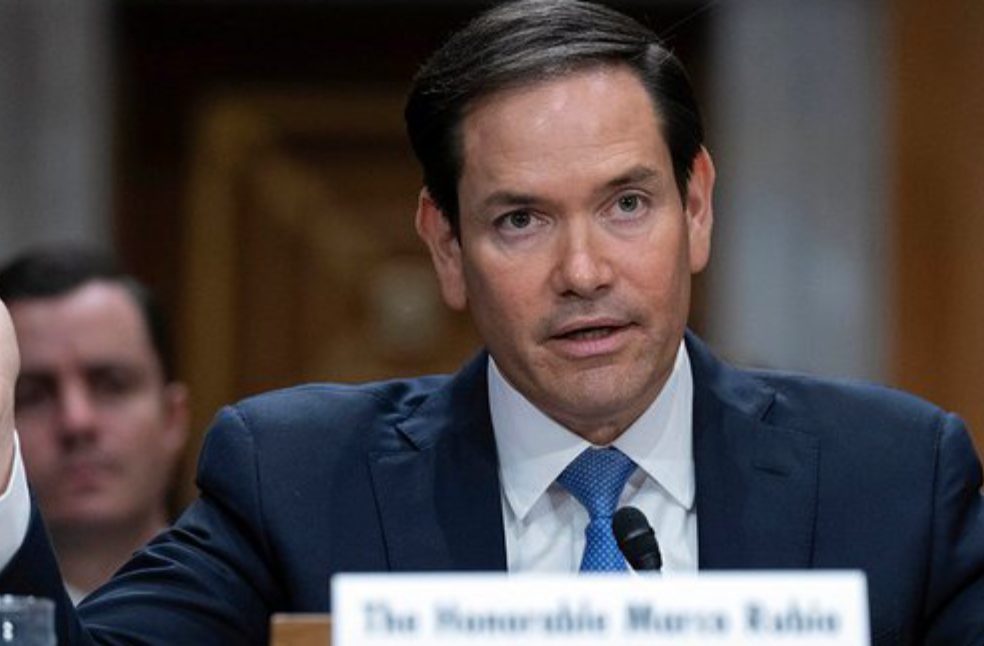
Geneva: US Secretary of State Marco Rubio has announced that negotiators have made a ‘tremendous amount of progress’ in efforts to finalise a US-proposed peace deal aimed at ending the Russia–Ukraine war.
The talks in Geneva brought together Ukrainian and European representatives, with Rubio confirming that the parties had significantly narrowed unresolved issues in the 28-point draft. Despite what he called a ‘very good day’, Rubio emphasised that more work remains. Any agreement must be personally endorsed by Ukrainian President Volodymyr Zelenskyy and US President Donald Trump before it can be sent to Moscow for consideration.
A joint statement issued later in the evening confirmed that Washington and Kyiv have now agreed on an updated and refined peace framework and will continue intensive work in the coming days to finalise a unified package.
The peace proposal was authored by the U.S.
It is offered as a strong framework for ongoing negotiations
It is based on input from the Russian side. But it is also based on previous and ongoing input from Ukraine. https://t.co/JWbAQ04kcw
— Marco Rubio (@marcorubio) November 23, 2025
Kyiv pushes back as concerns of concessions linger
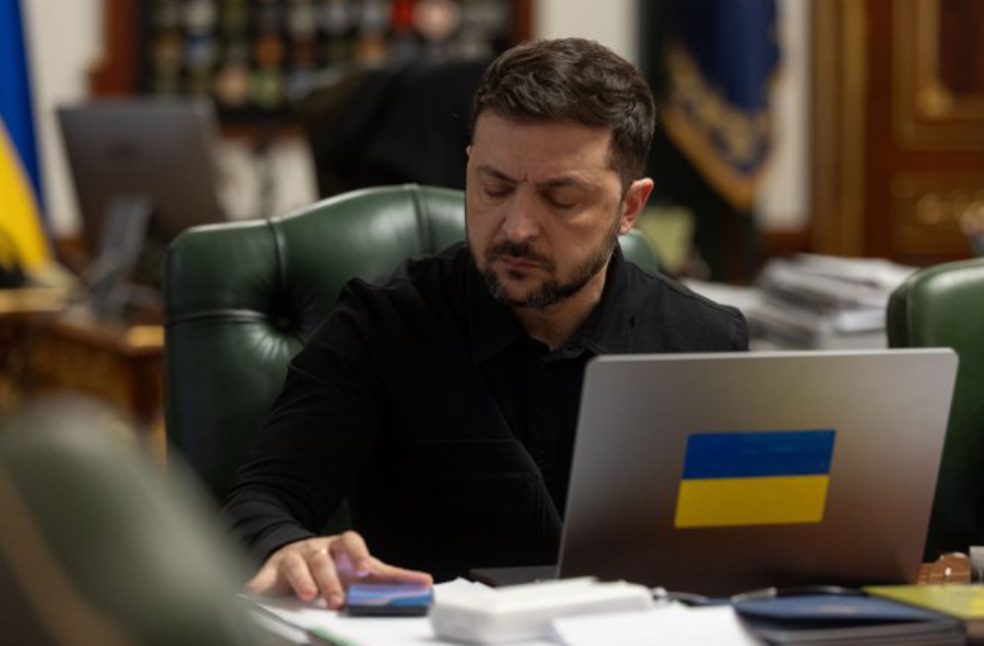
The Geneva progress follows days of anxiety in Ukraine and across Europe after leaked details of the US plan suggested provisions seen as favourable to Russia. President Zelenskyy earlier admitted that Ukraine might face a very difficult choice: either losing dignity, or risk losing a key partner, though he added over the weekend that there were signals that President Trump’s team is hearing us.
European allies reportedly circulated an alternative proposal sponsored by the UK, France and Germany, though Rubio denied knowledge of such a document.
Trump has sharply criticised Ukraine’s leaders for showing zero gratitude for American mediation efforts, also pointing out that key European allies still import Russian oil, helping Moscow finance its war.
Details of the controversial draft
The leaked US peace proposal contains provisions that mark a substantial shift in the conflict landscape. It calls for Ukraine to withdraw forces from parts of eastern Donetsk under its control and accepts de facto Russian control of Donetsk, Luhansk and Crimea.
The plan also freezes frontlines in Kherson and Zaporizhzhia along current positions. It further places a cap on the size of Ukraine’s military, limiting the armed forces to 600,000 personnel, and includes a commitment by Kyiv not to pursue NATO membership.
In return, Russia would be reintegrated into the global economy through the lifting of sanctions and potentially invited to return to the G7, reforming the G8. The document states that ‘it is expected’ that Russia will not attack neighbouring countries and that NATO will not expand further, though it provides no enforcement mechanisms.
Russia currently controls about 20 percent of Ukrainian territory and continues to make slow but steady advances along the eastern front.
Deadline disputed
Trump initially set the deadline for Ukraine to accept the offer, though he later clarified that this was not his ‘final offer’ following pushback from Kyiv’s allies in Europe, Canada and Japan.
Rubio remains optimistic that an agreement could still be reached soon, whether this week or the next, while US diplomats continue to stress that the peace plan was authored in Washington. This clarification came after US senators claimed Rubio had characterised the document as Russian. Rubio rejected that account, saying the draft was American, developed with input from both Moscow and Kyiv, a position reinforced by the State Department.
TOP PICKS | Colombia seizes 14 tonnes of cocaine in largest bust in a decade
