


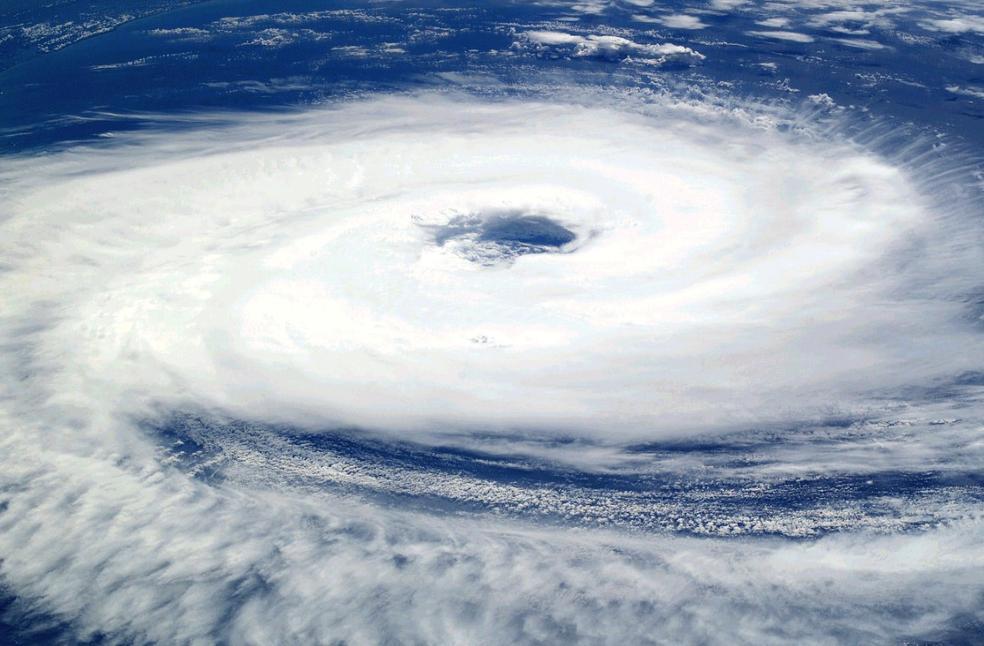
Sydney: A severe cyclone affecting Australia’s Northern Territory has left thousands of residents without electricity after the system passed through the region late on November 22.
The weather bureau has reported that Cyclone Fina, assessed as a category three system, has recorded wind gusts of up to 205 kilometres per hour as it moved away from Darwin on November 23.
For many living in Darwin, a city of about 140,000 people, the event has revived memories of Cyclone Tracy, which devastated the region on Christmas Day 1974 and caused 66 deaths. Although Fina has damaged infrastructure, flooded roads and cut power supplies, authorities have confirmed there have been no reported injuries.
Severe Tropical Cyclone Fina has intensified into a category 4 system moving south-west towards the north-east Kimberley coast.
Current: 1.31 pm ACST Sunday 23 November 2025
Latest Track Map: https://t.co/tEt0sJOHXK pic.twitter.com/Sm2cjFqlf9
— Bureau of Meteorology, Australia (@BOM_au) November 23, 2025
Chief Minister Lia Finocchiaro has said that about 19,000 residents have experienced power loss due to the cyclone. She has added that the Northern Territory had prepared collectively for the impact, and early reports have shown property damage and submerged roads across affected suburbs.
Officials have urged residents to avoid downed power lines, with emergency and utility workers beginning on-ground assessments. Darwin International Airport, closed on November to 22 as a precaution, has confirmed that it is working to resume operations once conditions allow.
Category three tropical cyclones are two levels below the most severe category and are known to cause structural damage, destroy crops and trees and disrupt power networks. According to the Bureau of Meteorology, the intensity of Fina has made these impacts consistent with expected conditions.

In March, ex-tropical cyclone Alfred affected neighbouring Queensland, leaving hundreds of thousands of residents without electricity and causing school closures. Authorities have noted that the pattern of extreme weather has placed continued pressure on regional infrastructure and emergency response systems.
Damage assessment teams across the Northern Territory will continue work throughout the week as Fina moves farther offshore and weakens. Emergency services have urged residents to monitor updates and exercise caution in areas where fallen trees and damaged lines may remain hazards.
Authorities have said that teams across the region will continue monitoring the cyclone’s offshore path as cleanup efforts expand, with emergency services focusing on restoring power, clearing debris and supporting affected communities.
RELATED POST | Cyclone Fina intensifies to Category 3 as it nears Darwin
