


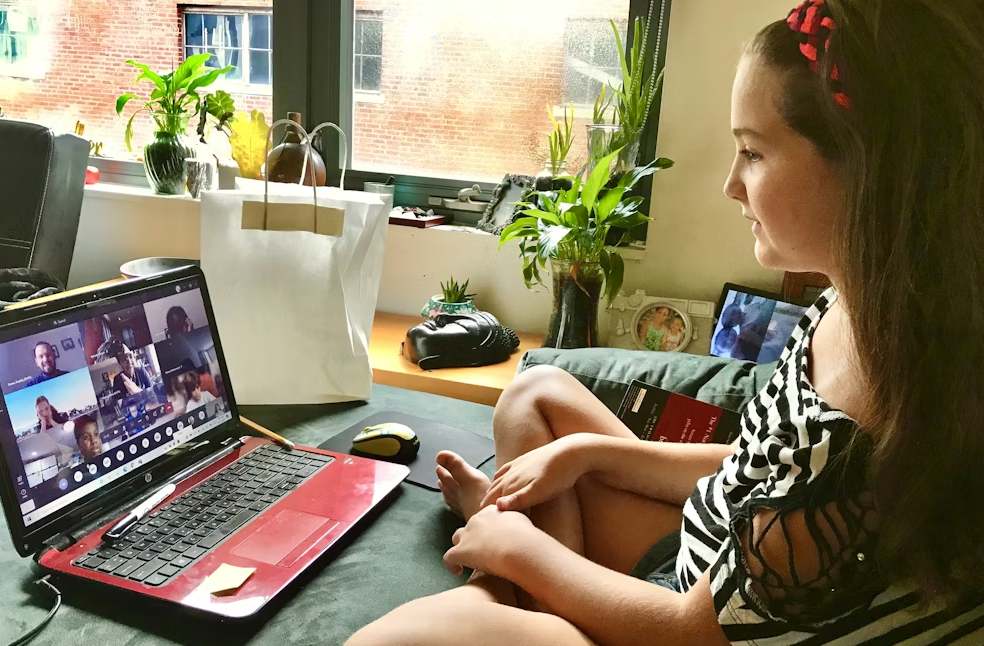
Migration has changed families in ways people don’t fully talk about. When your loved ones are scattered across countries, you learn new ways to stay close. Not because you want to, but because you have to. So you start depending on phones, video calls, and whatever app everyone knows how to use. It’s strange at first, then it becomes routine.
For many parents working abroad, the day doesn’t end when work ends. They might be exhausted, but they still open their phones at odd hours because a child wants to show a drawing or needs help with homework. Sometimes the call is only five minutes. Sometimes it’s just a voice note saying ‘I’m okay.’ But these small things become the glue that keeps the relationship steady.
Grandparents jump in too. Some of them learned video calling only because the kids begged them to. They tell stories through screens, show the plants growing in the backyard, or remind grandchildren to eat properly. And even if they only meet face-to-face once a year, the kids still feel that warmth.

A lot of families today are spread everywhere, one sibling in the Gulf, another in Europe, someone else studying miles away. Coordinating a simple call becomes a puzzle because everyone is in a different time zone. Someone is always sleepy. Someone is always rushing. Yet they still try, because that call is the only moment they all sit ‘together,’ even if they’re not.
Some everyday habits end up forming naturally:
- Sharing calendars so nobody forgets important dates
- Quick video messages from kids about school or life updates
- Festivals celebrated with multiple phones propped up on tables
It’s not the kind of family time people grew up imagining, but it’s what works now.

Still, no matter how good the technology is, it can’t replace being there. Families miss the simple things: walking together, eating together, the chaos of a full house. Missing birthdays hurts. Missing milestones hurts even more. But most families also know that migration, for all its sacrifices, brings stability and opportunities they couldn’t find at home.
This is the reality for so many households today. Long-distance love. Long-distance parenting. Long-distance everything. And somehow, people make it work. Maybe not perfectly, but with a lot of heart.
IMPORTANT | Study finds that blood test may flag disease years earlier
