


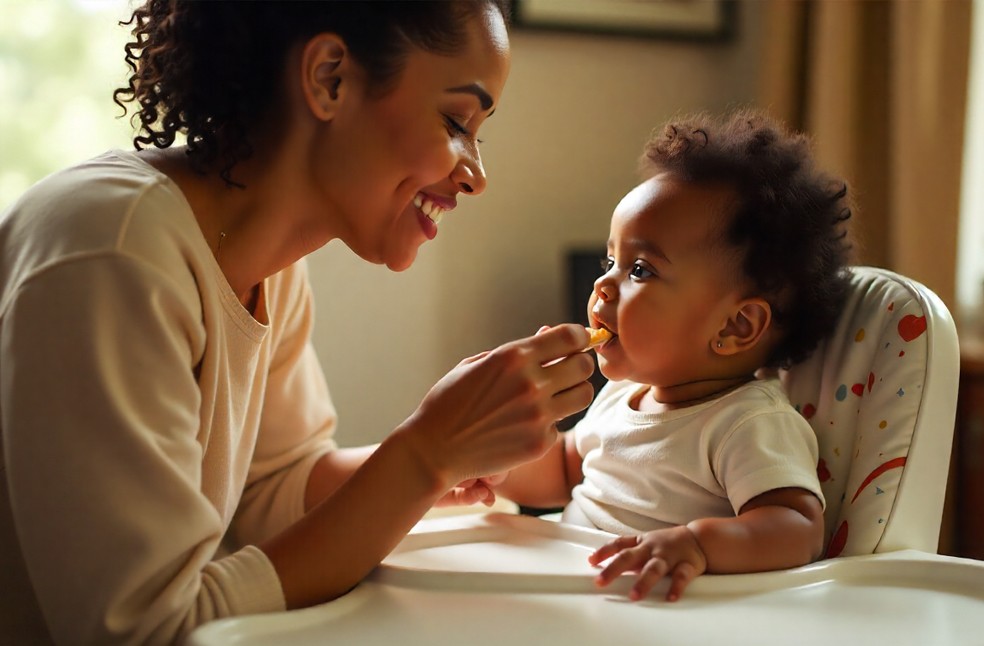
Nairobi: Nestlé continues to add sugar to most of the baby cereals it sells across Africa, according to a new investigation by campaigners who claim the company is ‘putting the health of African babies at risk for profit.’
The findings have led to accusations of ‘double standards,’ especially as childhood obesity rates rise across the continent, intensifying calls for Nestlé to remove added sugar from all its baby-food products.
The investigation was conducted by Public Eye, a Swiss global justice organisation. Nestlé rejected the report as ‘misleading.’ A company spokesperson argued that mildly sweet cereals are necessary to ensure infants accept the products, which they say is critical in addressing malnutrition. Nestlé also insisted that its baby cereal recipes follow national regulations in all affected countries.
Public Eye worked with campaigners in more than 20 African countries to purchase 94 Cerelac products designed for babies aged six months and older. The products were sent to a laboratory, which found that over 90 percent contained added sugar, averaging 6g, equivalent to one-and-a-half teaspoons, per serving.

Researchers noted that most sugar-free Cerelac variants were imported products originally intended for European markets, with the exception of two recently released variants in South Africa.
The investigation found added sugar levels ranging from around 5g per serving in Egypt, Madagascar, South Africa, Malawi, and Nigeria, up to 7.5g in a product sold in Kenya. WHO guidelines for foods intended for children under three state that they should contain ‘no added sugars or sweetening agents,’ partly to prevent children from developing long-term cravings for sugary foods.
A previous Public Eye investigation in April 2024 revealed that Nestlé added sugar and honey to baby cereals and infant milk products sold in Asia, Africa, and Latin America, even though the same products in wealthier countries contained no added sugar.
In a letter to Nestlé CEO Philipp Navratil, 12 African civil society and consumer groups accused the company of knowingly providing ‘less healthy options’ to African families, and stated that, “You know how to do things differently. But you made a deliberate decision to feed children in Africa with less healthy options.”
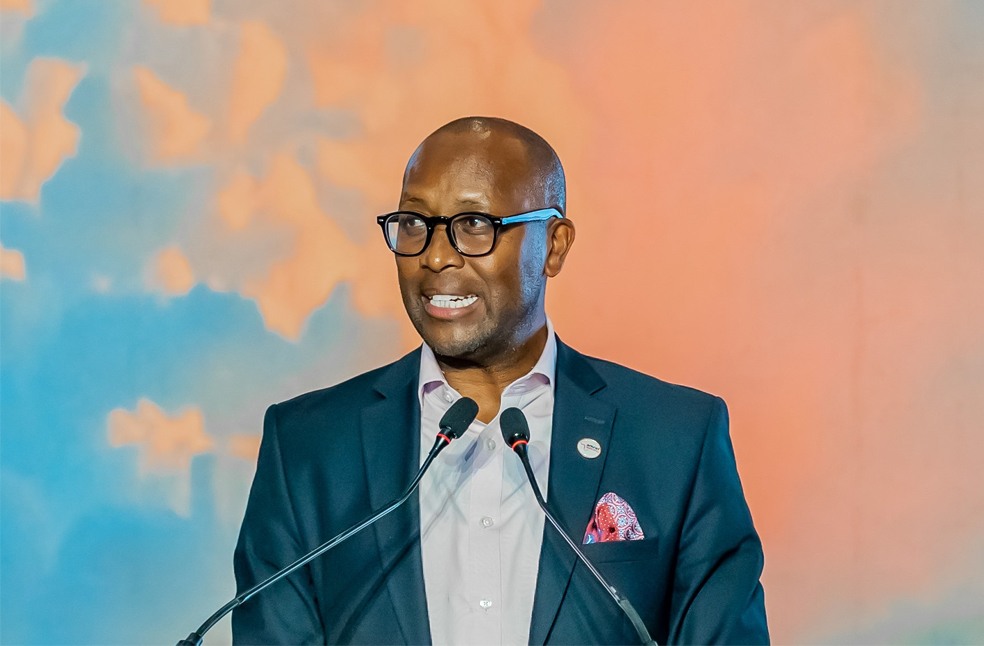
The article also references a separate warning from Dr. Githinji Gitahi, Group CEO of Amref Health Africa, who told the Global NCD Alliance Forum in Kigali, Rwanda, in February 2025 that Africa’s medical system risks ‘collapse in the next few years.’ Campaigners say Nestlé’s sugary baby foods contribute to a growing epidemic of preventable, diet-related non-communicable diseases across the continent.
After Public Eye’s 2024 investigation, Nestlé announced its ambition to introduce sugar-free Cerelac variants in all global markets. However, campaigners called this response ‘too little, too late,’ emphasising that “by adding sugar to infant cereals, Nestlé is putting the health of African babies at risk for profit. They accused the company of contributing to a “preventable public health catastrophe.”
In response, Peggy Diby, Global Head of Corporate Affairs at Nestlé Nutrition, called the allegations ‘unfounded’ and insisted that the company does not operate with double standards. Nestlé had rolled out 14 no-added-sugar Cerelac products in India over the past year and was accelerating similar launches in African countries.
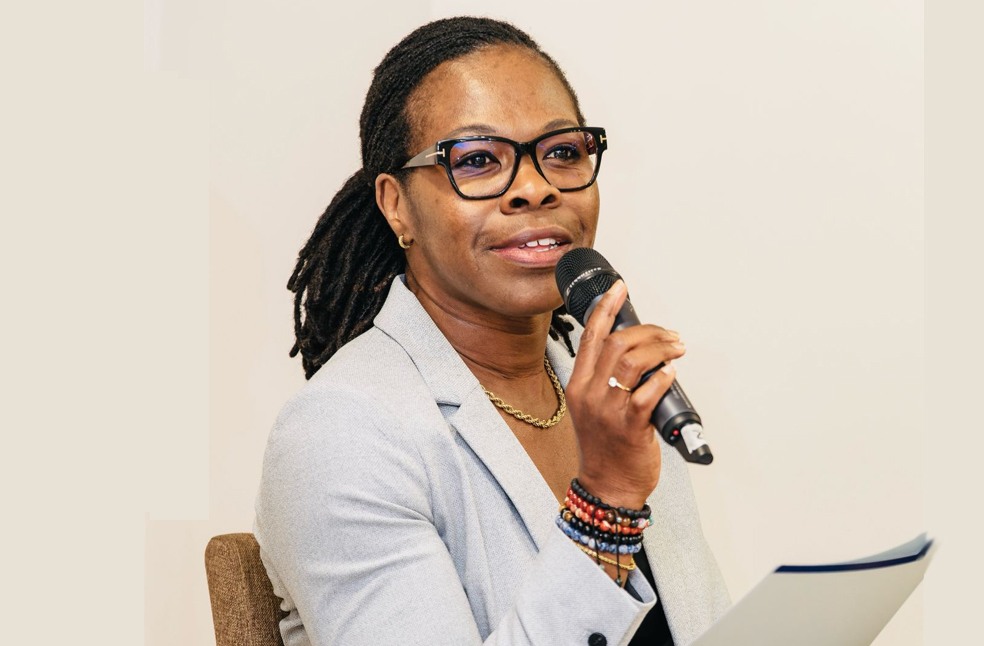
Diby added that Public Eye refused to share the details behind its testing methods. The reported sugar quantities claim they may have included natural sugars found in milk, grains, and fruits. Nestlé’s sugar levels remain ‘well below’ the standards established in the WHO and FAO’s Codex Alimentarius for food safety and quality.
Dr. Sara Colombo Mottaz, global head of medical, regulatory, and scientific affairs at Nestlé Nutrition, said that fortified baby cereals are essential for delivering micronutrients. She added that Nestlé uses internal ‘guardrails’ to keep added sugar levels within a controlled range.
Dr. Mottaz explained that babies are accustomed to sweetness from the womb or through breastfeeding, and may reject foods lacking sweetness. Ensuring infants accept solid foods is crucial. “Children at the age of six months can refuse to eat, and if they refuse to eat, they will not be able to grow properly.”
ALSO READ | Scotland assures rape victims of protection after court ruling
