



Edinburgh: Scotland’s top prosecutor, Lord Advocate Dorothy Bain KC, has issued a strong reassurance to survivors of rape and sexual abuse following a landmark UK Supreme Court ruling that raised concerns about how Scottish courts handle evidence in sexual offence trials.
Bain emphasised that victims will continue to receive full protection when giving evidence, despite the court’s warning that Scotland’s existing ‘rape shield’ laws, designed to prevent invasive questioning about a complainant’s sexual history or character, may risk infringing defendants’ rights to a fair trial.
In a firm statement, Bain stressed that, “Sexual abuse committed against women and children remains the most significant challenge for our justice system.” Lord added that survivors must feel safe to come forward without fear of additional trauma, clarifying that the Supreme Court’s ruling “does not alter the statutory protections for those giving evidence.”
The Supreme Court ruling, delivered in the appeals of two men convicted of rape in Scottish courts, dismissed both appeals but stated that Scotland must revise how its courts admit evidence in sexual offence cases. The judges found that the current framework ‘is liable to result in violations of defendants’ rights to a fair trial under article 6 of the convention.”
Victims’ welfare
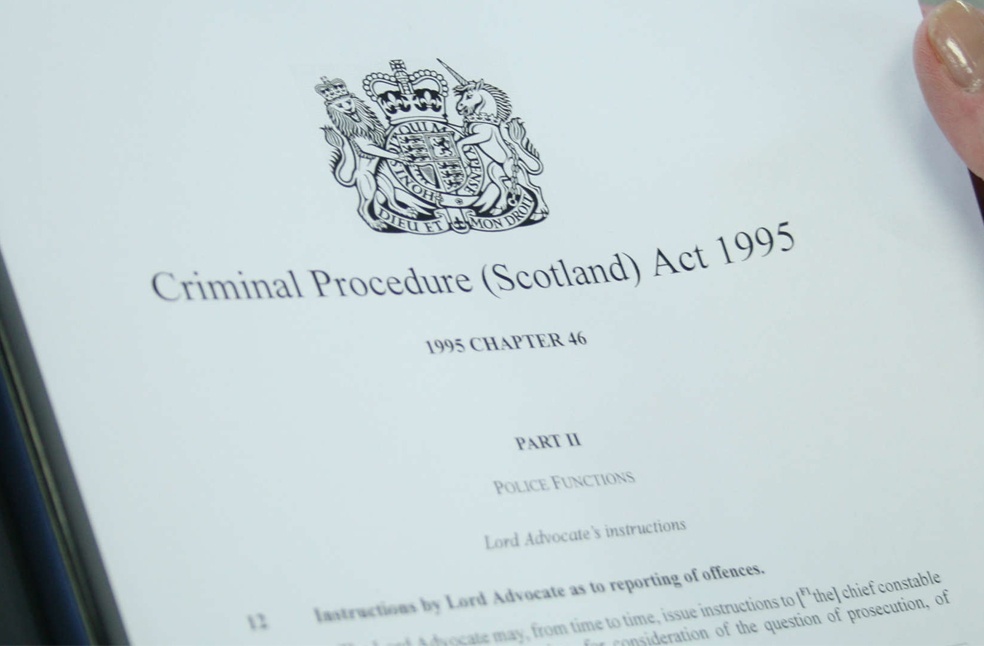
At the centre of the ruling are sections 274 and 275 of the Criminal Procedure (Scotland) Act 1995, commonly known as rape shield provisions. While meant to prevent humiliating or irrelevant questions, lawyers have increasingly argued that their current interpretation has narrowed the scope of admissible evidence to the point of creating inconsistencies or preventing accused men from properly presenting a defence.
Bain redirected the conversation to victims’ welfare, affirming that existing protections “remain firmly in place to protect the dignity, privacy and wellbeing of victims.” The Lord noted that the court also highlighted that any intrusion into a complainer’s private life should go only as far as necessary to safeguard the fairness of a trial.
The ruling has triggered concerns of widespread disruption, including warnings that active sexual offence cases may face uncertainty and that the judgment could unleash a surge of appeals.
During a public discussion hosted by the Scottish Association for the Study of Offending shortly after the ruling, senior defence lawyer Thomas Ross KC suggested that Holyrood consider appointing an eminent human rights expert, such as retired Supreme Court President Lady Hale, to oversee miscarriage of justice referrals.
Ross predicted, however, that rejected appeals would likely return to the Scottish Criminal Cases Review Commission (SCCRC), potentially overwhelming it, leading to years of delays and political hope that public attention fades.
Meanwhile, Katrina Parkes, legal director at Scotland’s Crown Office, clarified that the judgment does not automatically undermine past convictions. Any appeals stemming from it would be handled “case-by-case through established review processes.”
Sandy Brindley, chief executive of Rape Crisis Scotland, warned last week that the ruling could mark ‘a real step backwards,’ noting that the fear of having a sexual history scrutinised in court could deter women from reporting assaults. She voiced serious concerns about its long-term impact on victims’ trust in Scotland’s justice system.
This development follows the Scottish parliament’s recent decision to abolish the ‘not proven’ verdict, long criticised for contributing to Scotland’s comparatively low conviction rates for rape and sexual assault. The reform is part of a broader legislative effort aimed at building a justice system that better supports and prioritises victims and witnesses.
MOST READ | Modi-led coalition secures historic landslide in Bihar
