


Tokyo: Japanese tourism-linked and retail stocks have dropped sharply after China warned its citizens against travelling to Japan, escalating tensions between Tokyo and Beijing as both sides remain at odds over Taiwan.
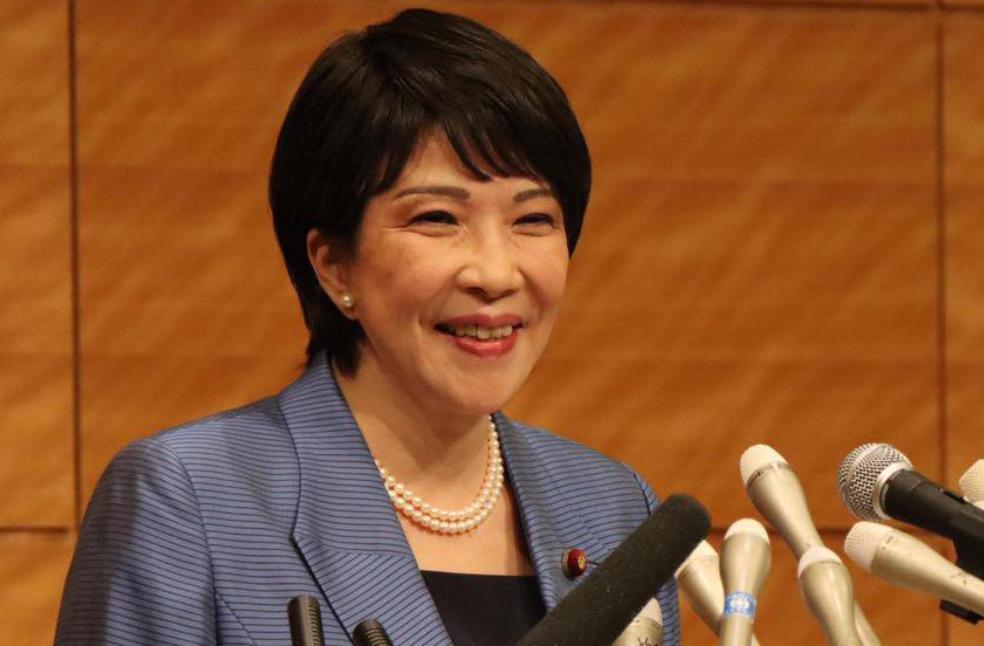
Prime Minister Sanae Takaichi, known for her tough stance on China, recently indicated that Japan could consider military action if Beijing launched an attack on Taiwan. Her remarks, made earlier this month in parliament, have intensified diplomatic friction between the two countries.
Department store operators were among the biggest losers. The parent company of Mitsukoshi and Isetan plunged more than 10 percent, while shares of Shiseido and other major retail brands also fell sharply.
- Takashimaya and Fast Retailing, the owner of Uniqlo, dropped more than 5 percent.
- Carriers Japan Airlines (JAL) and ANA Holdings also traded lower.
- Oriental Land, operator of Tokyo Disney Resort, fell around 5 percent.
The market reaction reflects concerns over a significant downturn in inbound tourism. China has long been one of Japan’s most important sources of visitors and spending.
The downturn follows a series of Chinese government advisories. Beijing urged its citizens to reconsider studying in Japan, citing ‘safety risks’ and growing crimes allegedly targeting Chinese nationals. The Education Ministry also asked students already in Japan to closely follow local security updates.
According to Japanese government data, more than 100,000 Chinese students were enrolled in Japanese institutions last year. Chinese airlines including China Southern, China Eastern, and Air China have also begun offering refunds for travel to Japan, adding further pressure on a sector heavily reliant on tourism from China.
Deepening diplomatic rift over Taiwan
Tensions have grown following PM Takaichi’s remark on November 7 that any use of force by China could constitute a survival-threatening situation under Japan’s security laws. This designation would legally allow Japan’s Self-Defence Forces to act if an attack on an ally posed an existential threat.
Taiwan sits just over 100km south of Japan’s nearest island, underscoring strategic concerns in Tokyo. Chinese and Japanese officials are expected to meet for talks in an attempt to ease tensions. However, Japan’s chief cabinet secretary Minoru Kihara said Beijing’s recent actions are not in line with the broader direction agreed by leaders to build a more stable, mutually beneficial relationship.
Taiwan at the centre of regional friction
China considers Taiwan a breakaway province and has not ruled out force to bring it under its control. Most people in Taiwan, however, see themselves as part of a separate nation, though they favour maintaining the current status quo rather than declaring independence or reunification.
MOST READ | Youth-led march turns violent near Mexico’s National Palace
