


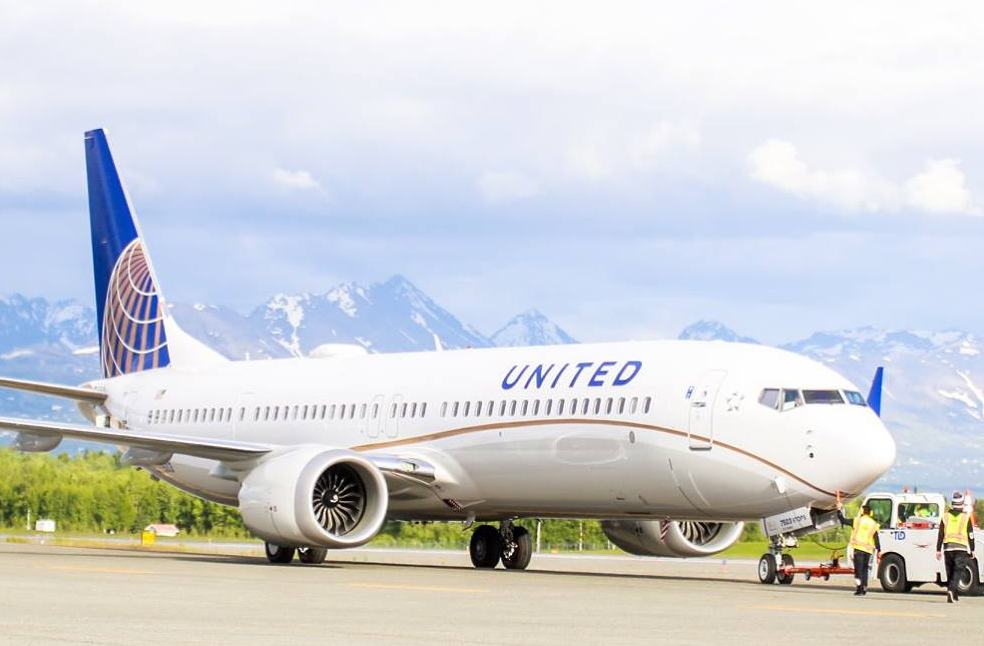
Washington: US flights have been placed back on track for normal operations after the Federal Aviation Administration (FAA) confirmed the end of limits introduced during the prolonged government shutdown.
The aviation authority has stated that airlines can resume regular schedules from 6am Eastern Time on November 17, signalling a return to stability across major airports.
The FAA has introduced the earlier restrictions at 40 key airports to maintain safety as staffing shortages emerged during the shutdown. Reports of fatigue among air traffic controllers and a rise in absences had prompted the authority to order cuts in flight numbers.
These measures have resulted in thousands of cancellations and widespread delays across the United States, disrupting travel plans and placing pressure on carriers. Operations have been improving since United States President Donald Trump signed a bill to restore government funding, ending a six-week political impasse between Republicans and Democrats.
According to the FAA, staffing triggers, incidents where controller levels fall below safe thresholds, have seen a significant drop. The authority has confirmed that triggers have fallen from 81 on November 8 to six on Friday, eight on Saturday and only one on Sunday, reflecting a more stable workforce.
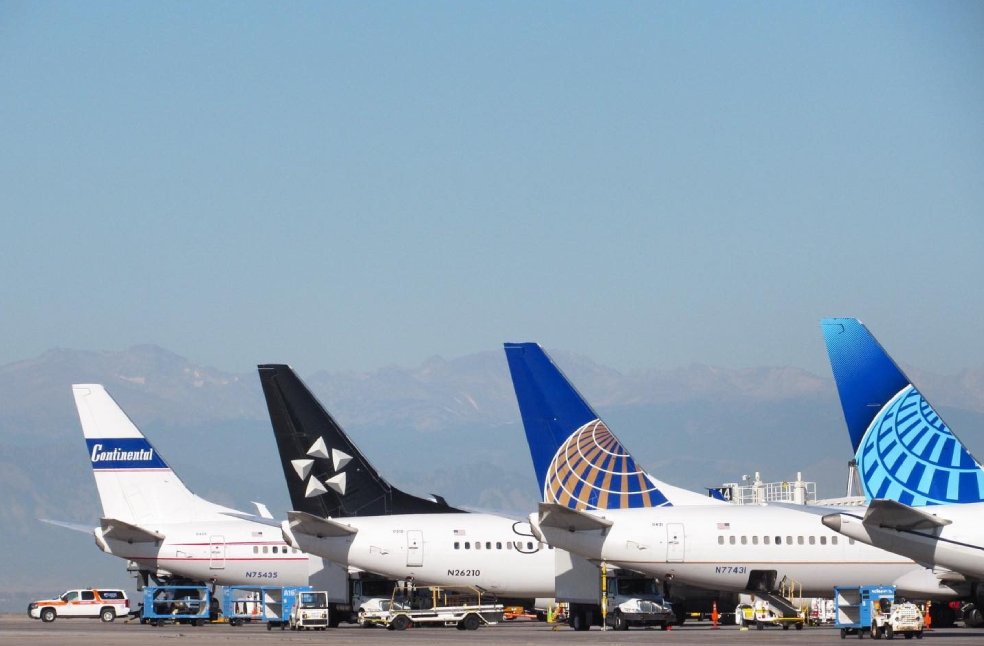
As part of the restrictions, the aviation authority had instructed airlines to reduce flights by 4 percent by November 7 and by 6 percent by November 10. Officials then eased the limits to 3 percent as staffing conditions continued to improve.
The FAA has also indicated that it has been reviewing compliance after reports suggesting some carriers had not fully adhered to the emergency order.
FlightAware data has shown that just 149 flights have been cancelled on November 16, well below the cut required under the FAA’s temporary measures. With staffing concerns stabilising and operational confidence restored, the aviation authority has confirmed that full schedules can now return.
The adjustment marks a significant shift after weeks of operational strain across the aviation sector. Airlines have faced substantial logistical challenges while working within the enforced reductions. The lifting of restrictions has provided clarity and is expected to restore confidence among carriers preparing for normal operations.
The FAA has underscored that operational safety remains the primary priority as services resume. The authority has continued to assess workforce levels and performance indicators to ensure that air traffic control operations remain stable in the period ahead.
RELATED POST | US flight delays worsen as shutdown hits air traffic control
