


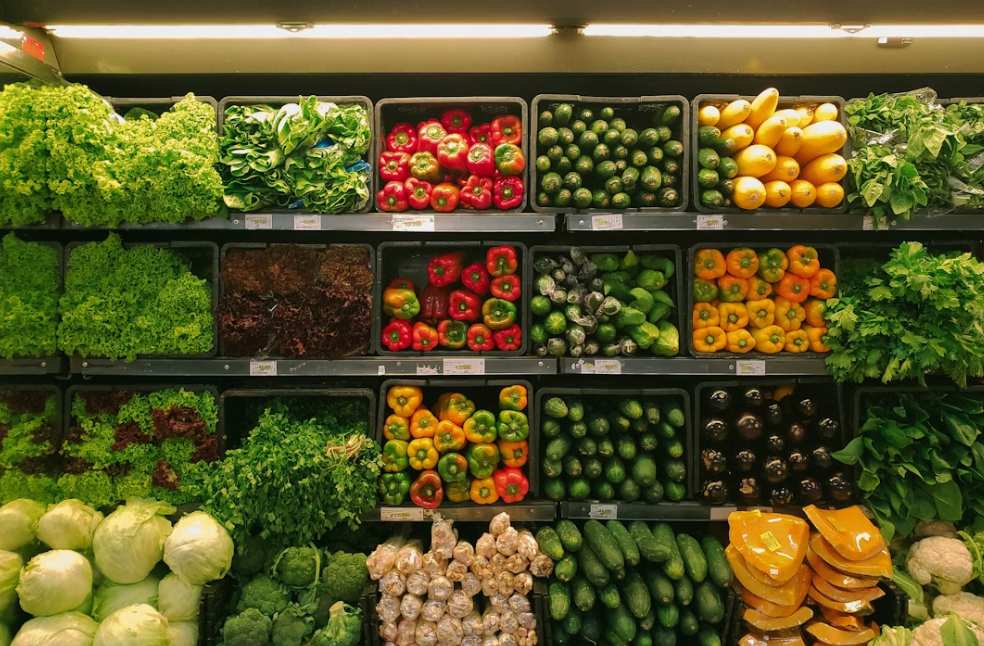
Washington: The tariff policy has taken a significant turn as the administration has signed an executive order removing levies on more than 100 imported food products.
The decision has been presented as a response to increasing public concern over the cost of groceries, which has remained a key political and economic issue across the United States.
The tariff rollback has covered major consumer staples such as coffee, bananas, beef, coconuts, tomatoes, mangoes and other items that the White House has stated cannot be produced in sufficient quantities domestically.
The administration has previously maintained that broad import tariffs, including the baseline 10 percent levy, would not substantially raise prices for consumers. However, the growing focus on affordability has pushed the government to take action to ease pressures on households.
Concerns over rising grocery costs and escalating beef prices have shaped much of the administration’s recent messaging. Last week, an investigation into meat-packing companies was proposed, with allegations of ‘illicit collusion, price fixing, and price manipulation’ being raised.
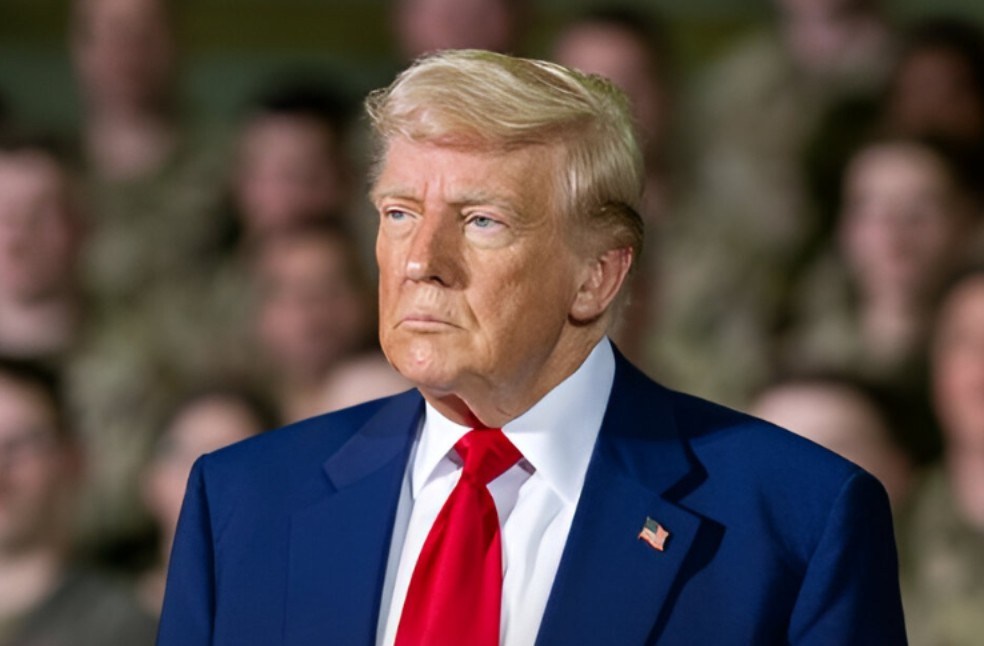
The tariff debate has also been influenced by the ongoing Supreme Court assessment of whether the administration has had the legal authority to implement such measures, particularly with reference to proposed rebate cheques worth USD 2,000.
The new exemptions have demonstrated a notable shift, as the government seeks to reduce inflationary strain by walking back duties on essential imported food items.
The White House has stated that the adjusted tariff structure will apply to goods not produced within the United States, meaning no domestic industry is affected by the rollback. The decision has been described as a targeted approach that is unlikely to require further policy reversals.
The updated tariff exemptions came into effect retroactively at midnight on November 13. In an additional measure intended to support consumers, the administration has announced plans to reduce tariffs on coffee and bananas through new trade arrangements with four Latin American nations. Treasury Secretary Scott Bessent has stated that coffee prices are intended to fall by 20 percent this year.
The list of exempted items has included coffee, cocoa, black and green tea, vanilla beans, multiple beef categories, a wide range of fruits such as avocados, pineapples, oranges, plantains and pepper varieties, along with spices, nuts, grains and seeds. The policy shift has marked one of the most substantial tariff adjustments undertaken in the administration’s current term.
DON’T MISS | Delhi explosion confirmed as terror act by government
