


Havana, Cuba: Cuba is grappling with a major public health emergency as mosquito-borne diseases surge across the island, with the nation’s top epidemiologist warning that almost one-third of Cubans have been affected, and large numbers of workers are falling ill.
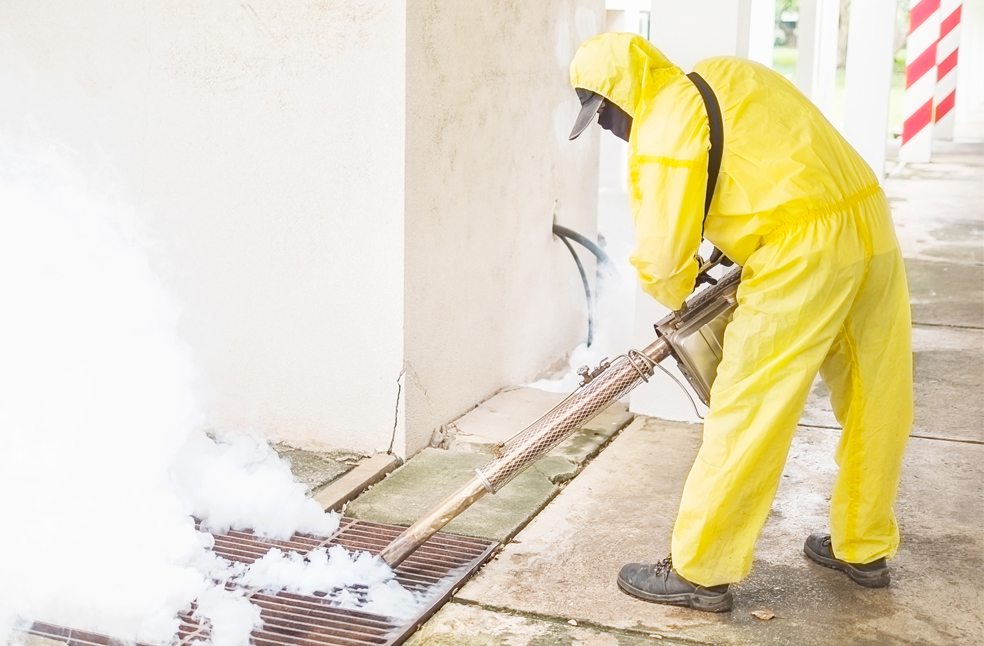
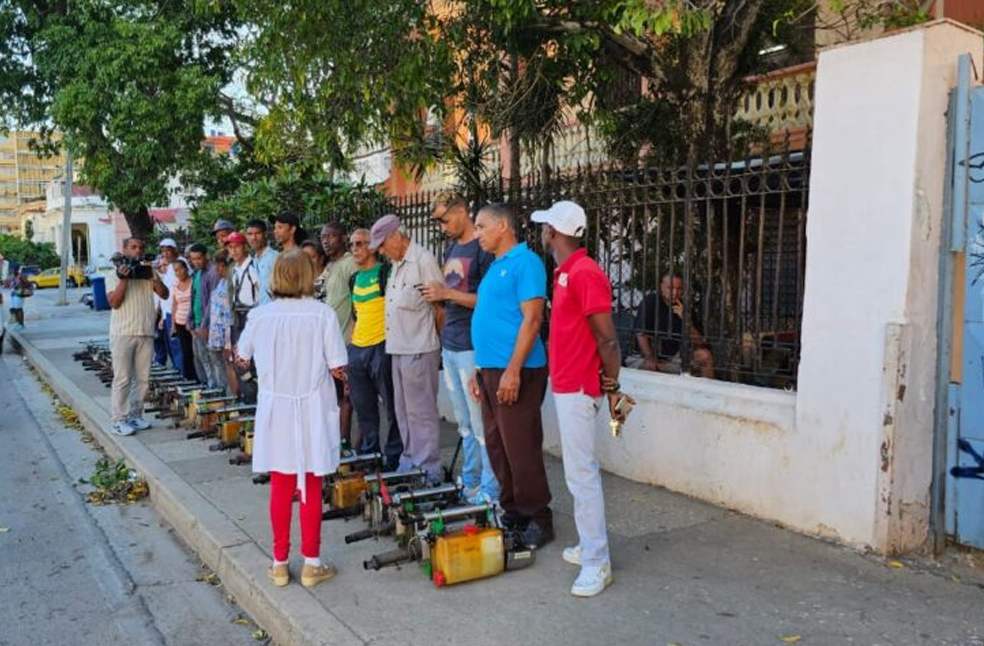
Fumigation teams have moved through Havana’s tightly packed neighbourhoods, among the most heavily impacted areas, saturating streets and apartment blocks with insecticide to curb the spread of dengue, chikungunya, and other mosquito-driven infections.
Francisco Durán, the national director of epidemiology at the Ministry of Public Health, described the situation as ‘acute,’ noting that Cuban health authorities are responding with intense efforts similar to those deployed during the COVID-19 pandemic.
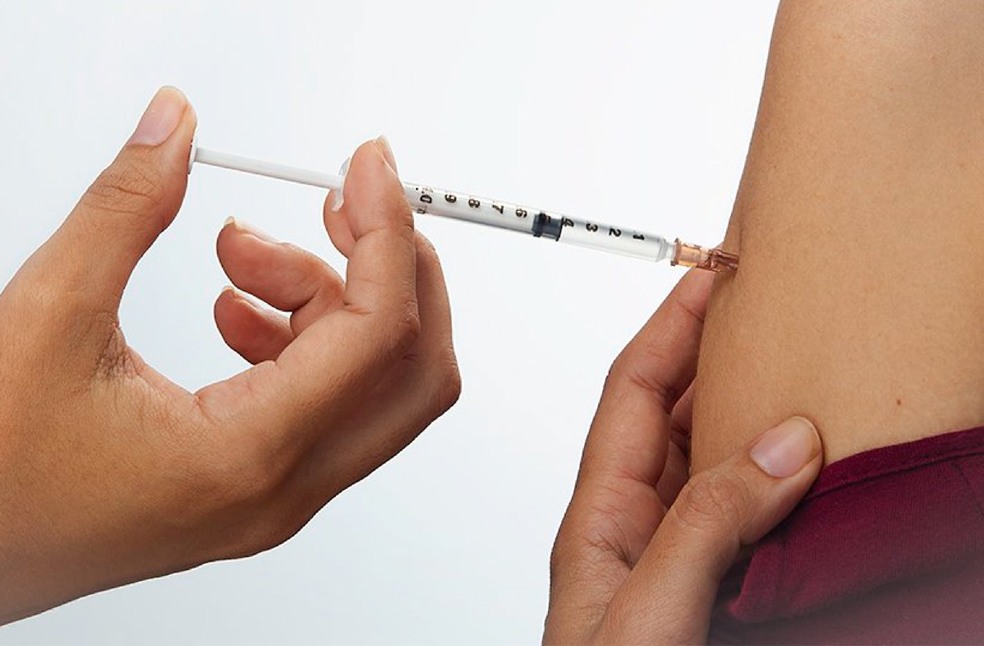
Durán said that researchers are currently working on developing medications and vaccines to reduce the effects of these rapidly spreading viruses.
Dengue fever, a long-standing health burden in Cuba, has escalated significantly as the island’s economic turmoil limits the government’s capacity to fumigate effectively, remove garbage, and fix leaking pipes, conditions that allow mosquitoes to thrive.
The chikungunya virus, previously rare in Cuba, has also expanded quickly in recent months. It causes symptoms such as intense headaches, rashes, and severe joint pain that can persist for months, often resulting in long-term disability. There is currently no specific treatment for chikungunya, which is spread by the Aedes mosquito, the same species responsible for dengue and Zika.
To address the crisis, Cuban health authorities are conducting two clinical trials evaluating the use of the injectable drug Jusviza, which targets hyperinflammation, as a potential chikungunya treatment.
Another study is assessing the effectiveness of rectal ozone therapy in treating joint pain that remains after the acute phase of the illness. This therapy involves administering ozone gas rectally.
Globally, chikungunya outbreaks have infected nearly 340,000 people so far in 2025 across at least 16 countries, resulting in 145 deaths, according to the European Centre for Disease Prevention and Control (ECDC). In July, the World Health Organization issued an urgent global call for action to prevent another widespread epidemic.
Cuba’s healthcare system, once regarded as one of Latin America’s strongest, continues to struggle under decades of economic embargo imposed by the United States, intended to pressure Havana’s communist-led government to undertake political and economic reforms. As a result, Cubans routinely endure severe shortages of fuel, food, and essential medicines, leaving many without the means to buy mosquito repellent.
The situation is compounded by frequent power outages, forcing people to open windows and doors in sweltering heat. This allows more mosquitoes into homes, further accelerating the spread of disease.
Cuban Foreign Minister Bruno Rodríguez condemned the US embargo in late October, calling it a ‘policy of collective punishment’ that violates the human rights of Cubans without distinction. His comments came as the United Nations General Assembly voted overwhelmingly, for the 33rd consecutive year, to demand an end to Washington’s sanctions.
MOST READ | Online Grooming crimes in UK double; NSPCC reports
