


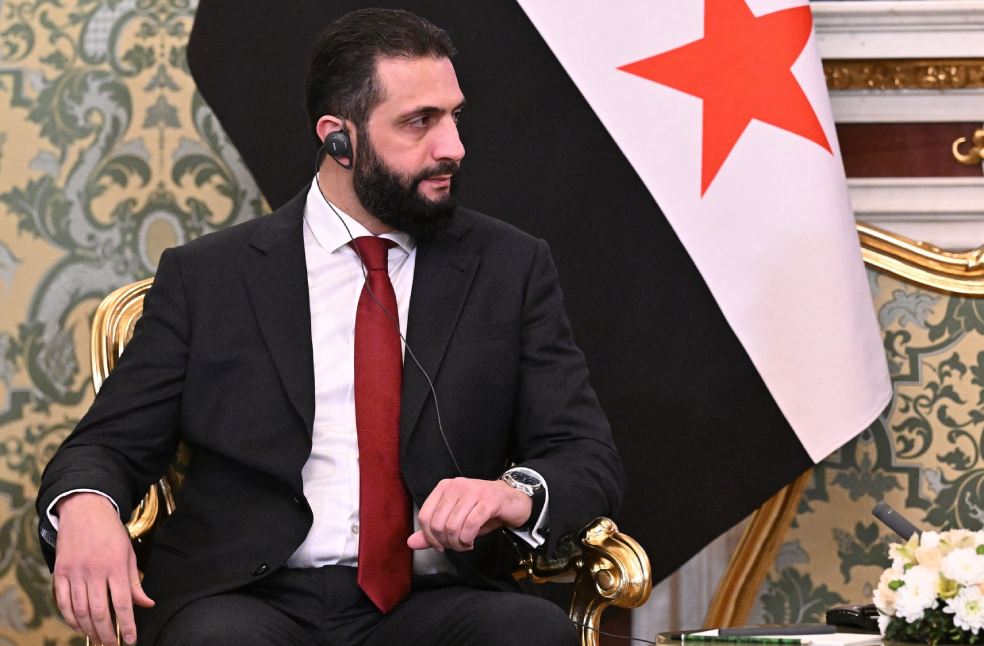
Washington: Syria’s President Ahmed al-Sharaa will meet US President Donald Trump at the White House, marking the first official visit by a Syrian leader to Washington since the country’s independence in 1946.
The talks are expected to centre on Sharaa’s push for the full removal of US sanctions that have crippled Syria’s economy during and after its 13-year civil war. Sharaa’s government argues the restrictions, particularly those imposed under the Caesar Syria Civilian Protection Act of 2019, are no longer justified following the fall of Bashar al-Assad’s regime last year.
Sharaa, who led the Islamist rebel forces that toppled Assad, has been steadily rebuilding diplomatic relations with Washington. His media adviser, Ahmad Zeidan, told Al Arabiya that repealing the Caesar Act was the foremost goal of the visit.
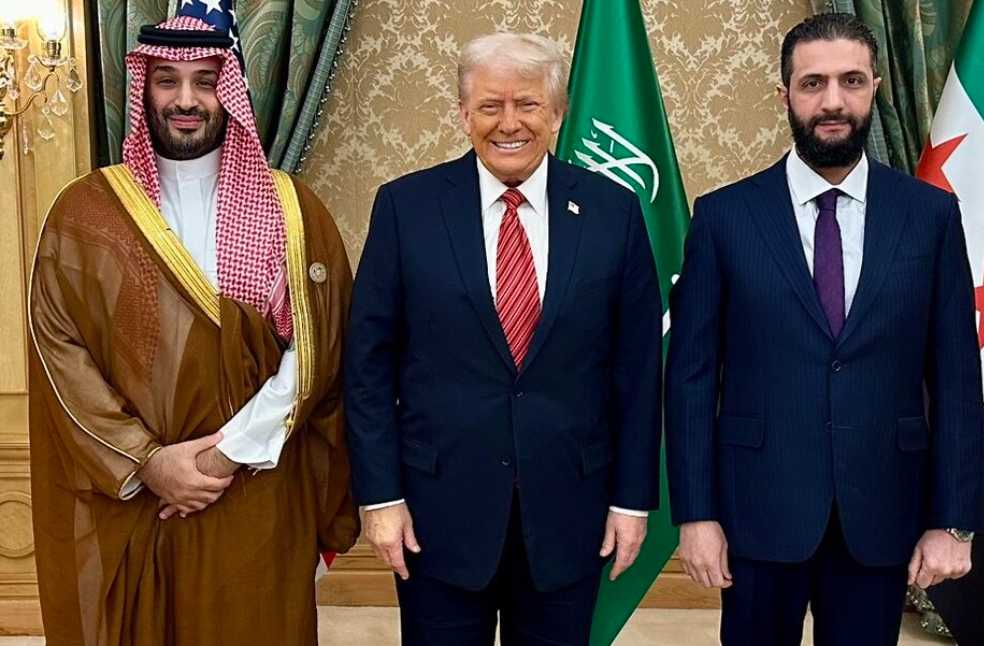
Trump and Sharaa previously met in May last year on the sidelines of a Gulf Cooperation Council summit in Riyadh, after which Trump ordered the lifting of most sanctions on Syria in a significant policy shift. However, the Caesar Act remains in force, requiring congressional approval for repeal.
Once a militant commander with a $10 million US bounty on his head, Sharaa rose to power after leading the Hayat Tahrir al-Sham (HTS) group to overthrow Assad. In September, he became the first Syrian president in decades to address the UN General Assembly, and last week the UN Security Council, with US backing, voted to lift international sanctions against him.
Sharaa has since pledged to rebuild Syria’s shattered economy, estimated by the World Bank to need at least $216 billion for recovery. The US State Department officially removed Sharaa from its terrorism blacklist, paving the way for his government to join the US-led coalition against the Islamic State group. Washington has cited significant progress by Syria’s new leadership, including efforts to locate missing Americans and dismantle chemical weapons stockpiles.
State Department spokesperson Tommy Pigott stated that, “These actions are being taken in recognition of the progress demonstrated by the Syrian leadership after the departure of Bashar al-Assad and more than 50 years of repression under the Assad regime.”
Despite the warming ties, Israel has voiced opposition to a complete lifting of sanctions, warning that such a move could weaken Washington’s leverage over Damascus. Nonetheless, Trump has expressed optimism that Syria and Israel could one day normalise relations, even as the two nations remain technically at war over the Golan Heights.
The White House meeting is expected to signal a potential new chapter in US–Syria relations, one that could reshape the region’s post-conflict political and economic landscape.
MOST READ | China lifts export controls on car chips; Easing global supply fears
