


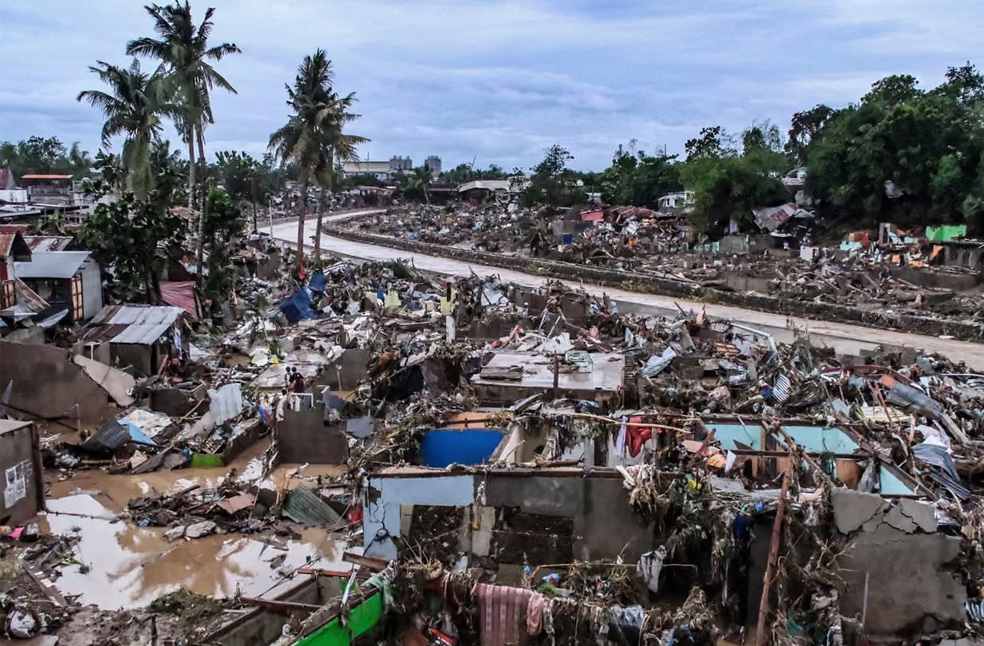
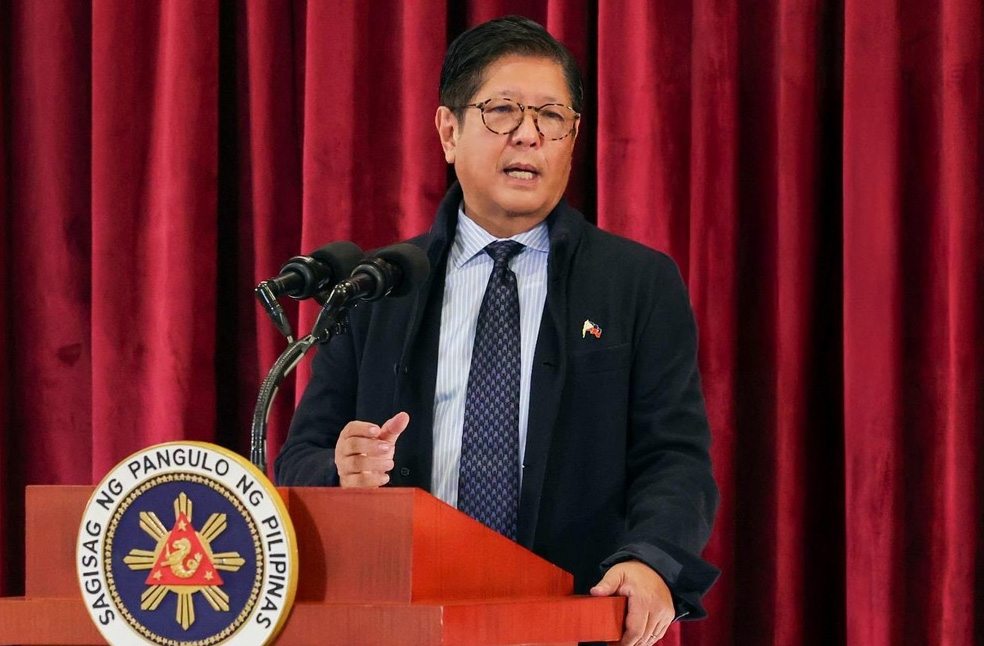
Manila: President Ferdinand Marcos Jr. has declared a state of national emergency in the Philippines after Typhoon Kalmaegi devastated central provinces, leaving at least 114 people dead and nearly 130 missing, marking the deadliest natural disaster to hit the nation this year.
Most fatalities resulted from flash floods and drowning, with Cebu province suffering the heaviest losses: 71 deaths, 65 missing, and 69 injured, according to the Office of Civil Defence. The typhoon Kalmaegi, which has now moved into the South China Sea, affected nearly 2 million people and displaced over 560,000 residents, including 450,000 evacuated to temporary shelters.
President Marcos’s declaration, made during a meeting with disaster-response officials, will accelerate the release of emergency funds and help curb food hoarding and price inflation amid the crisis. Officials also warned that another tropical cyclone forming over the Pacific could intensify into a super typhoon and threaten northern regions early next week.
The military confirmed that six air force personnel died in a helicopter crash in Agusan del Sur while en route to deliver aid to storm-hit areas, though the cause remains unknown.
In Cebu, rivers overflowed, and flash floods engulfed neighborhoods, forcing residents to climb onto rooftops to await rescue. Governor Pamela Baricuatro said that despite preparedness measures, ‘unexpected flash floods’ and poor flood control infrastructure worsened the situation, pointing to quarrying activities and substandard projects that clogged rivers.
The province was still reeling from a 6.9-magnitude earthquake in September that killed 79 people and displaced thousands. Meanwhile, ferries and fishing boats were grounded, 3,500 passengers were stranded, and 186 domestic flights were canceled due to rough seas.
The Philippines, struck by an average of 20 typhoons annually, continues to face multiple natural hazards, including earthquakes and volcanic eruptions, making it one of the world’s most disaster-prone countries.
MOST READ | Reddit, Kick added to Australia’s social media ban for teens
