


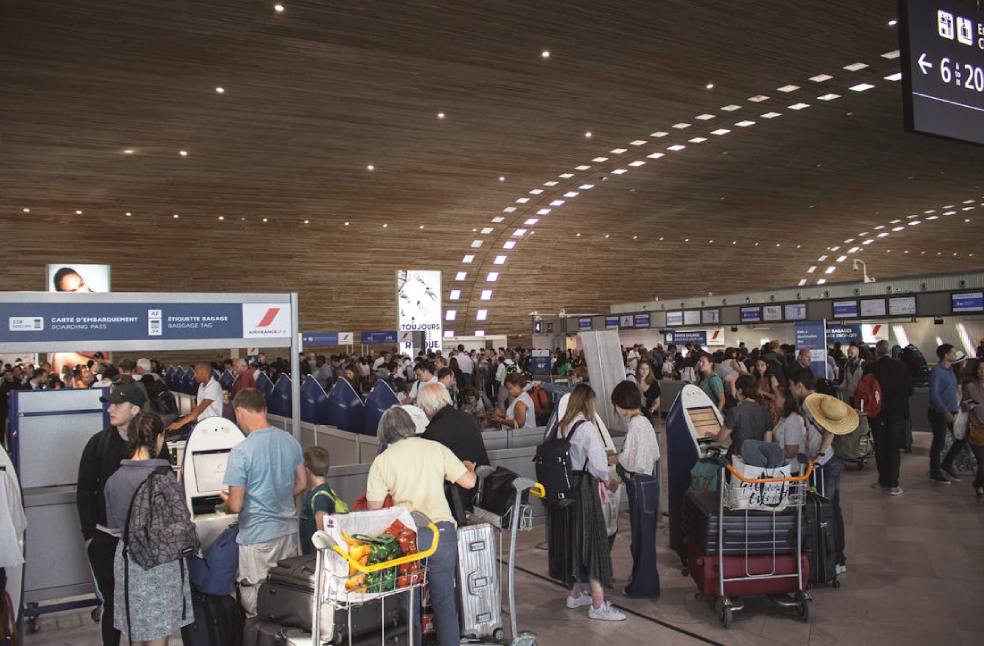
Washington: The Federal Aviation Administration (FAA) has stated that major airports in the United States have been hit by significant delays and cancellations due to widespread absences among air traffic controllers.
The situation has been described as a result of ‘immense stress and fatigue’ from the ongoing US government shutdown, which has become the longest in the nation’s history.
More than 16,700 flights have been delayed and 2,282 cancelled between October 31 and November 2, according to FlightAware, a US-based flight tracking platform. The disruptions have continued into November 3 evening across major hubs such as Chicago O’Hare, Dallas Fort Worth, Denver, and Newark, with over 4,000 delays and 600 cancellations recorded.
The FAA has confirmed that half of its ‘Core 30’ facilities have been affected by staffing shortages, with New York-area airports experiencing absences as high as 80 percent. The agency explained that to maintain safety, air traffic flow had been reduced nationwide.
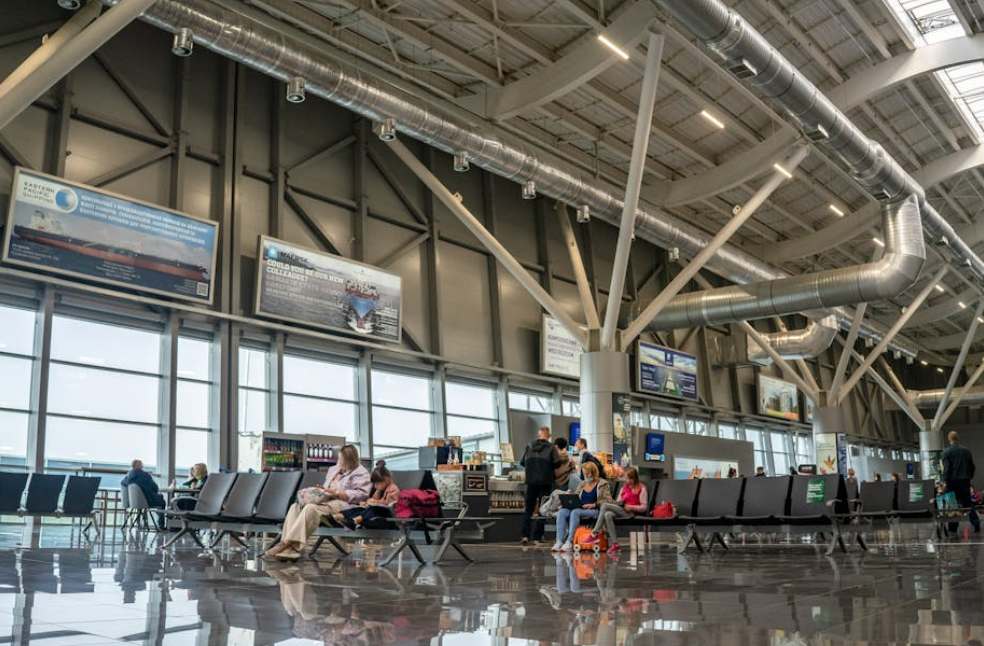
Air traffic controllers, classified as ‘essential workers’, have been on duty without pay since the shutdown began on October 1. Many have sought temporary jobs to support their families. The FAA has urged Congress to end the shutdown immediately so that employees can receive their pay and travellers can avoid further disruption.
US Secretary of Transportation Sean Duffy told that flight delays are likely to continue to ensure the safety of the system. Duffy added that the department will not penalise air traffic controllers taking additional jobs to support themselves.
The shutdown, now matching the 2018–2019 record, has affected around 1.4 million federal employees. Around 670,000 have been furloughed, while 730,000 continue to work without pay, highlighting the growing pressure on essential public services.
The prolonged US government shutdown has not only affected air travel but has also raised broader concerns about national operations dependent on federal funding. Until an agreement is reached, travelers across the country are expected to face continued delays and uncertainty.
POPULAR | Indonesia plans to acquire more Airbus A400M aircraft
