


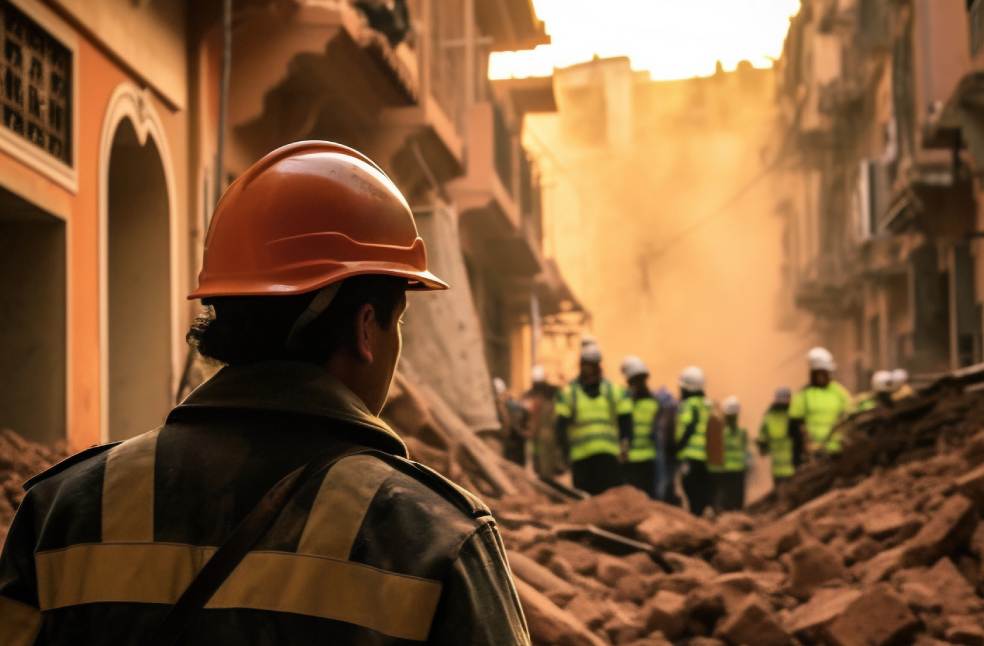
Mazar-e-Sharif: At least 20 people have been confirmed dead and more than 320 injured after a powerful earthquake struck northern Afghanistan, local authorities have confirmed.
Officials fear the death toll is likely to rise as rescue operations continue. The 6.3-magnitude quake, recorded at around 01:00 local time (20:30 GMT), struck near Mazar-e-Sharif—one of Afghanistan’s largest cities with a population of over 500,000. According to the US Geological Survey, the tremor originated at a depth of 28 km and was issued an orange alert, indicating a high likelihood of significant casualties.
Impact on Mazar-e-Sharif and surrounding areas
Sharafat Zaman Amar, spokesperson for the Taliban government’s health ministry, confirmed the initial casualties. Hundreds of residents rushed onto the streets as buildings trembled, fearing structural collapse.
- Balkh Province spokesman Haji Zaid said many people are injured in the Sholgara district.
- Most reported injuries occurred due to people jumping or falling from tall buildings in panic.
- Visuals shared on X (formerly Twitter) showed debris scattered around the iconic Blue Mosque, a significant religious landmark believed to house the tomb of the first Shia Imam.
Police spokesperson Khalid Zadran in Kabul said security teams are closely monitoring the situation, while emergency responders continue to assess damage across multiple districts.
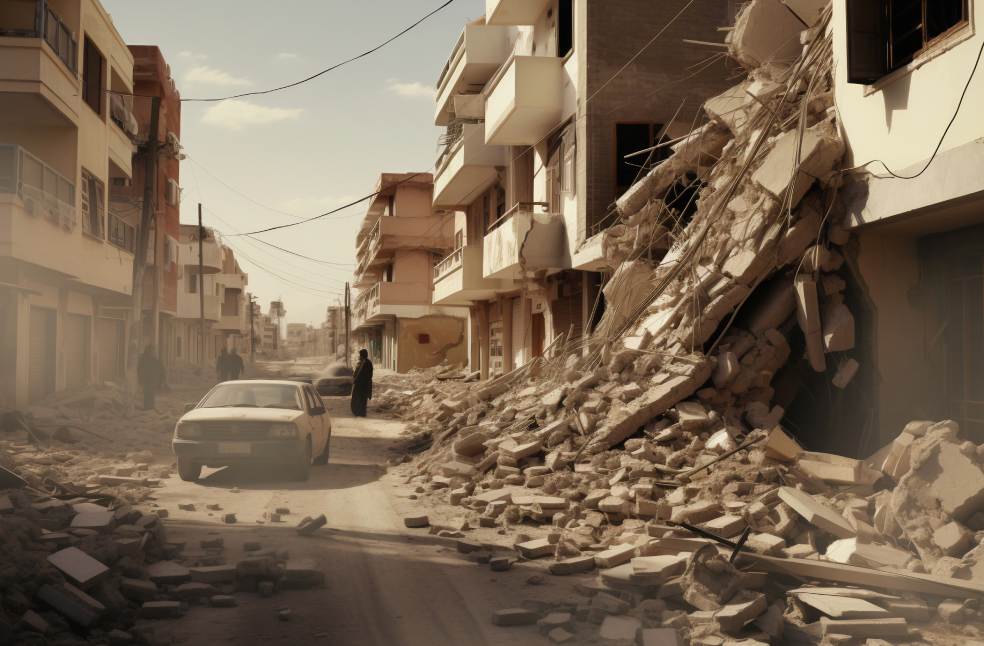
Damage beyond Balkh province
Fatalities have also been reported in Samangan province, a mountainous area near the quake’s epicenter. Local authorities say several villages have been impacted, and communication challenges are hindering immediate rescue efforts.
Historical and geological context
Afghanistan lies on the collision zone of the Indian and Eurasian tectonic plates, making it one of the most earthquake-prone regions in the world.
- This disaster follows a 6.0-magnitude quake in August, which killed more than 1,000 people in the country’s eastern highlands.
- Rural mud and timber homes in those regions were especially vulnerable to collapse.
Authorities warn that the casualty figures could increase as rescue teams work through damaged structures and remote areas. Hospitals in Mazar-e-Sharif and nearby provinces are reportedly overwhelmed with injured civilians. Further updates are expected as emergency operations continue and aftershocks remain a concern.
TOP PICKS | Meta reports record revenue; Profit hit by $15.9bn tax charge
