


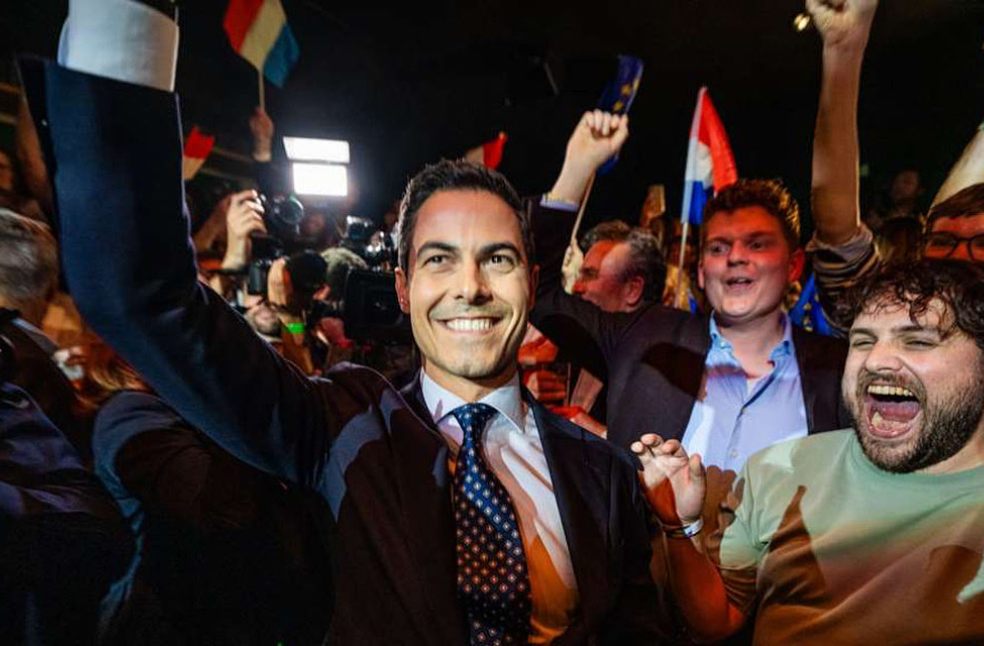
The Hague: The centrist D66 party has emerged as the leading force in the Dutch elections, securing major gains that could allow it to form the next government, while the far-right Freedom Party (PVV) led by Geert Wilders has lost support.
With 98 percent of votes counted, both D66 and PVV are projected to win 26 seats in the 150-seat lower house of parliament. However, D66 holds a narrow lead of about 2,300 votes out of nearly 10 million votes cast. Vote counting is expected to resume on Thursday morning.
D66 has made the biggest gains in this election, nearly tripling its seat count compared with the last poll, marking a strong comeback for centrist politics. In contrast, Wilders’ PVV has seen a steep decline after its record performance in 2023. Early exit polls and partial results indicated a tight race between the two parties, but later counts confirmed D66’s marginal advantage.
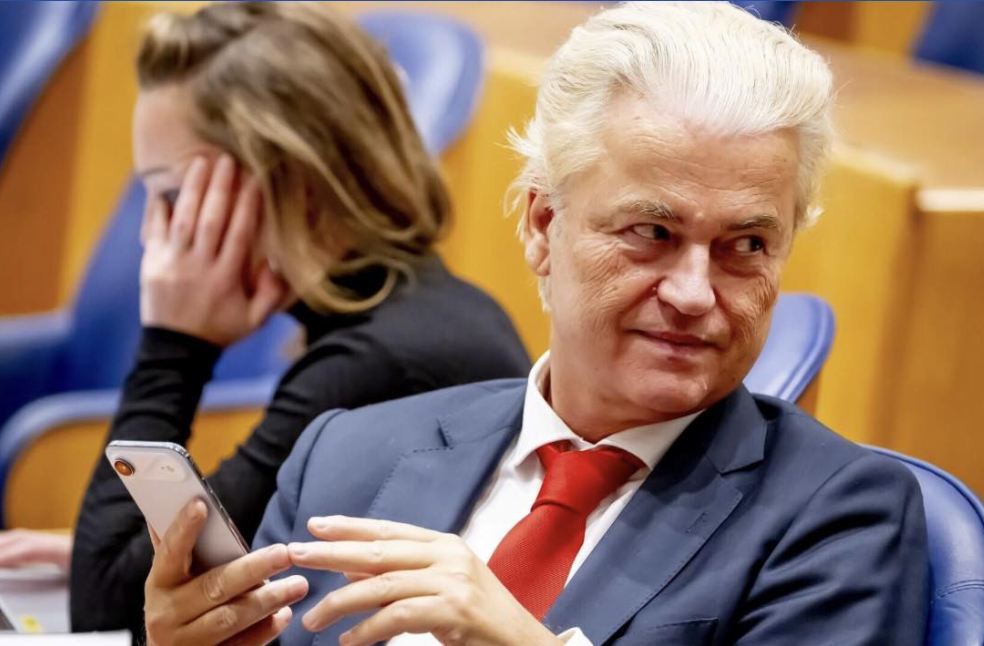
Despite the close result, analysts have suggested that the overall composition of the next coalition is unlikely to change dramatically. Most mainstream parties have already ruled out forming a government with Wilders, after his party brought down the previous coalition.
This outcome has created an opportunity for D66 leader Rob Jetten to lead coalition negotiations and potentially become the youngest prime minister in Dutch history.
The election result reflects a shift in Dutch politics, with voters showing stronger support for centrist and progressive values after a period of polarisation. As final votes continue to be verified, attention has turned to coalition discussions that will determine the direction of the new government. The result signals a renewed focus on stability, moderation, and collaboration within the Netherlands’ political landscape.
MOST READ | Australian girls targeted by global online crime networks
