


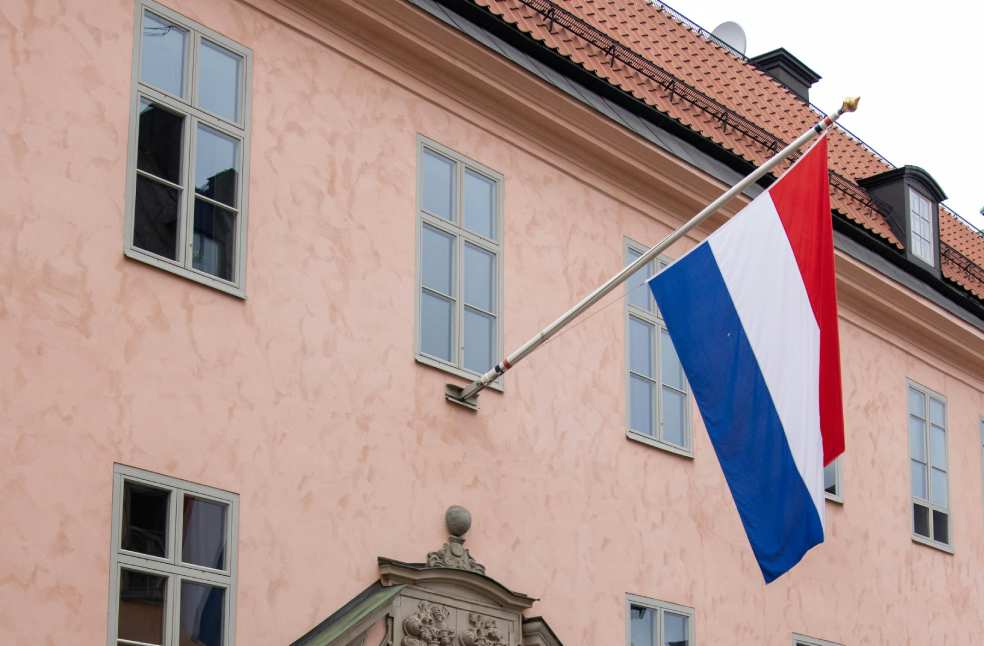
Netherlands: Voters across the Netherlands are casting their ballots in parliamentary elections that could once again see Geert Wilders’s far-right Freedom Party (PVV) emerge as the largest party, but with little chance of returning to power.
Polls suggest the PVV is marginally ahead, projected to win between 24 and 28 seats in the 150-member parliament. This marks a decline from its 2023 victory, when it secured 37 seats and led a short-lived four-party conservative coalition that collapsed after just a year over disputes about Wilders’s anti-refugee policies.
Despite leading the race, the PVV remains politically isolated, with all major parties having ruled out forming a coalition with Wilders. The centre-left Green Left/Labour alliance (GL/PvdA), headed by former European commissioner Frans Timmermans, trails closely with 22–26 seats, while the liberal-progressive D66 is forecast to make major gains with 21–25 seats. The centre-right Christian Democrats (CDA) are also expected to improve their standing, winning between 18 and 22 seats.
The outgoing coalition, comprising the PVV, liberal-conservative VVD, populist Farmer-Citizen Movement (BBB), and centrist New Social Contract (NSC) is predicted to lose ground after months of internal conflict and limited achievements.
With 27 parties contesting the election and up to 16 expected to enter parliament, coalition-building will once again dominate Dutch politics. The Netherlands’ proportional voting system ensures no single party can win outright, and the country has been governed by multi-party coalitions for over a century.
Wilders has warned that democracy will be dead if the PVV is excluded from power despite finishing first, but analysts note that any majority coalition remains a democratic outcome.
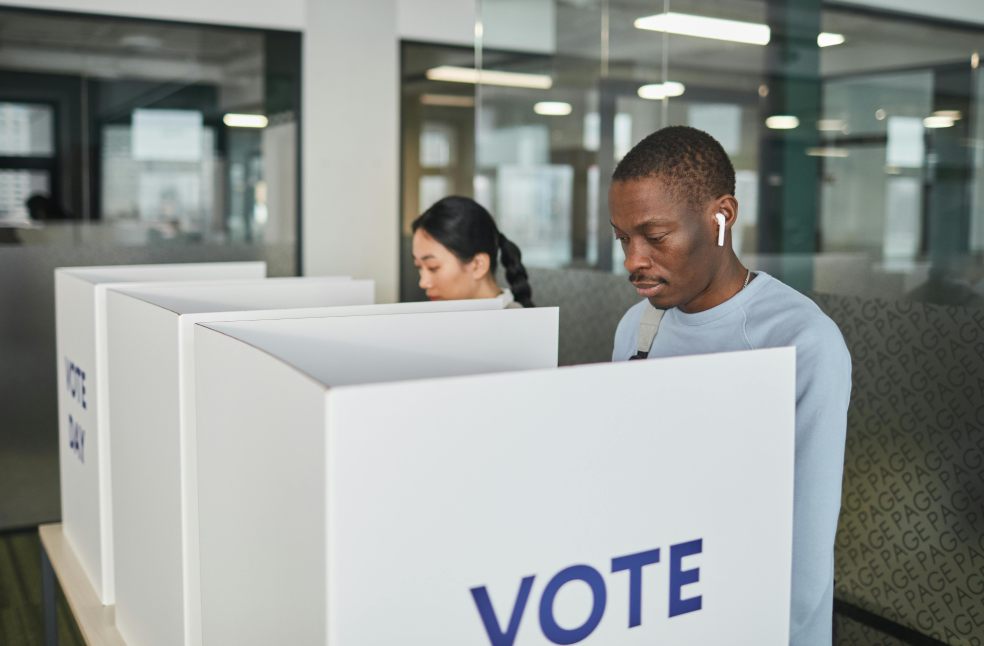
Voting stations, including symbolic locations such as the Anne Frank House in Amsterdam and the Madurodam miniature park in The Hague, opened at 7:30am and will close at 9pm. A national exit poll typically a reliable indicator, will be released shortly afterwards.
Following the vote, an informateur will begin exploring possible coalition combinations before formal negotiations begin. Analysts expect a centrist or moderate-right coalition to eventually take shape after what could be months of talks.
MOST READ | Trump, Takaichi sign trade and critical minerals deals in Tokyo talks
