



Tokyo: Japan has seen a surge in bear encounters across multiple prefectures as the animals move closer to human settlements. Authorities have issued new safety guidelines to help residents respond during unexpected encounters.
Reports of bear sightings and attacks have become almost daily occurrences. In Akita prefecture, a bear attacked both a jogger and a walker in built-up areas, while another incident involved a bear injuring four people before hiding inside a house.
None of the victims sustained serious injuries, though nine fatalities have been recorded across Japan since April, according to the environment ministry. This marks the highest annual toll on record.
Officials and researchers are now focused on preventing further attacks. The general advice is to avoid eye contact, remain calm, and back away slowly without turning around. Experts warn against running or climbing trees, as bears can easily outrun or outclimb humans. If an attack appears unavoidable, victims are urged to lie face down and protect the head and neck.
A study by Akita University highlighted that individuals who adopted this defensive posture suffered less severe injuries. Out of 70 surveyed attack survivors, all seven who used this method avoided critical harm. Authorities are also recommending preventive measures such as carrying bells or whistles during outdoor activities and travelling in groups, as bears rarely approach multiple people.
Repellent sprays remain one of the most effective deterrents, though they are difficult to obtain in Japan. Experts also discourage hiking at dawn or dusk, when bears are most active, and advise against leaving food waste outdoors.
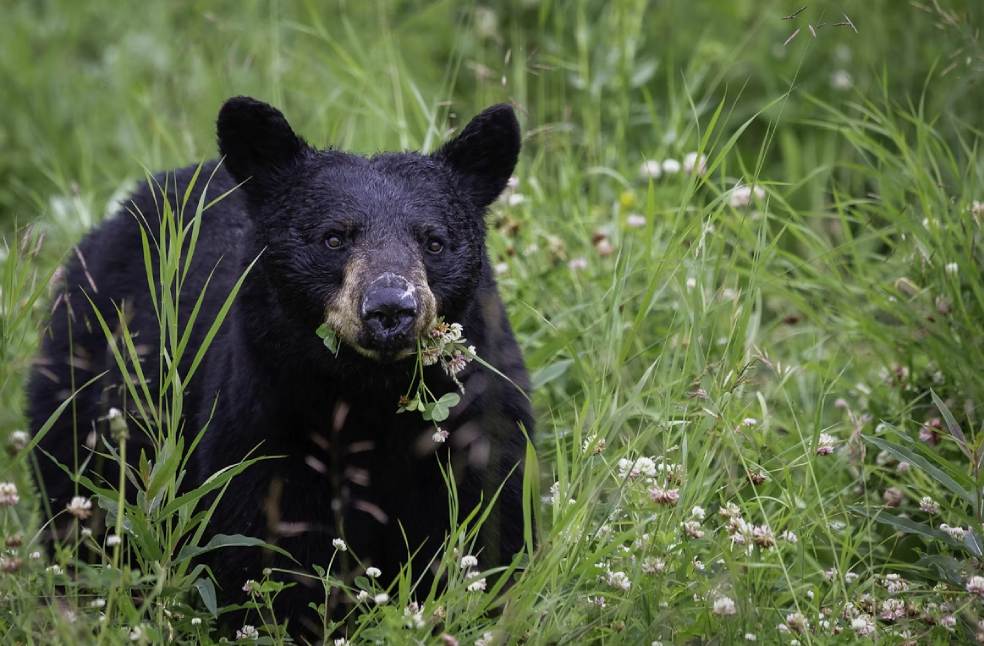
Japan is home to about 44,000 Asian black bears, common across the northern regions, and around 12,000 larger Ussuri brown bears found on Hokkaido island. Experts believe changes in climate and habitat are driving the rise in encounters. Poor harvests of acorns and beechnuts have forced bears closer to human settlements. Additionally, warmer winters linked to climate change have delayed hibernation, increasing human-wildlife contact.
Rural depopulation has also contributed by creating overgrown farmland that blurs the boundary between forest and village zones. Local governments, including Akita, are facing challenges due to a shortage of licensed hunters. Akita governor Kenta Suzuki has considered requesting assistance from Japan’s self-defence forces to manage the crisis.
Environment minister Hirotaka Ishihara described the situation as a ‘serious problem’ and confirmed plans to train more hunters to manage bear populations. Meanwhile, local residents are preparing by stocking repellent sprays, bells, and whistles, all part of Japan’s growing awareness of how to coexist safely with bears.
As Japan works to reduce bear attacks, experts have emphasised the need for long-term solutions such as better forest management, restoring natural food sources, and monitoring bear movements through tracking technology. Local authorities have also been urged to strengthen public awareness campaigns, ensuring that residents understand both the risks and the importance of maintaining ecological balance.
POPULAR | Hurricane Melissa strengthens to Category 3 threatening Jamaica
