


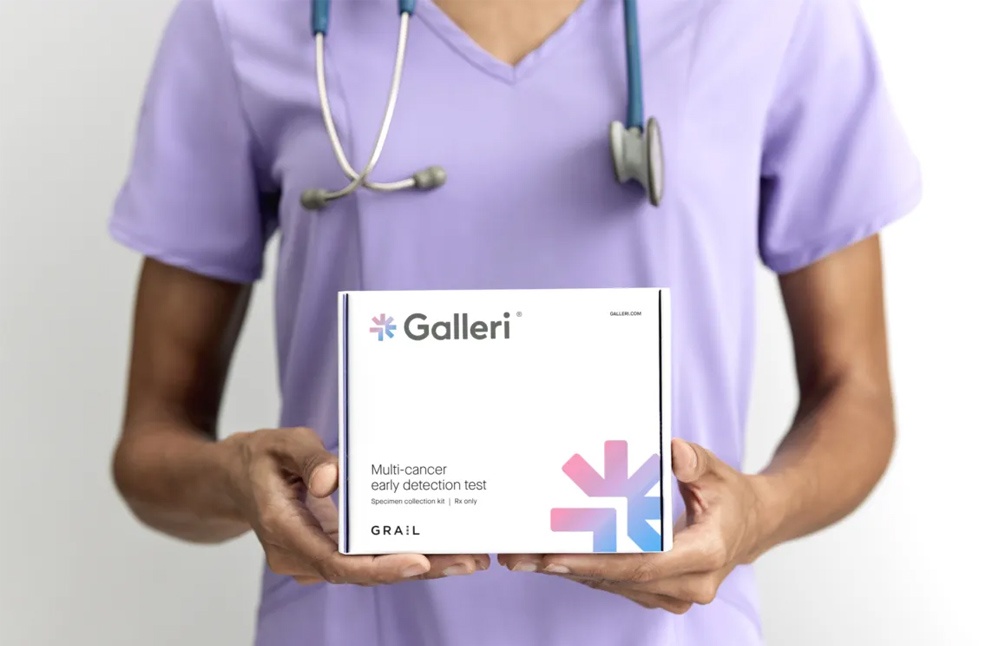
Berlin: A revolutionary blood test known as Galleri, capable of detecting more than 50 types of cancer, could transform early diagnosis and treatment outcomes, according to results from a large-scale North American study.
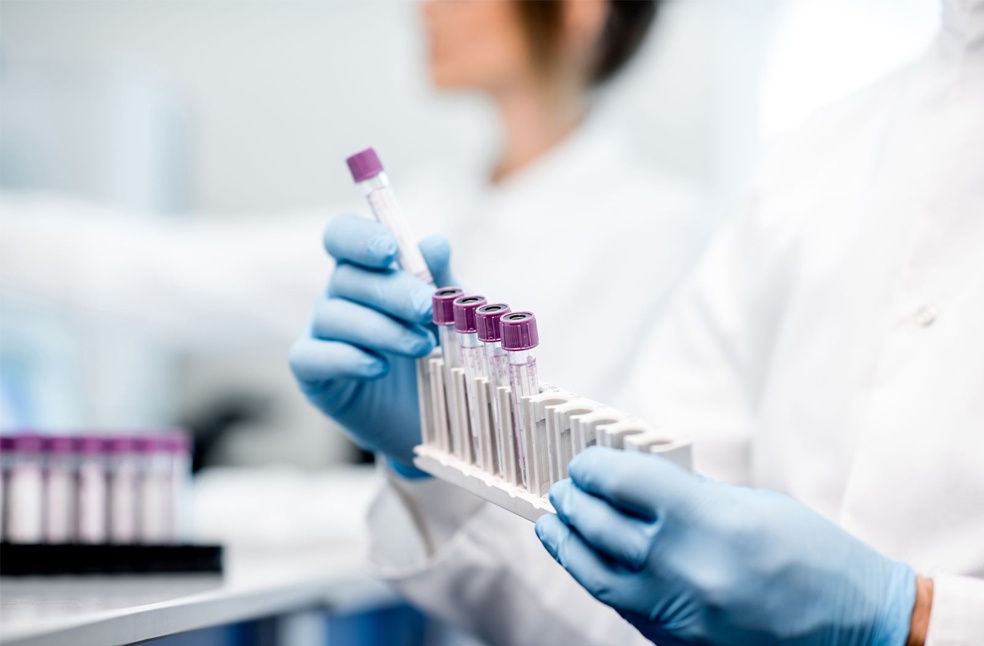
Developed by the U.S.-based biopharmaceutical company Grail, the Galleri blood test works by identifying tiny fragments of cancerous DNA that have broken away from tumours and circulate in the bloodstream.
In a year-long trial involving 25,000 adults across the United States and Canada, the test demonstrated strong performance, successfully identifying a wide range of cancers, three-quarters of which currently have no screening programme.
The test also proved highly reliable in excluding disease, correctly ruling out cancer in over 99 percent of those who tested negative. When combined with standard breast, bowel, and cervical screening programmes, the Galleri blood test increased overall cancer detection seven-fold.
Notably, three-quarters of detected cancers were types with no existing screening methods, such as ovarian, liver, stomach, bladder, and pancreatic cancers. In addition, the test accurately identified the origin of the cancer in nine out of ten cases, offering valuable information to guide treatment decisions.
Lead researcher Dr. Nima Nabavizadeh, Associate Professor of Radiation Medicine at Oregon Health & Science University, stated that the findings indicate the test could “fundamentally change our approach to cancer screening, helping to detect many types of cancer earlier, when the chance of successful treatment or even cure are the greatest.”
However, scientists unaffiliated with the study have urged caution until more evidence emerges. Professor Clare Turnbull, Professor of Translational Cancer Genetics at The Institute of Cancer Research, London, stressed that, “data from randomised studies, with mortality as an endpoint, will be absolutely essential to establish whether seemingly earlier-stage detection by Galleri blood test translates into benefits in mortality.”
The topline results of this trial will be presented at the European Society for Medical Oncology (ESMO) Congress in Berlin, though full details have not yet been published in a peer-reviewed journal. Further validation is expected from a three-year trial involving 140,000 NHS patients in England, with results due next year.
The NHS has indicated that if those results are positive, it plans to expand testing to an additional one million people.
Sir Harpal Kumar, President of Biopharma at Grail, remarked that, “We think these results are very compelling. The opportunity in front of us is that we can find many more cancers, and many of the more aggressive cancers, at a much earlier stage when we have more effective and potentially curative treatments.”
Meanwhile, Naser Turabi of Cancer Research UK said that while the findings are encouraging, “further research is needed to avoid over diagnosing cancers that may not have caused harm.” Turabi added that the UK National Screening Committee would play a crucial role in reviewing the evidence and determining whether such tests should be introduced into the NHS screening programme.
Overall, the results mark a potentially transformative step forward in cancer detection, though experts agree that larger and longer-term studies will be critical to confirm whether early detection through Galleri blood test ultimately saves lives.
ALSO READ | England and Wales approve ‘CAB-LA’ HIV prevention shot
