


New York: Spotify, the world’s largest music streaming platform, has announced that it is collaborating with major record labels on the responsible use of artificial intelligence (AI) in music, aiming to create AI tools that prioritize artists and songwriters while respecting copyright.
The company will license music from the three record labels that dominate the industry: Sony Music, Universal Music Group, and Warner Music Group. Additional partners in the initiative include Merlin, a music rights firm, and digital music company Believe. Although the specific AI tools are not yet fully defined, Spotify has already begun developing its first products.
Spotify acknowledged the wide range of views among artists regarding generative music tools and said that participation will be optional, allowing creators to choose whether they want their work used in AI applications.
This move comes during criticism from high-profile musicians, including Dua Lipa, Sir Elton John, and Sir Paul McCartney, who have voiced concerns about AI companies training generative tools on their music without permission or compensation.
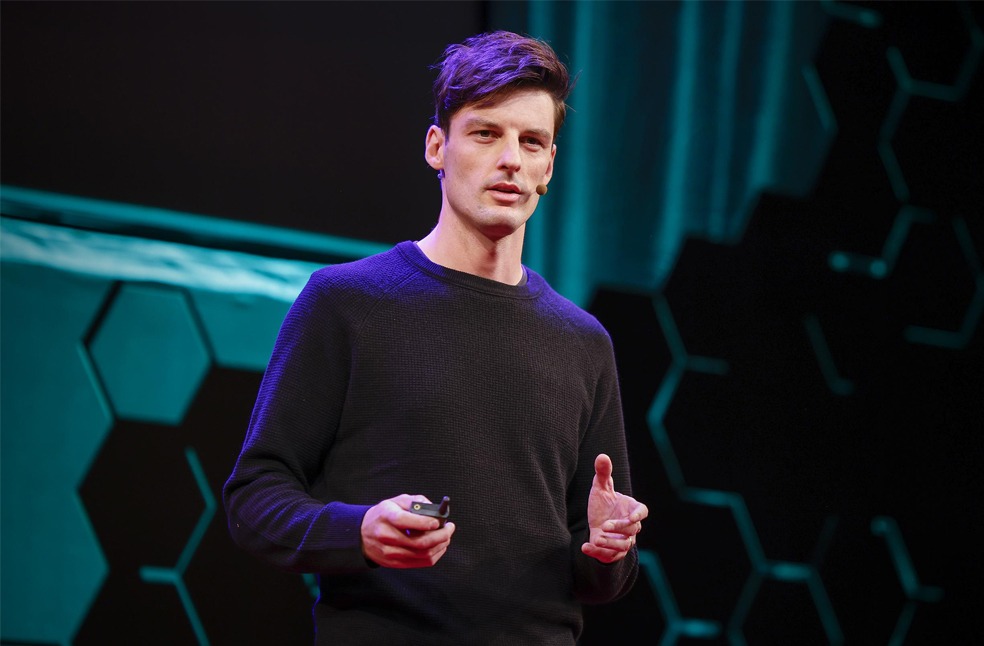
The platform stressed that all AI-generated features will ensure that artists, songwriters, and rights holders are properly compensated and credited upfront, rather than seeking forgiveness after the fact. Alex Norstrom, Spotify’s co-president, stated that, “Technology should always serve artists, not the other way around.”
Some critics remain concerned about the impact of AI on human artists’ revenue. Max Bonanno, Managing Partner at New Orleans-based MidCitizen Entertainment, noted that AI-generated songs have ‘polluted the creative ecosystem’ and diluted the already limited streaming royalties available to artists.
Conversely, advocates for ethical AI, such as Ed Newton-Rex, founder of Fairly Trained, praised Spotify’s approach as a step toward a fairer AI music industry. The founder highlighted that, “The devil will be in the details, but it looks like a move towards a more ethical AI industry, which is sorely needed.”
Spotify clarified that it does not create music itself, AI-generated or otherwise, but currently uses AI in features like custom playlists (‘daylist’) and AI DJ. The platform also hosts AI-generated music while cracking down on unauthorized AI content, such as a viral 2023 track that used voice clones of Drake and The Weeknd, which was subsequently removed.
AI is already used in multiple stages of the music creation process, including autotune, mixing, and mastering. A notable example is The Beatles’ 2023 Grammy-winning single ‘Now and Then’, which used AI to clean up John Lennon’s voice from archival recordings.
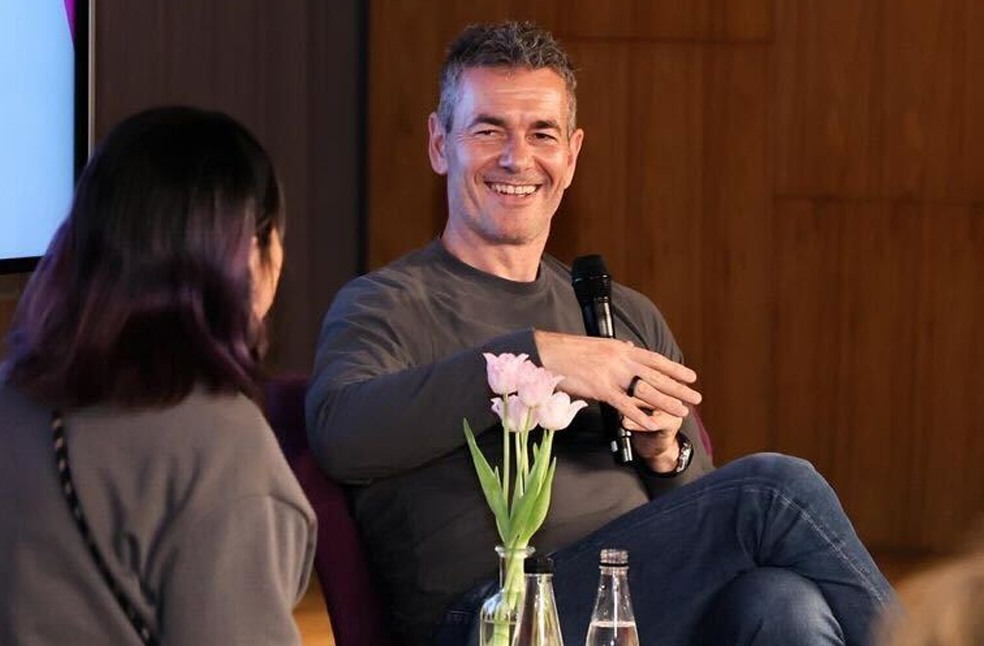
Robert Kyncl, CEO of Warner Music Group, emphasized that Spotify’s collaborations with major labels and rights holders are designed to ensure AI is used to benefit artists and the creative community, with licensing agreements that protect and compensate rightsholders.
Kyncl added that the platform has consistently focused on ensuring that AI tools support artists and songwriters rather than exploit them, aligning innovation with fairness and ethical standards in music creation.
This announcement reflects Spotify’s ongoing commitment to integrating AI responsibly in the music industry, balancing technological innovation with the protection of creative rights and fair compensation for all contributors.
ALSO READ | 3,000 sue Johnson & Johnson in UK over cancer claims
