



Sydney: Australia sunscreen scandal has grown after regulators have warned about multiple sunscreen products that may not provide the protection levels advertised.
A total of 18 items have been pulled from retail shelves in the country, which has one of the highest skin cancer rates globally. The issue surfaced after analysis by a consumer advocacy group in June found that several premium sunscreens did not match their stated protection.
One high-profile product, Ultra Violette’s Lean Screen Skinscreen, was marketed with a skin protection factor (SPF) of 50+ but testing revealed an SPF of only 4, leading to a voluntary recall in August. The Therapeutic Goods Administration (TGA) has since flagged around 20 additional products linked to the same base formula.
Preliminary tests suggest that the formula may not exceed SPF 21, with some results as low as SPF 4. Of the 21 products identified, eight have been recalled or production stopped, 10 have been paused from sale, and two remain under review.
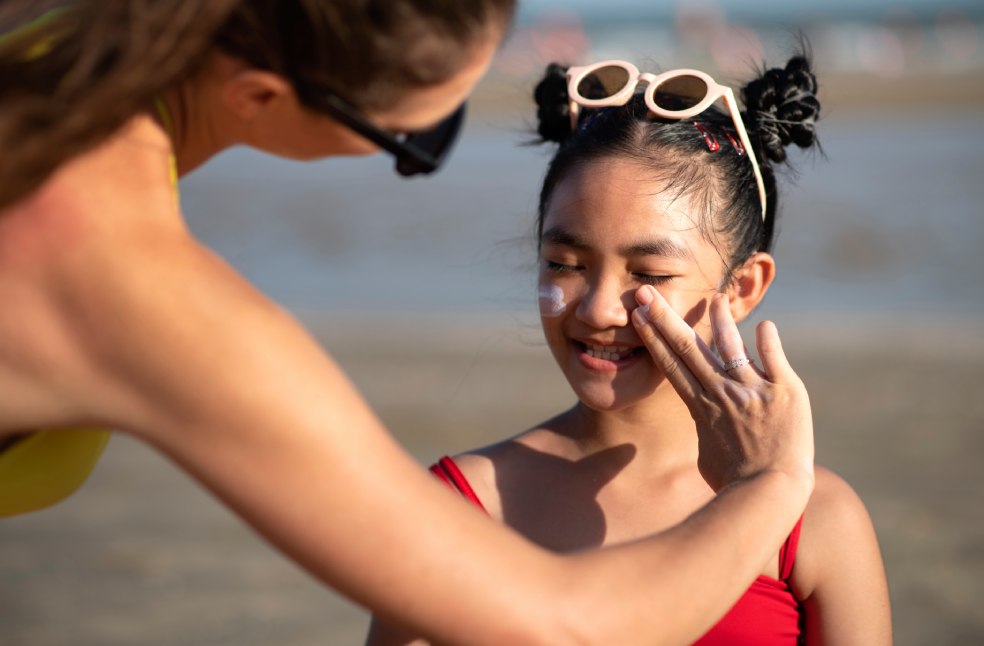
The TGA has also expressed significant concerns regarding testing performed by Princeton Consumer Research Corp (PCR Corp), a US-based laboratory. Many sunscreen makers relied on PCR Corp results to justify SPF claims. The regulator has contacted both the manufacturers and the laboratory but has not received a response.
Wild Child Laboratories Pty Ltd, the manufacturer of the base formula, has halted its production. Chief executive Tom Curnow said that TGA inspections did not find issues with manufacturing itself, but pointed to wider testing inconsistencies within the sunscreen industry. Wild Child has since ended its relationship with PCR Corp and has resubmitted its formulas for testing with other independent, accredited laboratories.
Australia has some of the world’s strictest sunscreen regulations, reflecting the nation’s elevated rates of skin cancer. Experts have warned that the current scandal not only undermines consumer trust but could also affect global sunscreen supply chains due to reliance on similar base formulas and laboratories.
The TGA has indicated that it is reviewing current SPF testing methods, acknowledging that some processes may be highly subjective. Regulators have signalled that further industry-wide reforms could follow as investigations progress.
TOP PICKS | Trump and Netanyahu reveal comprehensive Gaza peace plan
