


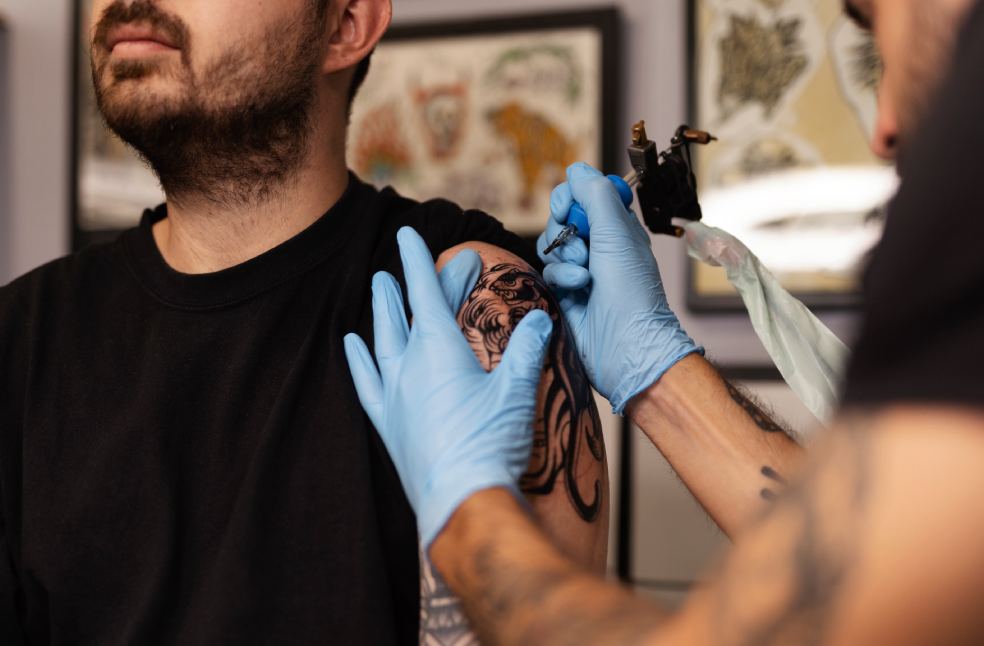
Seoul: South Korea has legalised tattoo artistry by non-medical professionals for the first time in more than 30 years, marking a major shift for the country’s tattoo industry.
Until now, offering tattoos was restricted to medical professionals following a 1992 Supreme Court ruling. Anyone practising without medical credentials faced up to five years in prison or fines of up to $35,000 (50 million Korean won; £28,000).
The new Tattooist Act, passed by the General Assembly allows non-medical tattooists who make up the majority of the industry to obtain a licence and work legally.
Lim Bo-ran, president of the Korea Tattoo Federation, was visibly emotional at the law’s passing, stating that, “I can’t speak because it feels like a dream. I am truly grateful.”
According to the Ministry of Health and Welfare, South Korea has an estimated 350,000 tattoo artists, most specialising in semi-permanent make-up for lips, eyebrows, and hairlines. However, relatively few hold medical qualifications, with most coming from art or beauty backgrounds.
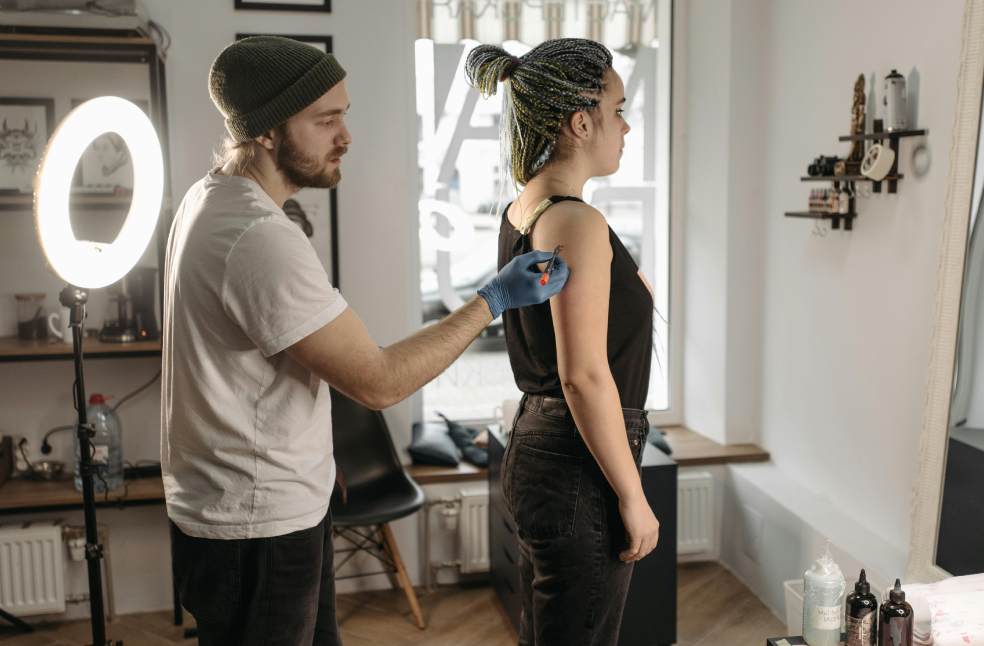
For decades, tattooists in South Korea operated in a legal grey area, facing harassment, false accusations, and threats from clients. Some practitioners reported being unable to seek police protection due to the risk of prosecution.
In recent years, courts have increasingly acquitted tattoo artists, reflecting a shift in public and legal attitudes. Park Ju-min, chairman of the National Assembly’s health and welfare committee and the law’s primary proponent, highlighted the change, stating the law will allow citizens to get tattoos safely, and those engaged in the tattoo industry will be recognised as legal professionals.
Despite the historic change, the law has faced opposition from the medical community. The Korean Medical Association warned that tattooing could damage skin and interfere with medical diagnoses, including cancer detection, insisting that tattooing is fundamentally a medical procedure.
Some in the industry also caution that legal recognition may not immediately erase social stigma. Surveys indicate that a majority of South Koreans still view tattoos negatively, despite their growing popularity among younger generations and in influencer culture.
The law will take effect in two years, giving tattoo artists time to complete a national exam, undergo safety and hygiene training, and maintain detailed client records. Tattoo removal procedures will stay restricted to medical professionals.
TRENDING | Magnitude 6.1 earthquake strikes Northwest Venezuela
