



Karachi: Pakistan floods have battered both agricultural regions and industrial hubs for the first time in decades, inflicting billions of dollars in damage and straining food supplies, exports and economic growth.
The disaster has arrived just as the government had projected 4.2 percent growth for 2026, based on a recovery in farming and manufacturing supported by an International Monetary Fund bailout.
Record monsoon rains since late June, amplified by dam releases from India, have inundated vast areas of Punjab and Sindh, the country’s two most vital provinces. Officials and analysts have warned that the blow could exceed the devastation of 2022, when a third of Pakistan was submerged, because both farming and manufacturing have been hit simultaneously.
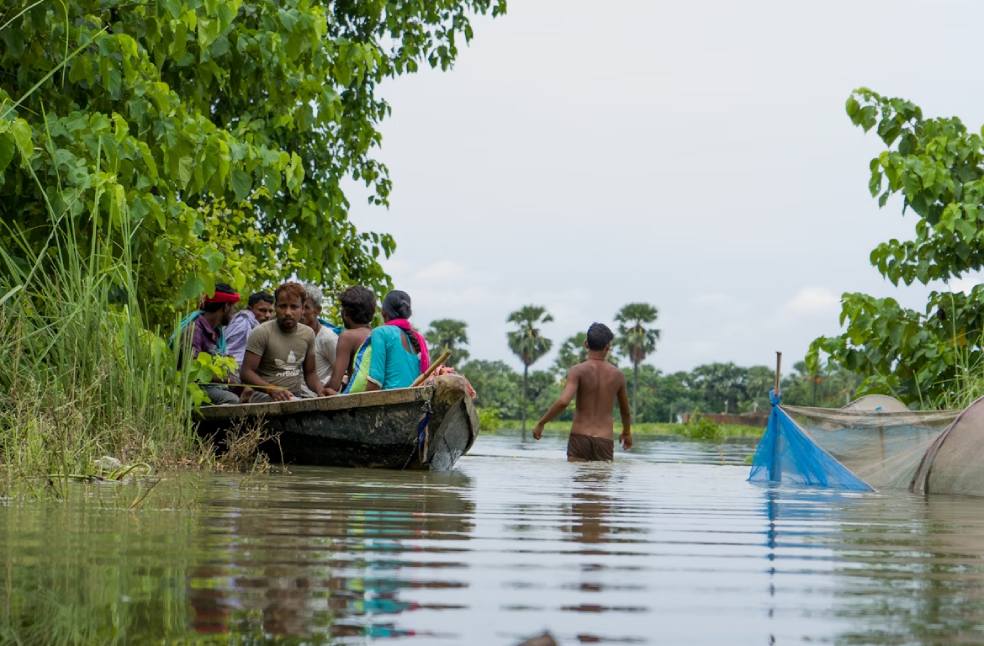
Agricultural monitoring initiative GEOGLAM has estimated that 220,000 hectares of rice fields were flooded between August 1 and September 16. Punjab’s disaster management authority has reported 1.8 million acres of farmland under water, with rice, cotton and maize among the hardest hit.
Khalid Bath, chairman of the Pakistan Farmers Association, said that 50 percent of rice, and 60 percent of cotton and maize have been lost. Former University of Agriculture Faisalabad vice chancellor Iqrar Ahmad Khan said that at least a tenth of national crops are destroyed, while vegetable losses have reached 90 percent in some districts.
The timing is critical as wheat sowing is due to begin, a crop that provides nearly half of Pakistan’s caloric intake. Despite comfortable national reserves after a strong 2024 harvest, large parts of farmland remain waterlogged, threatening the sowing window. Khan warned that the crisis could trigger food insecurity rather than simply higher prices.
ALSO READ | Philippines on alert as super typhoon Ragasa approaches
