


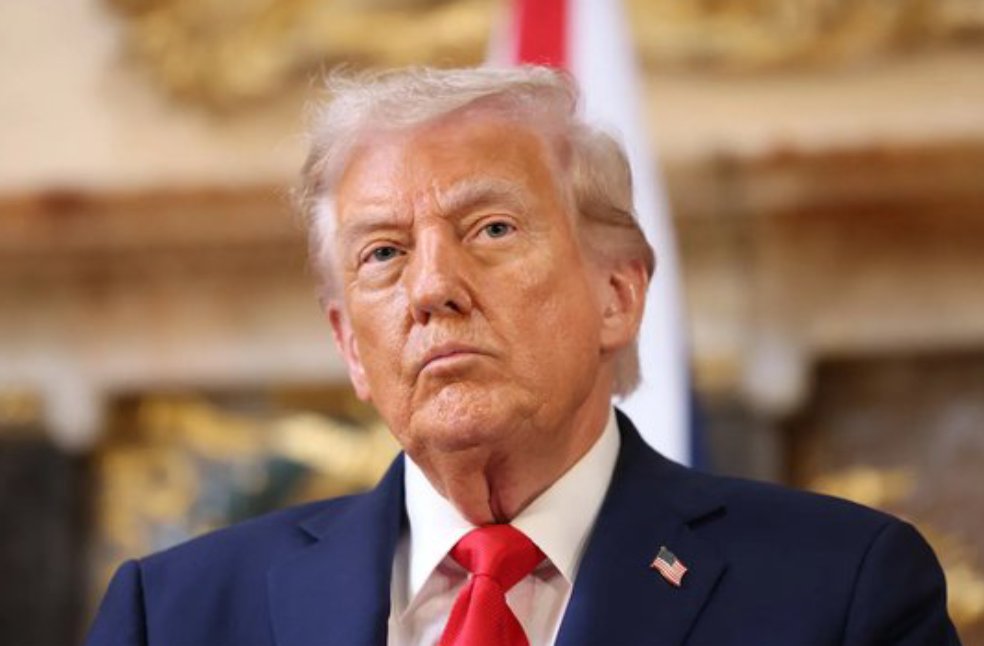
Washington: US President Donald Trump has signed a sweeping executive order introducing a $100,000 (£74,000) fee for applicants to the H-1B visa programme, a popular route for skilled foreign workers in technology and other industries.
The White House proclamation cited concerns over abuse of the programme and said entry would be restricted unless the new payment was made. Until now, H-1B applicants have been required to pay administrative charges amounting to approximately $1,500.
Critics have long argued that H-1B visas undercut American workers, while supporters, including billionaire Elon Musk, say the scheme is essential for attracting top global talent to the US. Announcing the move alongside US Commerce Secretary Howard Lutnick, Trump said major companies were aligned with the new policy.
President Trump signs an Executive Order to open new pathways for extraordinary people who are committed to supporting the United States to come and contribute to America through expedited immigration. 🇺🇸
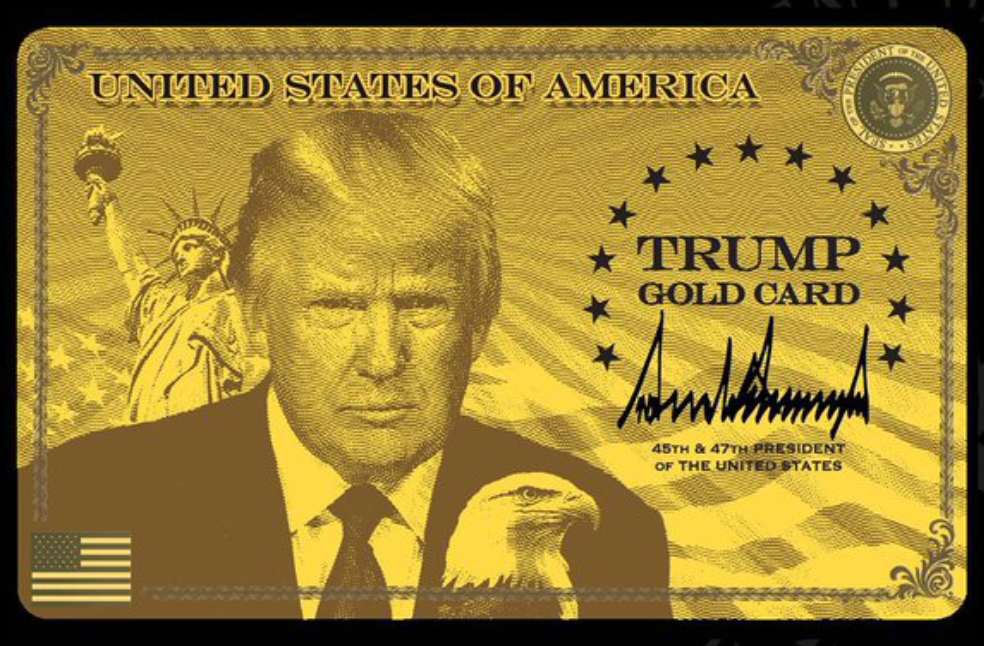
THE TRUMP GOLD CARD! ⬇️ pic.twitter.com/Ot4D7lTtyx
— The White House (@WhiteHouse) September 19, 2025
Lutnick declared that, “A hundred thousand dollars a year for H-1B visas, and all of the big companies are on board. If you’re going to train somebody, you’re going to train one of the recent graduates from one of the great universities across our land. Train Americans. Stop bringing in people to take our jobs.”
Since 2004, the number of H-1B applications has been capped at 85,000 annually. However, demand has consistently far exceeded supply, with the latest figures from US Citizenship and Immigration Services (USCIS) showing applications dropped to 359,000, the lowest in four years. Amazon was the biggest H-1B sponsor last year, followed by Tata, Microsoft, Meta, Apple, and Google.
Critics warn of economic fallout
Immigration lawyers and industry leaders reacted sharply. Tahmina Watson, founding attorney at Watson Immigration Law, described the ruling as a potential nail in the coffin for small businesses and start-ups.
Jorge Lopez, chair of immigration and global mobility practice at Littler Mendelson PC, warned the fee will put the brakes on American competitiveness in the tech sector and all industries, noting some firms may consider shifting operations overseas.
‘Gold Card’ immigration route
In a separate executive order, Trump unveiled a new ‘gold card’ visa programme designed to fast-track immigration for select applicants willing to pay fees starting at £1 million ($1.34 million).
The moves mark a sharp departure from Trump’s earlier remarks in January, when he told reporters he understood ‘both sides of the argument’ on H-1Bs and previously suggested offering green cards to college graduates to attract talent.
History of H-1B restrictions
During his first term in 2017, Trump signed an order tightening scrutiny on H-1B applications, leading to a rejection rate of 24 percent in 2018, the highest on record. Under Barack Obama, rejection rates averaged 5–8 percent, while under Joe Biden, they have since fallen to around 2–4 percent.
The latest escalation is expected to spark concerns in India, the largest source of H-1B applicants, and could reshape global tech workforce dynamics if companies shift their focus away from the US.
TRENDING | FTC sues Ticketmaster and Live Nation over ticket resale tactics
