


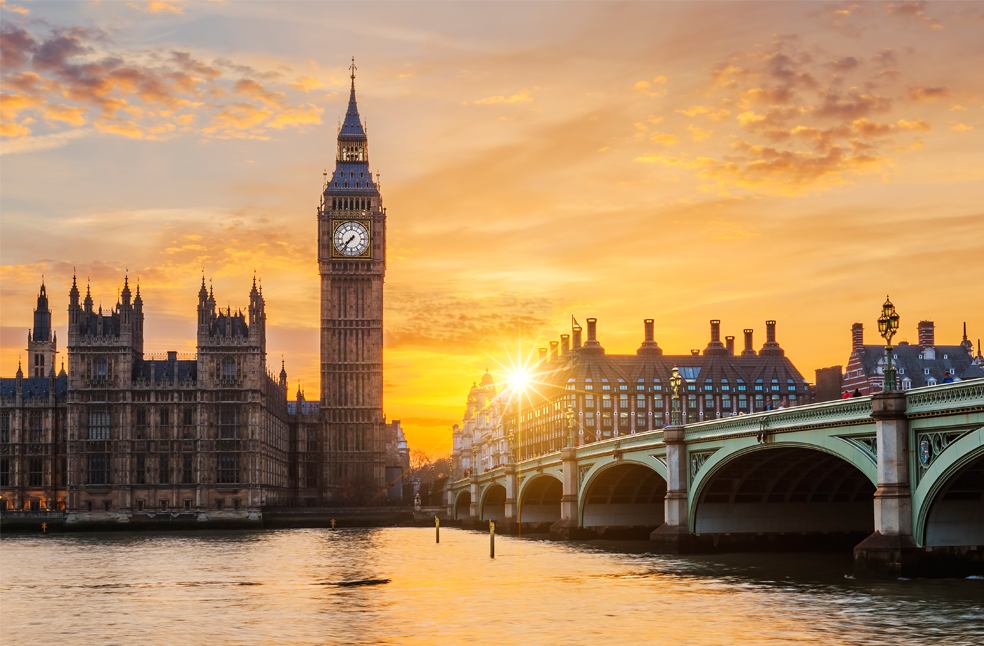
London: Microsoft has pledged $30bn (£22bn) to the UK’s artificial intelligence sector, marking its largest investment outside the US, under a new £31bn agreement dubbed the ‘Tech Prosperity Deal.’
The deal was signed between the UK government and US tech giants during Donald Trump’s second state visit to Britain, aiming to bolster cooperation in AI, quantum computing, and nuclear power.
The package will fund AI infrastructure across the UK, with Microsoft joining a previously announced supercomputer project in Loughton, Essex.
The initiative also includes major investments from Google, Nvidia, Arm, OpenAI, and Nscale. Google committed £5bn toward AI research and infrastructure over the next two years, while Nvidia and partners pledged up to £11bn, describing it as the largest AI infrastructure rollout in UK history.
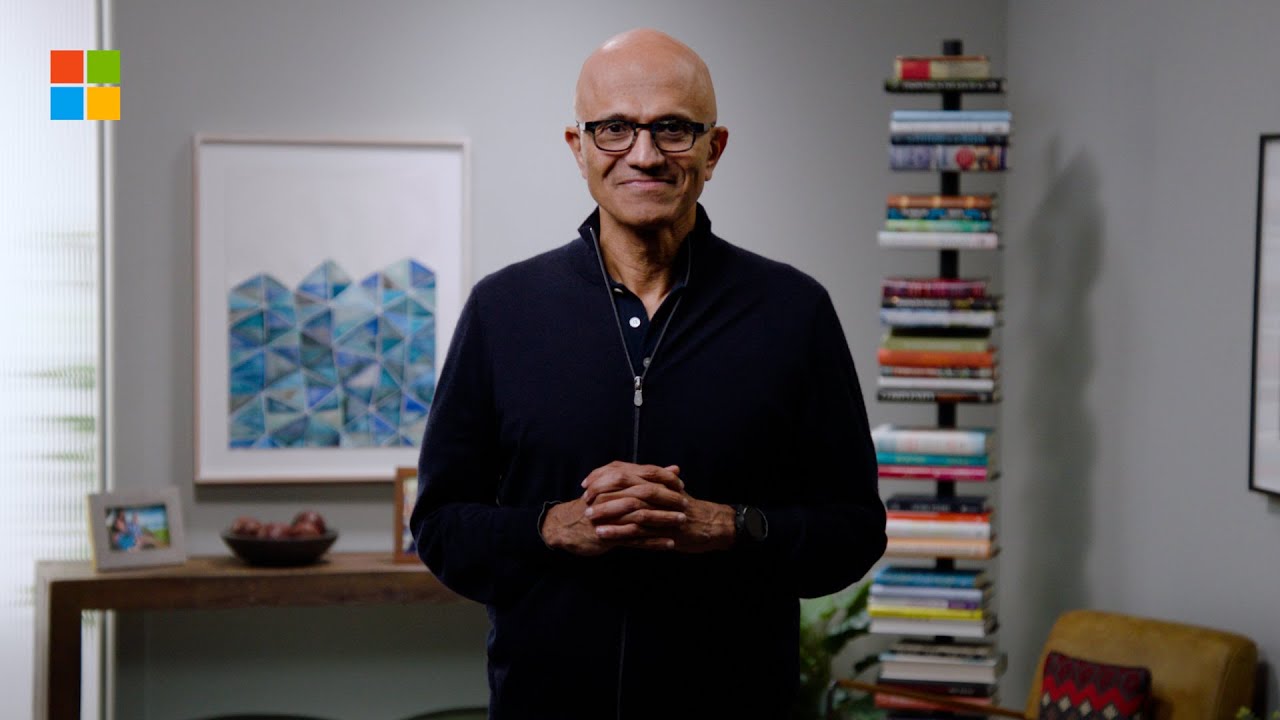
Microsoft CEO Satya Nadella said that AI could transform the UK economy within five years, much like the rise of personal computers in the 1990s. The CEO cautioned against both hype and scepticism, admitting AI’s energy consumption is high, but argued that its benefits in healthcare, public services, and productivity outweighed the costs.
Nadella added that building data centres effectively modernised the power grid, though funds were not being shared directly with the National Grid. Prime Minister Sir Keir Starmer hailed the agreement as ‘a generational step change in our relationship with the US,’ stressing that it would create highly skilled jobs, increase household incomes, and spread benefits nationwide.
The government also announced a new ‘AI growth zone’ in north-east England, expected to generate 5,000 jobs and attract billions in private investment. A new project, Stargate UK, will be launched in Northumberland by OpenAI, Nvidia, Arm, and Nscale, building on last year’s £10bn data centre investment in Blyth.
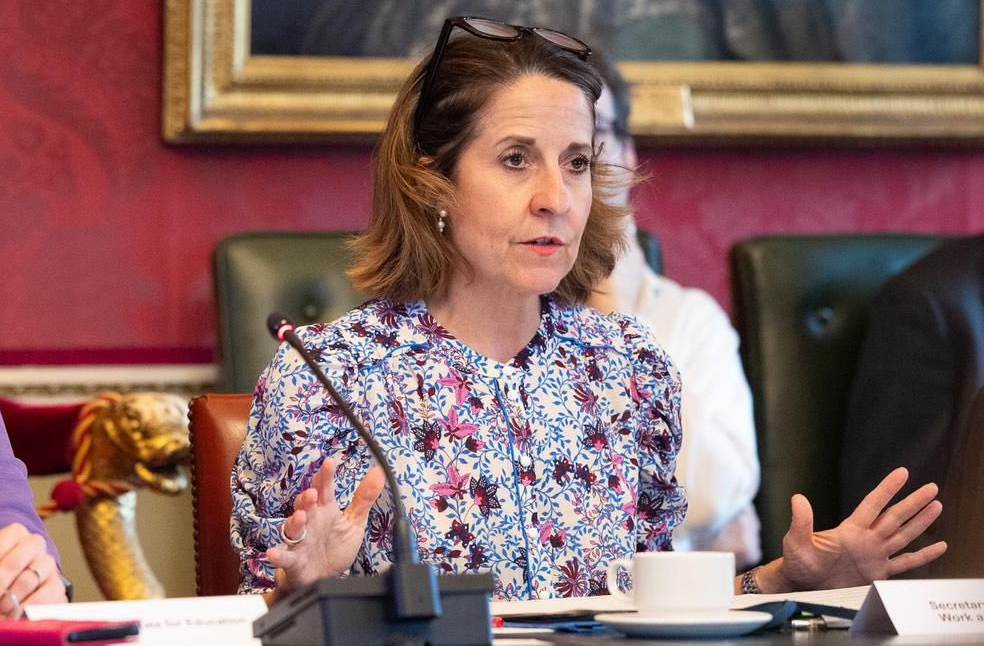
Technology Secretary Liz Kendall clarified that the deal does not include concessions on the Digital Services Tax, which generates £800m annually, nor on copyright protections for creative industries worried about AI misuse. She stressed that discussions on copyright were ongoing and critical for the UK’s cultural sector.
Internationally, the White House has made clear it wants to “export American AI to allies and partners.” Nadella argued that the UK-US partnership represented “the next phase of globalisation,” enhancing rather than undermining digital sovereignty.
The Tony Blair Institute described the deal as a ‘breakthrough moment,’ though it warned that Britain must reform planning rules, accelerate clean energy projects, and expand digital infrastructure to meet the demands of AI expansion. Meanwhile, the Conservative Party pointed to recent setbacks, including cancelled UK projects by international firms such as pharmaceutical giant Merck.
As part of the visit, Nadella will join Trump, OpenAI’s Sam Altman, and Nvidia’s Jensen Huang at a Royal state banquet. In a light-hearted aside, The Microsoft CEO revealed that he used Microsoft’s AI Copilot tool to help decide his outfit, admitting the UK’s dress protocol left him ‘not really ready.’
RELATED POST | Trump arrives in Britain for three-day state visit, talks
