


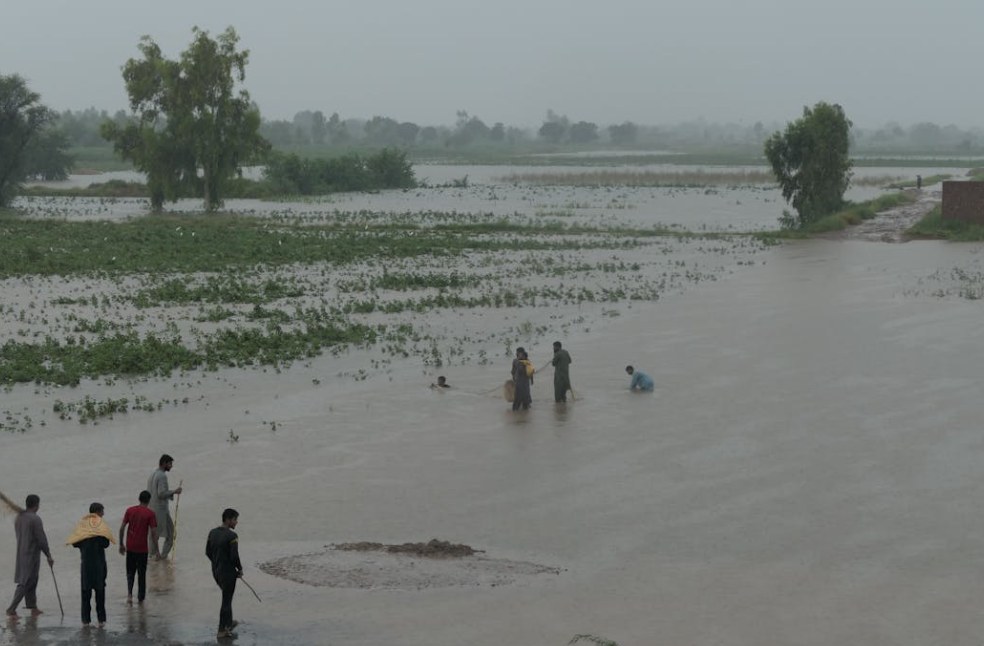
Lahore: More than two million people have been evacuated in Punjab province as Pakistan floods evacuation efforts expand across the country’s eastern regions.
Authorities have confirmed that another 150,000 have been relocated from Sindh province, with the National Disaster Management Authority (NDMA) warning that the figure may increase in the coming days.
According to the International Medical Corps, monsoon rains have killed over 900 people nationwide since late June. Climate change has worsened the scale of flooding, with heavy rainfall causing rivers to overflow. Critics have said that inadequate investment in disaster management, including early warning systems and infrastructure, has further deepened the crisis.
Large areas of farmland and homes have been destroyed, compounding challenges for Pakistan where 40 percent of the population lives below the poverty line. In flood-stricken villages, many families have stayed behind to safeguard their property despite warnings. Rescuers have been forced to go door-to-door, relocating residents and livestock on small boats, which face dangerous currents.
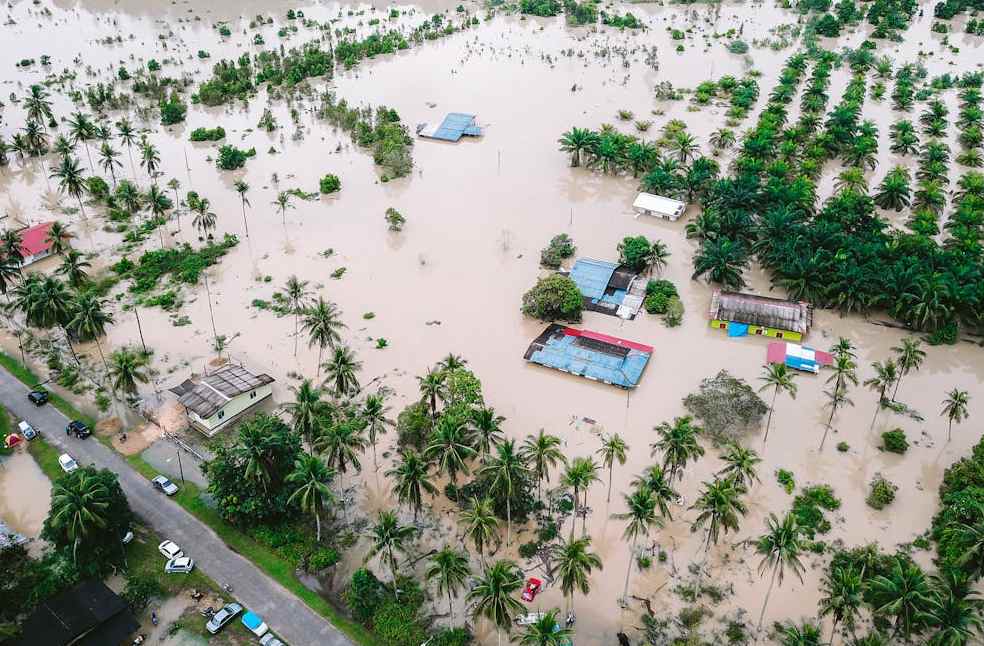
At least nine people lost their lives this week when a rescue boat capsized in the Indus River. In a similar incident near Jalalpur Pirwala city, five people died days earlier. The floods have also spread to India, where at least 30 deaths and more than 354,000 displacements have been reported.
NDMA has said that tonnes of relief supplies, including blankets, tents, and water filtration devices, have been delivered to affected areas. Malik said that it could take several weeks before waters subside, allowing rehabilitation of thousands of damaged villages and agricultural fields to begin.
Experts have warned that Pakistan remains highly vulnerable to climate change due to rising temperatures, extreme rainfall, and melting glaciers, which are creating new flood-prone lakes. In 2022, prolonged monsoon rains killed over 1,700 people and impacted more than 30 million, marking one of the deadliest flood events in history.
This week, Pakistan declared a climate emergency, with Prime Minister Shehbaz Sharif directing officials to prepare a 300-day action plan to address environmental and disaster risks.
MOST READ | South Korea firms cautious after US immigration raid at Hyundai plant
