


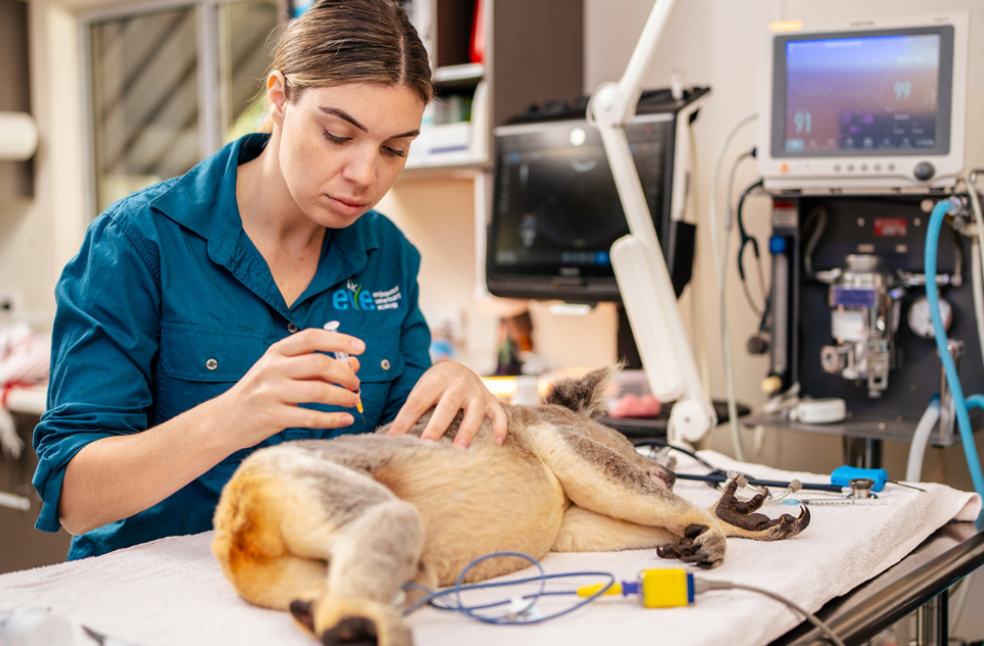
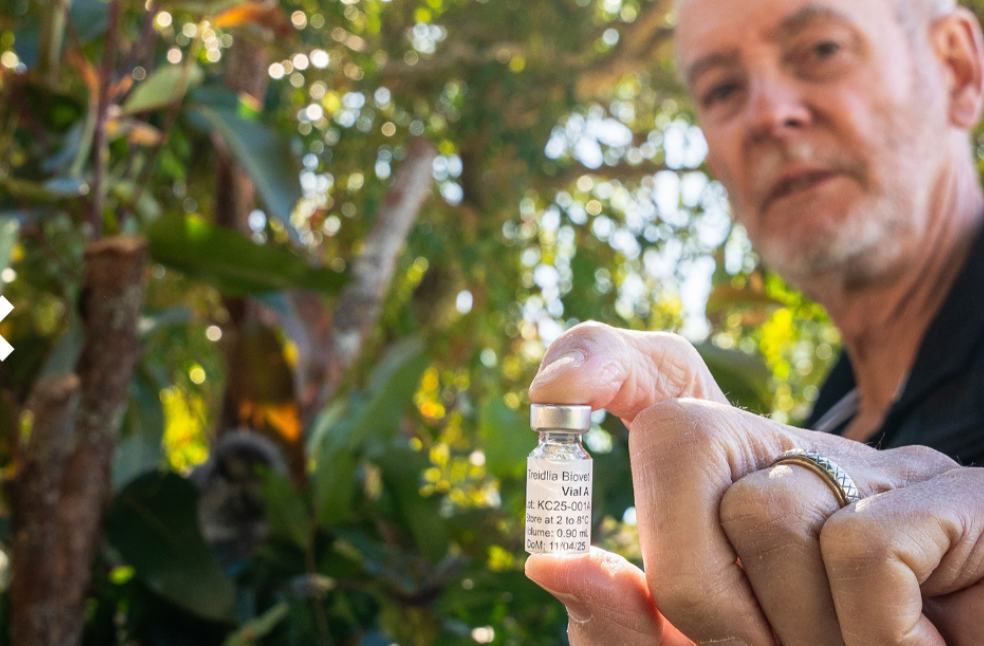
Brisbane: Australia has approved a koala chlamydia vaccine developed by scientists at the University of the Sunshine Coast (UniSC), marking a significant milestone in the fight to protect the endangered species.
The vaccine has been designed to curb a chlamydia epidemic that has decimated wild koala populations across eastern Australia, where infection rates in some colonies have reached as high as 70 percent.
Researchers stated that without intervention, several colonies were edging close to extinction. Professor Peter Timms explained that the vaccine approval followed over a decade of development and the largest trial ever conducted on wild koalas.
With regulatory approval secured, the research team now hopes to secure major funding to deliver the vaccine through wildlife hospitals, veterinary clinics, and directly to at-risk wild populations.
Chlamydia in koalas, unlike the human strain, spreads through close contact or mating and can cause severe health issues such as urinary tract infections, conjunctivitis, blindness, infertility, and in many cases, death. Both male and female koalas are vulnerable, and joeys can also contract the disease while feeding in their mother’s pouch.
Standard antibiotic treatment has often worsened outcomes, as it destroys essential gut bacteria needed to digest eucalyptus leaves, leading to starvation.
The vaccine, delivered as a single dose, has been tested on hundreds of wild koalas over a ten-year period. UniSC scientist Sam Phillips said that data showed it reduced the risk of developing symptoms during breeding age and decreased mortality in wild populations by at least 65 percent.
Researchers have expressed hope that the vaccine can be offered for free, with roll-out expected as early as January, provided sufficient funding is secured.
Experts stressed that the vaccine is not a complete solution, as habitat loss from land clearing, bushfires, urbanisation, and feral predators also threaten the species. Environment Minister Murray Watt said that while the vaccine would play a vital role in protecting future generations of koalas, the government remained focused on habitat restoration and monitoring efforts.
The New South Wales government has recently announced the creation of the Great Koala National Park, adding 176,000 hectares of protected land, an area roughly the size of Greater London. The park is expected to safeguard more than 12,000 koalas and provide a home for over 100 other threatened species.
Conservationists hope that a combination of medical intervention, habitat protection, and ongoing monitoring will help stabilize and eventually grow Australia’s koala population, which has fallen to around 50,000 in the wild. Without such measures, experts warn that koalas could face extinction in some states within a single generation.
POPULAR | Meta VR whistleblower allegations expose child safety risks
