


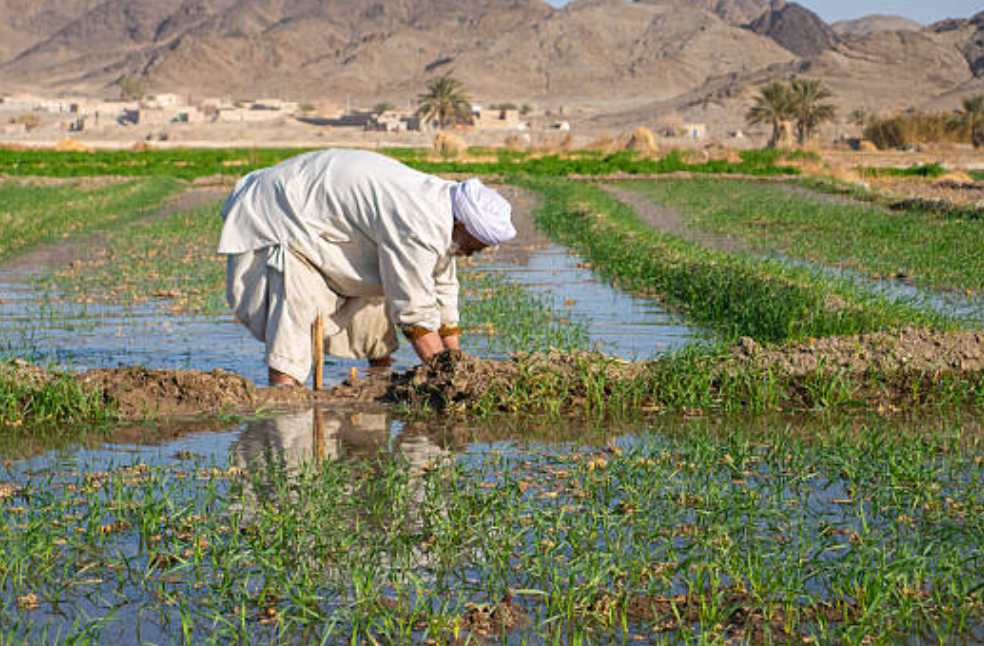
Amritsar: Punjab floods have brought catastrophic losses to farmers in northern India and Pakistan, with vast farmland submerged and livelihoods destroyed. The flooding has been described as the worst in more than three decades, causing heavy human and economic damage.
In India’s Punjab state, hundreds of thousands of acres of rice paddies, cotton, and sugar cane have been ruined under more than five feet of water. Farmers have said that both crops and homes are under threat after flood, with some families forced to live on rooftops to escape rising waters. Many cattle have drowned, leaving carcasses across villages and worsening health concerns.
Officials have confirmed that more than 43 lives have been lost and nearly 2,000 villages have been affected. Power cuts and lack of clean water have added to the crisis, while layers of mud and sand now cover submerged farmland. Farmers fear that the scale of destruction will push them into debt and force many to abandon agriculture altogether.
Local lawmakers have said that the government had prior warnings of extreme monsoon rains but failed to implement protective measures. This has led to criticism of inadequate disaster preparedness and lack of support for affected communities.
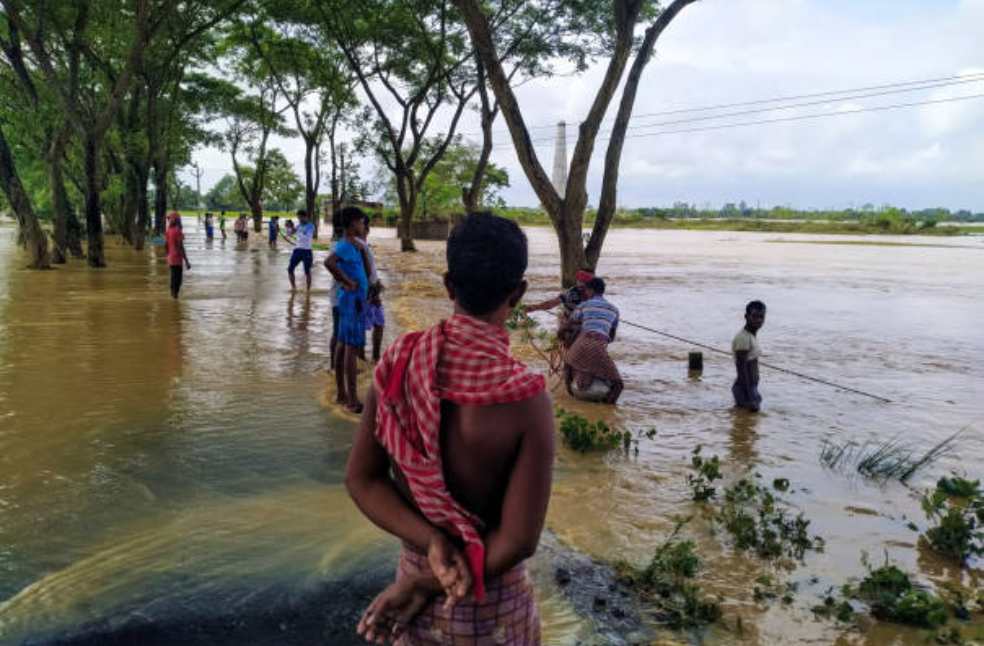
Across the border in Pakistan’s Punjab province, the situation has been even more severe, with almost 2 million people evacuated and more than 4,000 villages submerged. The overflowing Ravi and Chenab rivers have destroyed embankments, swept away farmland, and even ripped through fencing along the heavily militarised border.
Pakistani farmers have reported losses of millions of rupees, with many accusing the provincial government of negligence in constructing embankments and flood defences. In Lahore, even luxury housing developments near riverbanks have been inundated, raising questions about poor planning and unchecked construction in flood-prone zones.
Experts have pointed to climate change, deforestation, and rapid development along riverbanks as aggravating factors behind the escalating frequency of floods. Farmers on both sides of the border have warned that their livelihoods and the long-term sustainability of agriculture in the region are under threat.
Punjab, often referred to as the food bowl of India and Pakistan, is facing one of its darkest moments as its farmers struggle to rebuild. With agriculture employing nearly half of the population in both countries, the floods have highlighted the growing vulnerability of South Asia to climate-related disasters.
ALSO READ | Trump cuts tariffs on Japanese cars to 15 percent after trade deal
