


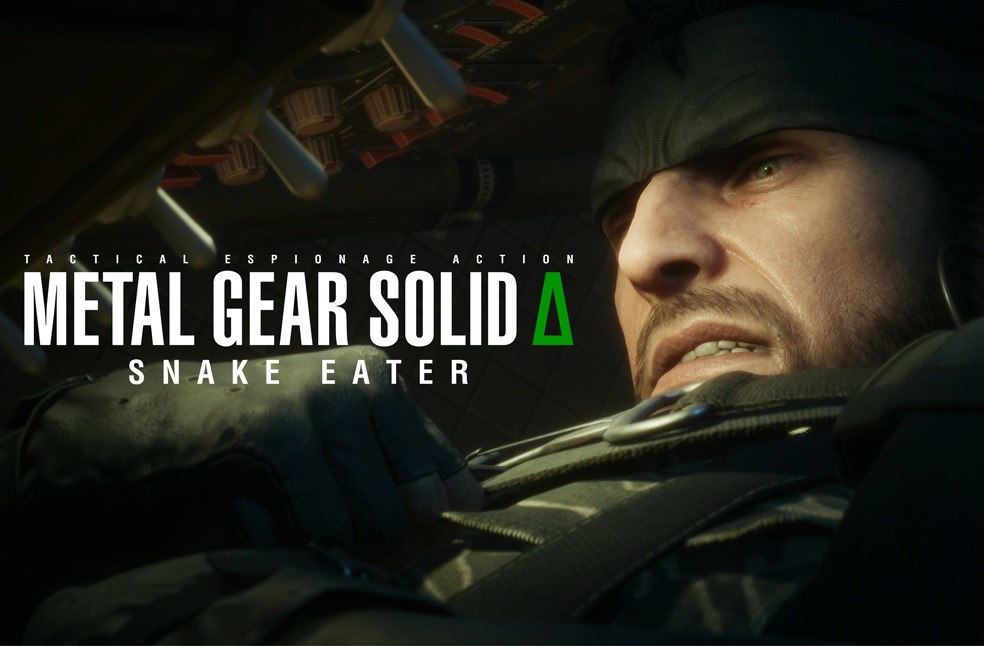
Tokyo: Metal Gear stands as one of the best-selling video game series in history, with over 60 million copies sold worldwide. The franchise gained fame for pioneering cinematic storytelling in gaming, utilizing cutscenes, dynamic camera angles, and voice acting to deliver movie-like experiences.
Unlike most games of its era, it explored weighty topics such as nuclear disarmament, child soldiers, and philosophical dilemmas, while also incorporating humor and unusual mechanics, including breaking the fourth wall and asking players to consult the physical game box for puzzle clues.
The series’ significance made it all the more shocking when creator Hideo Kojima left Konami in 2015 after an acrimonious split. The tension reportedly stemmed from the escalating cost of Metal Gear Solid V, which some estimates put at over $80 million, an extraordinary budget at the time.
Outsmart enemies with a well-timed diversion… ⁉️
#MetalGearSolid #MGSDelta pic.twitter.com/EHUWCLx8Zm— METAL GEAR OFFICIAL (@Metalgear) August 30, 2025
Konami appeared frustrated with Kojima’s high-spending style and even removed his studio’s name from promotional materials. While the game ultimately launched to critical acclaim and multiple awards, it was perceived as incomplete, with repeated missions and a missing third chapter.
The rift reached a boiling point when Konami prevented Kojima from attending an award ceremony to collect MGS V’s trophy, sparking industry outrage. Soon after, Kojima left, and Konami shifted away from big-budget console titles, redirecting its focus to mobile and amusement markets like pachinko machines.
This pivot also left other iconic franchises such as Castlevania and Silent Hill dormant for nearly a decade. Meanwhile, Kojima founded a new independent studio, signing a major deal with Sony and producing the critically acclaimed Death Stranding in 2019, followed by its sequel in 2025.

In recent years, the gaming industry has embraced remakes and remasters of classics, with hits like Resident Evil 4, Final Fantasy VII, Demon’s Souls, and most recently, Elder Scrolls V: Oblivion Remastered finding commercial success. Konami has followed this trend, reviving its legacy franchises with titles such as a Silent Hill remake in 2024 and Survival Kids in 2025. Now, the spotlight turns to Metal Gear Solid Delta, a remake of 2004’s Metal Gear Solid 3: Snake Eater.
Fans and experts widely view Snake Eater as a natural choice for revival. YouTuber Zak Ras explained that its position as a prequel at the beginning of the series timeline makes it ideal for newcomers, requiring no prior knowledge beyond the first 1987 Metal Gear.
The game’s James Bond-inspired opening, balanced gameplay, cinematic depth, and its emotional, gut-wrenching ending have cemented it as a fan favorite. Creators Python & Selkan, with 122,000 subscribers, called it one of the most impactful gaming experiences they’ve ever had, praising its emotional resonance.
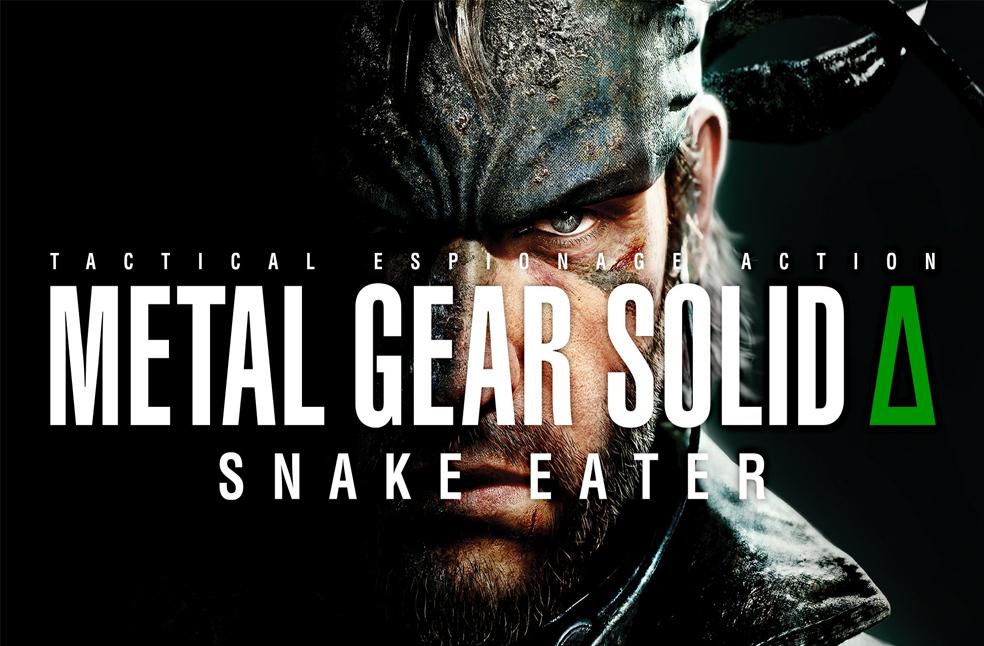
Early reactions to Metal Gear Solid Delta have been overwhelmingly positive. Fans highlight its faithful recreation with upgraded graphics, immersive audio, and lush jungle environments, while preserving original voice performances and offering both classic and modern control schemes. YouTubers and fans say the remake captures the essence of Kojima’s vision while benefiting from two decades of technical advancements.
Industry expert Christopher Dring noted that while Kojima’s absence looms large, his creative DNA is still strongly felt in the remake. He recalled Kojima’s earlier desire, even as far back as Metal Gear Solid 2, to eventually hand the series to others, a reality now fully realized.
For Kojima himself, however, there is no nostalgia: he humorously dismissed the idea of playing the remake. Still, for fans, Metal Gear Solid Delta represents both a faithful tribute to Kojima’s legacy and Konami’s return to blockbuster gaming, a decade after one of the industry’s most infamous splits.
ALSO READ | MacLean Brothers complete record-breaking Pacific Ocean row
