


Washington: The United States has suspended tariff exemptions for small delivery packages valued at $800 or less, a move that is set to end a decades-old loophole allowing more than one billion parcels to enter the country duty-free last year.
The change takes effect, followed by a six-month transition period to a new tariff regime. The suspension of the so-called de minimis exemption has already triggered widespread disruptions in global logistics.
More than 30 countries, including Australia, Germany, Japan, and Mexico, have halted or partially suspended package shipments to the US in anticipation of higher costs. Postal unions worldwide are demanding greater clarity on how the new tariffs will be calculated before normal services resume.
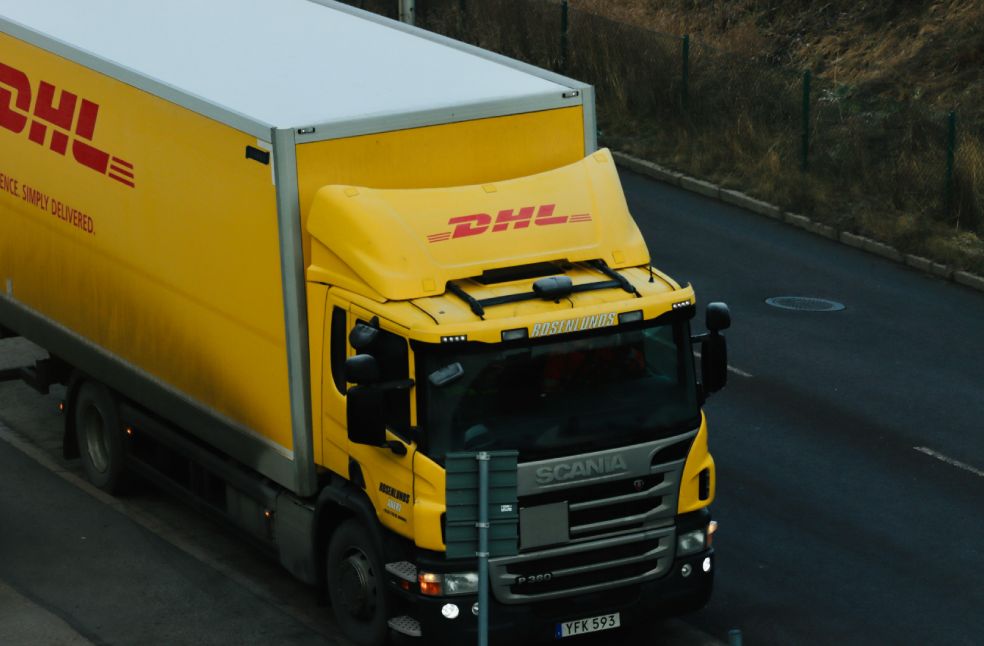
Major logistics provider DHL announced it would not ship standard business parcels to the US until ‘unresolved’ questions are answered, particularly over who will collect customs duties and how data will be transmitted to US Customs and Border Protection.
Andrew Cutajar@Pexels | Cropped by BH
According to a White House fact sheet released July 30, tariffs on small packages will be calculated under two options during the transition. The first option imposes a flat fee of $80 to $200 per item, depending on the country of origin. The second option ties duties to the declared value of the package and the ‘reciprocal’ tariff rate established by Washington. After six months, all small parcels will face tariffs of 10 to 40 percent for most countries.
Negotiations are still underway with key trade partners, including Mexico and China, on their reciprocal tariff rates. The White House argues the policy is necessary to reduce the US trade deficit and curb narcotics smuggling through international mail.
The de minimis exemption in place since the 1930s was raised from $200 to $800 in 2015, fueling the global e-commerce boom by enabling retailers to ship directly to American consumers. US customs data shows cross-border packages have surged tenfold in the past decade, reaching 1.36 billion in 2023.
The exemption also allowed Chinese fast-fashion giants like Shein and Temu to bypass tariffs imposed on Chinese goods during Donald Trump’s first term. With the latest move, the administration is aiming to close that loophole while reshaping the landscape of international online retail.
MOST READ | Japanese town proposes 2-hour daily smartphone limit for residents
