


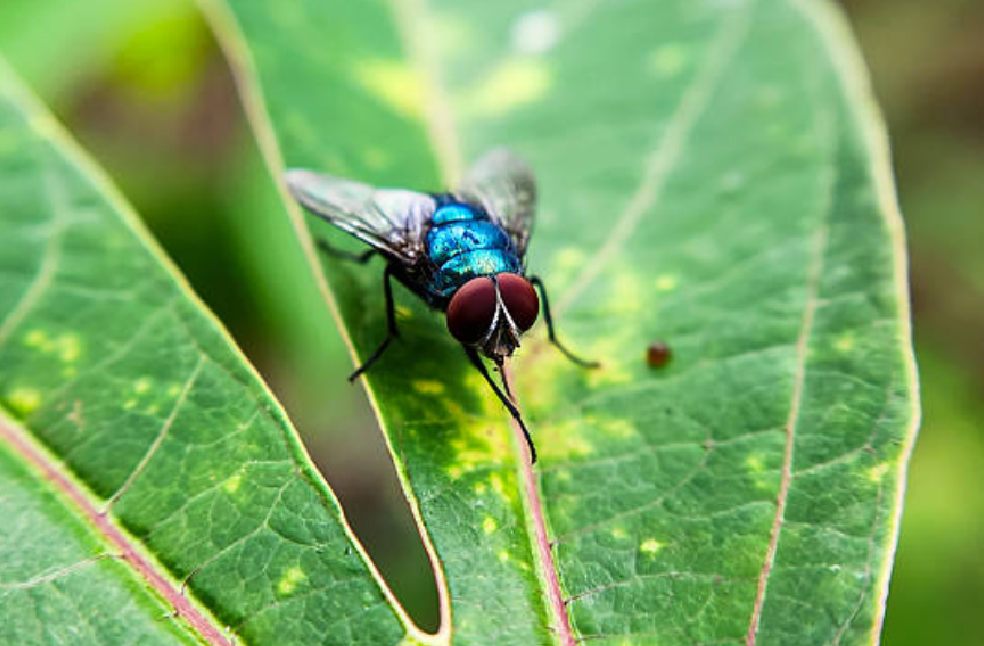
Mexico: Flesh-eating screwworm in Mexico has surged in recent weeks, with government data showing a 53 percent rise in infested animals in the four weeks leading to mid-August.
The outbreak has been concentrated in the southern states of Campeche and Chiapas, where both livestock and humans have been affected.
The New World screwworm (NWS), caused by fly larvae, typically infests cattle but has also been confirmed in dogs, horses, sheep, and humans. Local media reports indicate that dozens of people have received hospital treatment for infestations in affected regions.
The spread in Mexico follows confirmation of the first human case in the United States in a patient who had returned from El Salvador. The parasite was eradicated in the United States in 1966 and later in Mexico in 1991 through the release of sterile male flies.
🚨@HHSgov and @CDCgov recently confirmed a traveler-associated human case of New World screwworm (NWS) in the U.S. In support of CDC’s activities and out of an abundance of caution, USDA initiated targeted surveillance for NWS within a 20-mile radius of the affected area, and to… pic.twitter.com/JMVWUfImOi
— Dept. of Agriculture (@USDA) August 26, 2025
Female screwworm flies lay eggs in or near open wounds and mucous membranes such as the mouth, eyes, ears, and nose. Once hatched, the maggots feed on living tissue, burrowing into the wound. This condition, known as myiasis, can cause serious tissue damage and even be fatal if left untreated.
Health authorities have noted that while human fatalities remain rare, vulnerable groups including the elderly and those with pre-existing conditions face heightened risks. Mexico’s health ministry confirmed that an 86-year-old woman in Campeche died in July from skin cancer complicated by a screwworm infestation.
Rural communities and individuals working with livestock are considered the most at risk, given frequent exposure to infected animals. Preventive measures include keeping wounds clean and covered and using insect repellents when in rural areas.
The US Centers for Disease Control and Prevention has urged travellers returning from regions with confirmed infestations to watch for symptoms, which can include unexplained skin lesions, movement under the skin, or visible maggots in open wounds. Experts stress that early medical treatment is critical to prevent complications.
RELATED POST | First human case of flesh-eating Screwworm reported in US
