


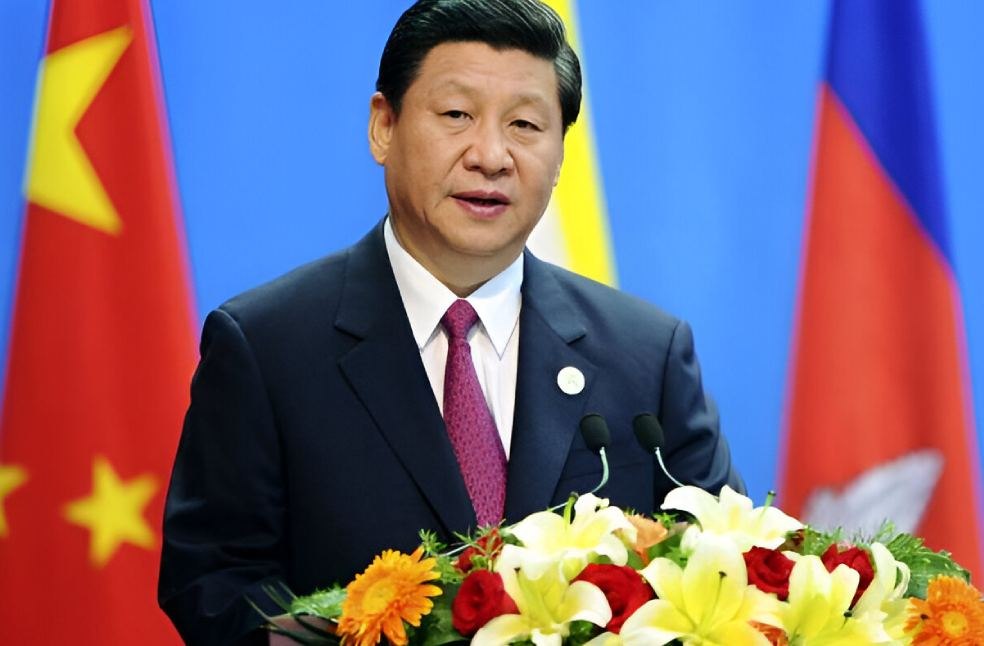
Beijing: China has confirmed that President Xi Jinping will host the largest Shanghai Cooperation Organisation (SCO) summit since its founding in 2001, bringing together over 20 leaders from Central Asia, South Asia, the Middle East, and Southeast Asia.
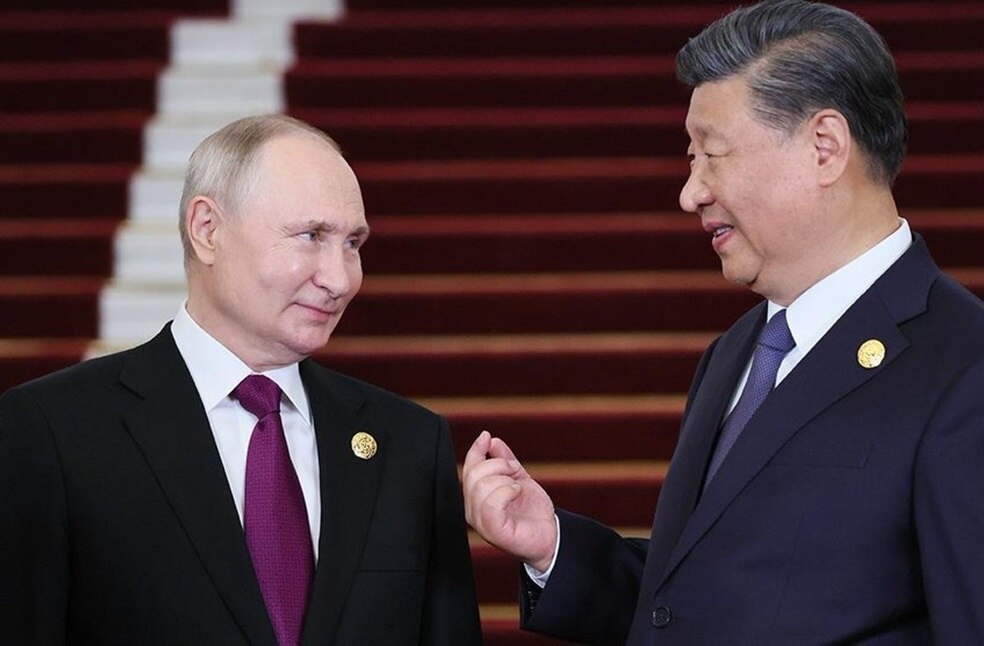
Russian President Vladimir Putin and Indian Prime Minister Narendra Modi are among the attendees, marking Modi’s first visit to China in over seven years. This visit follows efforts to ease tensions after deadly border clashes in 2020.
The summit, scheduled in Tianjin from August 31 to September 1, has underscored China’s strategy to present a post-American-led international order while supporting sanctions-hit Russia in a diplomatic context. Analysts note that the event demonstrates Beijing’s commitment to Global South solidarity amid unpredictable US policymaking.
Beyond security discussions, the SCO has expanded its remit from counter-terrorism to economic and military cooperation. While the bloc has grown to 10 permanent members and 16 dialogue and observer countries, experts suggest that its effectiveness in addressing major security issues remains limited.
Manoj Kewalramani, chairperson of the Indo-Pacific Research Programme at the Takshashila Institution, stated that the SCO is a platform with ‘increasing convening power’ that strengthens narrative projection but delivers few concrete outcomes.
Frictions remain among core members. India and Pakistan have had recent disputes affecting joint statements, and New Delhi has declined to join the SCO’s condemnation of Israeli actions against Iran earlier this year.
Nevertheless, China has emphasised the summit’s optics, showcasing unity among Global South nations and reinforcing its role in shaping multilateral diplomacy.
The Tianjin SCO summit in China provides a crucial platform for trilateral engagement between India, Russia, and China. This aligns with Beijing’s broader strategy of leveraging the organization as a cornerstone for regional cooperation and expanding its geopolitical influence.
POPULAR | Mass evacuation in Vietnam as typhoon Kajiki approaches coast
