


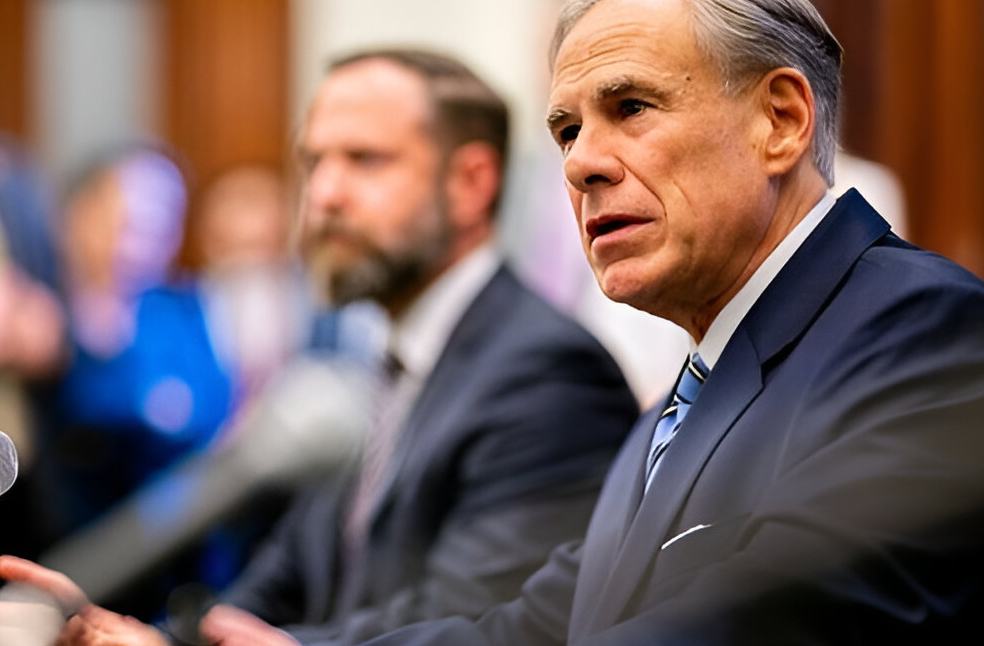
Austin: The Texas Senate has given final approval to a new Republican-leaning congressional map, sending it to Governor Greg Abbott for his signature.
The chamber passed the measure 18–11 along party lines shortly, following more than eight hours of heated debate. The new map, strongly backed by President Donald Trump, adds five districts expected to favour Republicans and is designed to help the GOP maintain its slim majority in the 2026 midterm elections.
Abbott, a Republican, is expected to sign the map swiftly, though Democrats have vowed to challenge it in court. The effort prompted state Democrats to stage a two-week walkout, further intensifying political tensions in Austin. Much of the drama unfolded in the Texas House. The standoff in Texas reflects a broader national redistricting battle, with states scrambling to redraw maps to gain an electoral edge.
In California, Democrats approved legislation for a November special election on a redrawn congressional map aimed at securing five additional House seats. Governor Gavin Newsom signed the measure, though it requires voter approval due to the state’s independent redistricting commission. Abbott dismissed California’s move as a joke, arguing that Texas’s map is constitutional while California’s would be overturned.
Trump has also urged Republican-led states such as Indiana, Missouri, and Ohio to pursue similar mid-decade redistricting efforts. While redistricting traditionally follows the census every 10 years, the US Supreme Court has ruled that the Constitution does not bar partisan gerrymandering, though it prohibits maps drawn on racial grounds.
The Texas redraw is already reshaping the 2026 race. Democratic Representative Lloyd Doggett, the state’s longest-serving member of Congress, announced he would not seek re-election if the new map takes effect. His Austin-area district would overlap with that of another Democrat, Rep. Greg Casar.
With Democrats just three seats away from reclaiming a House majority, the Texas map and similar moves across the country could prove pivotal in determining control of Congress.
MOST READ | WHO and WMO warn workers need urgent protection from heatwaves
