


London: The UK government has reportedly withdrawn its demand for Apple to create a ‘back door’ to access encrypted data from users worldwide, according to US Director of National Intelligence Tulsi Gabbard.
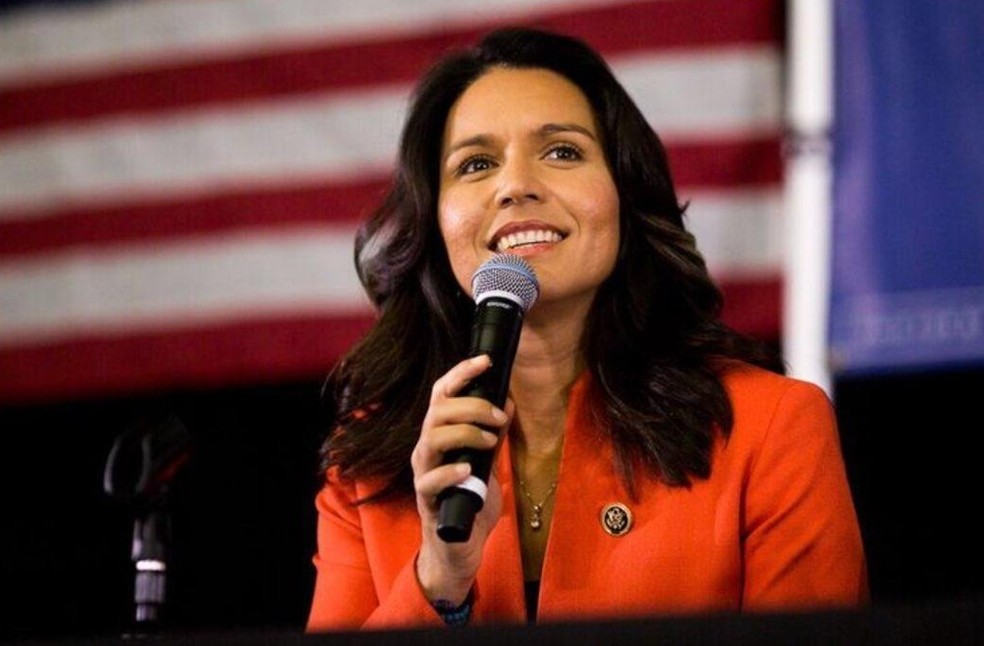
Writing on X, Gabbard said that the UK had abandoned its request that Apple weaken its security protections, warning such a move would have compromised the privacy of American citizens and undermined civil liberties.
Apple has not yet received official confirmation from either the US or UK governments. “We do not comment on operational matters, including confirming or denying the existence of such notices,” a UK government spokesperson said.
The spokesperson emphasized that the UK and US have long shared security and intelligence arrangements to combat serious threats such as terrorism and child sexual abuse, especially given the role of technology in enabling these crimes.
In December 2024, the UK issued Apple with a formal order under the Investigatory Powers Act, demanding access to encrypted user data globally. However, Apple’s Advanced Data Protection (ADP) feature prevents anyone, including Apple itself, from accessing users’ files once enabled. To comply, the company would have been forced to undermine its encryption.
Apple firmly rejected the demand and reiterated that, “We have never built a backdoor or master key to any of our products or services, and we never will.”
In response, the company withdrew ADP from the UK market and began legal proceedings to challenge the order, with a tribunal hearing scheduled for early 2026. It remains unclear whether that case will still proceed.
Because of the secrecy surrounding such government directives, it is not known if other technology companies received similar notices. WhatsApp, widely used in the UK, has noted that it has not been approached with such demands.

Privacy and civil rights groups reacted with cautious optimism. “If true, this decision is hugely welcome,” said Sam Grant from civil rights group Liberty, which, along with Privacy International, previously launched separate legal action against the UK government.
Grant remarked that the creation of a back door to citizens’ private data would be a “reckless and potentially unlawful move from the government. As long as this power exists within the Investigatory Powers Act, it remains a risk that any future government might also try to use it to create a back door into other end-to-end encrypted services we all use.”
Jim Killock, Executive Director of the Open Rights Group, echoed these concerns and emphasized that, “The UK’s powers to attack encryption are still on the law books, and pose a serious risk to user security and protection against criminal abuse of our data.”
The situation is further complicated by the existing US-UK Data Access Agreement, which already allows both governments to share user data for law enforcement purposes.
MOST READ | GST Overhaul: India to lower taxes on small cars, insurance
