


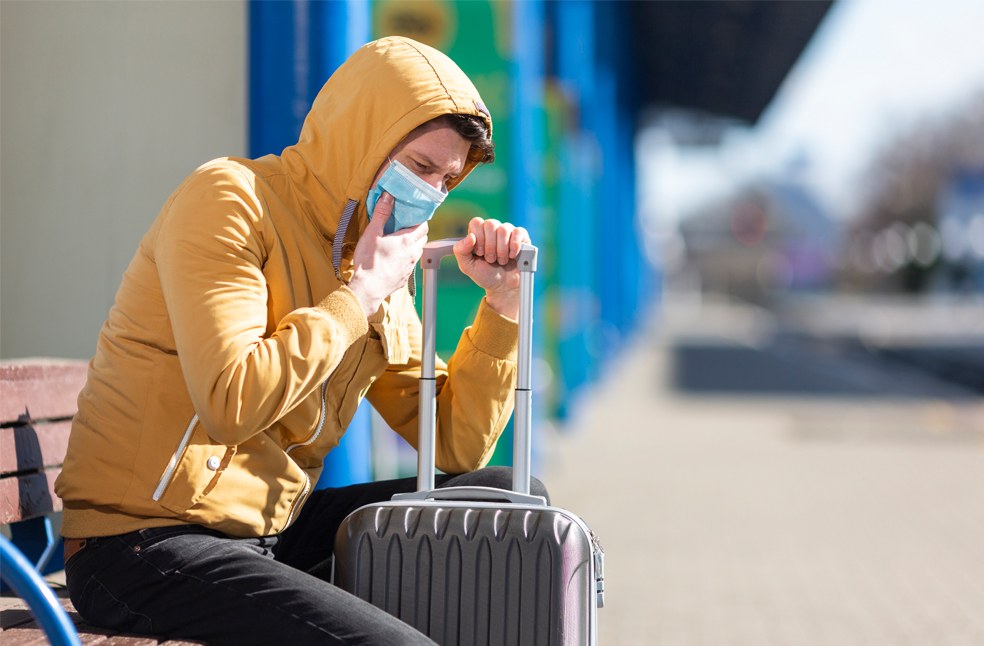
London: Travellers to the UK are being warned about mosquito-borne illnesses after a rise in chikungunya infections among those returning from abroad, alongside the first confirmed cases of the emerging Oropouche virus, the UK Health Security Agency (UKHSA) reported.
Chikungunya causes sudden fever and debilitating joint pain, which can last from a few days to several weeks, and in some cases even months or years. Its name comes from a Tanzanian word meaning ‘that which bends up,’ referencing the severe joint pain it can induce. Most people recover fully, but the disease can occasionally lead to prolonged symptoms.
So far this year, the UK has reported 73 chikungunya cases, mostly in London, linked to travel to Sri Lanka, India, and Mauritius. This is a significant increase from the 27 cases recorded during the same period last year.
Oropouche virus is a lesser-known tropical infection that’s been spreading across Central and South America in recent years. It's carried by midges, although not those found in the UK or wider Europe.
Full details in our travel health news story: https://t.co/9WBoWnuY9r pic.twitter.com/MqpsaBHo9R
— UK Health Security Agency (@UKHSA) August 14, 2025
The virus is transmitted by mosquito bites in tropical and subtropical regions and cannot spread directly from person to person in the UK, as the responsible mosquitoes are not present locally.
Dr. Philip Veal, a consultant in public health at UKHSA, described chikungunya as a ‘nasty disease’ and called the increase in cases ‘worrying.’ Dr. Veal advised travellers to take precautions such as using insect repellent, covering exposed skin, and sleeping under insecticide-treated bed nets. Two vaccines for chikungunya are available in the UK through private travel clinics.
What is Oropouche?
The first cases of Oropouche virus have also been confirmed in the UK, all linked to travel to Brazil. Spread by midges and mosquitoes, Oropouche was first identified in Trinidad and Tobago in the 1950s and was historically confined to the Amazon region. However, cases have increased since 2023, appearing in countries such as the Dominican Republic, Cuba, and Peru.
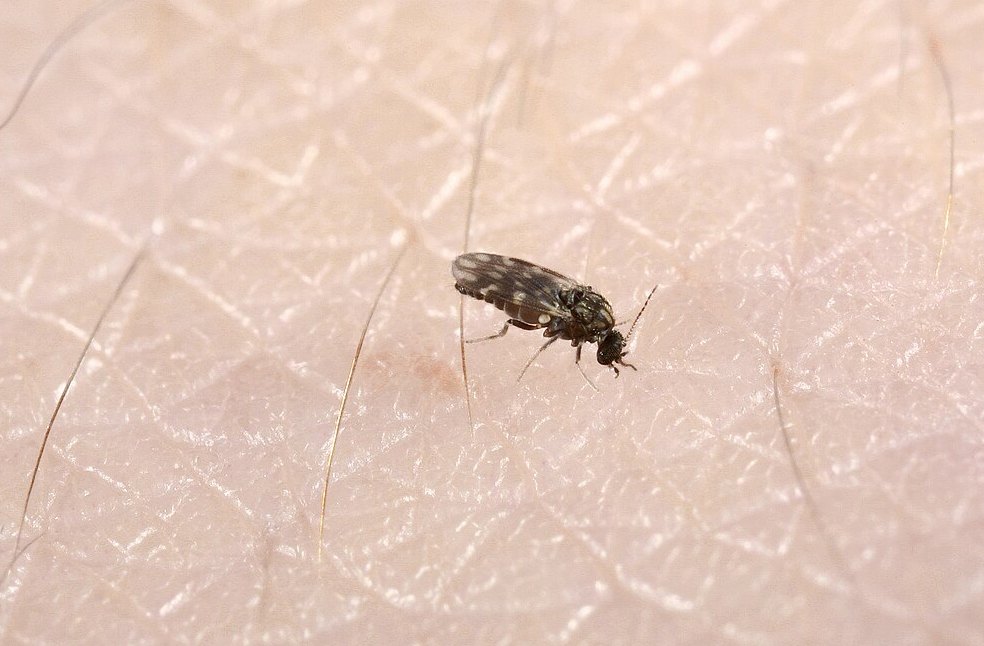
Symptoms of Oropouche virus include fever, headache, muscle and joint pain, nausea, and vomiting. While most people recover naturally, severe illness can occur in the elderly or individuals with weakened immune systems, who are advised to seek urgent medical attention if symptoms develop after travel to Central or South America or the Caribbean.
Both chikungunya and Oropouche serve as reminders for travellers to be vigilant about mosquito protection when visiting affected regions.
MOST READ | UK expands Police LFR vans to catch serious offenders
