


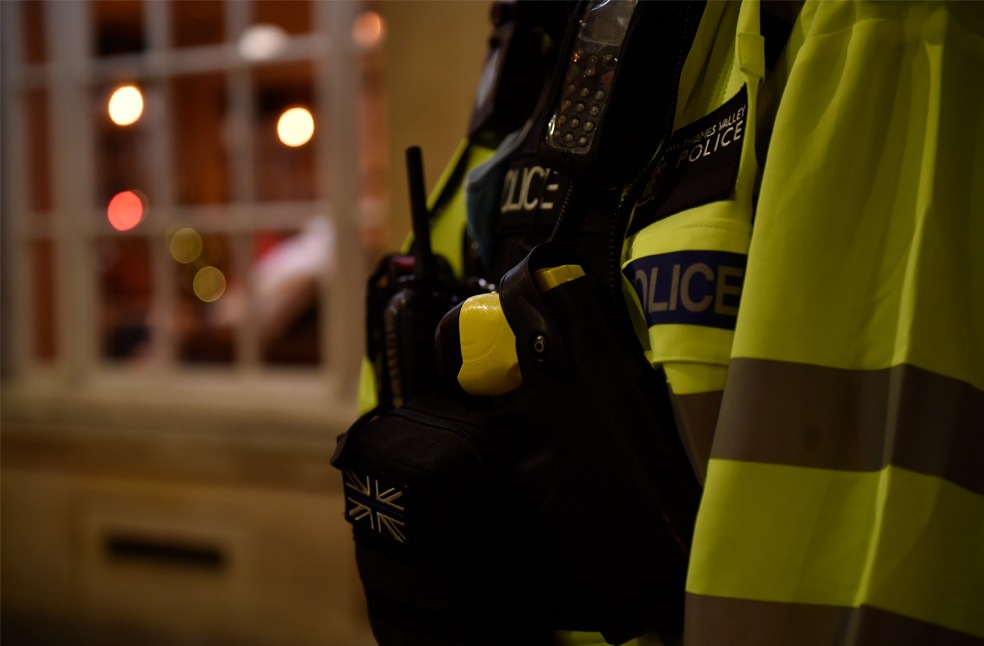
London: The UK government is set to significantly expand police use of live facial recognition (LFR) technology to apprehend more serious offenders, Home Secretary Yvette Cooper has announced.
Ten LFR vans will be deployed by seven police forces across England, Greater Manchester, West Yorkshire, Bedfordshire, Surrey and Sussex (jointly), and Thames Valley and Hampshire (jointly), to identify suspects such as sex offenders and individuals wanted for the most serious crimes.
According to the Home Office, the vans will only be deployed based on ‘specific intelligence’ and will operate under strict guidelines set by the College of Policing.
Each operation will use bespoke watch lists, and trained officers will verify every match generated by the cameras before action is taken. The LFR technology has previously been trialled in London and South Wales, where the Metropolitan Police reported 580 arrests in 12 months for offences including rape, domestic violence, and knife crime.
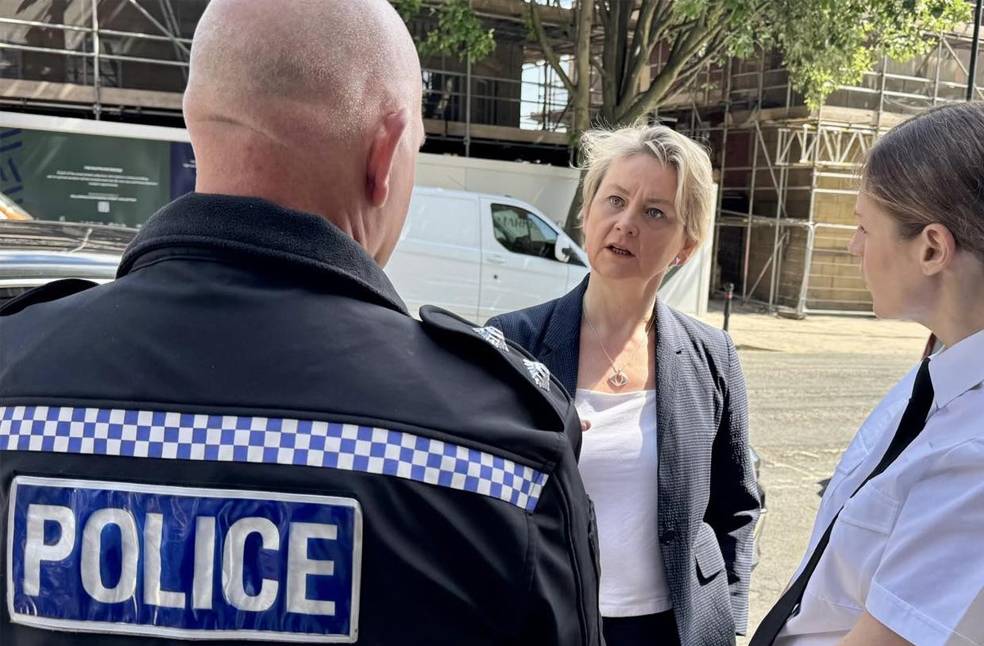
Cooper said that the government is committed to ensuring ‘proper safeguard’ and will launch a public consultation on the use and regulation of the technology. Feedback will shape a new legal framework to govern LFR use. The Home Office also cited independent testing by the National Physical Laboratory, which found the technology to be accurate and free from bias related to ethnicity, age, or gender.
However, human rights organisations have condemned the plans. Amnesty International UK urged the government to scrap the expansion entirely, warning that LFR is ‘dangerous and discriminatory,’ with higher risks of misidentification and wrongful arrest, particularly for people of colour. Alba Kapoor, Amnesty’s racial justice lead, stressed that the technology is less accurate when scanning faces from minority communities.
Liberty, the civil liberties charity, welcomed the decision to establish a statutory framework but insisted it should be in place before expanding the rollout, arguing there is ‘no reasonable excuse’ to increase surveillance without public input and legal safeguards. The group highlighted that over 1.6 million faces have been scanned in South Wales alone, mostly during football match days in Cardiff city centre.
Despite criticism, the National Police Chiefs’ Council’s Lindsey Chiswick has said that the expansion “is an excellent opportunity for policing,” and will help officers locate suspects “quickly and accurately.”
MOST READ | AOL to end dial-up internet in September; Marking 30 years
