


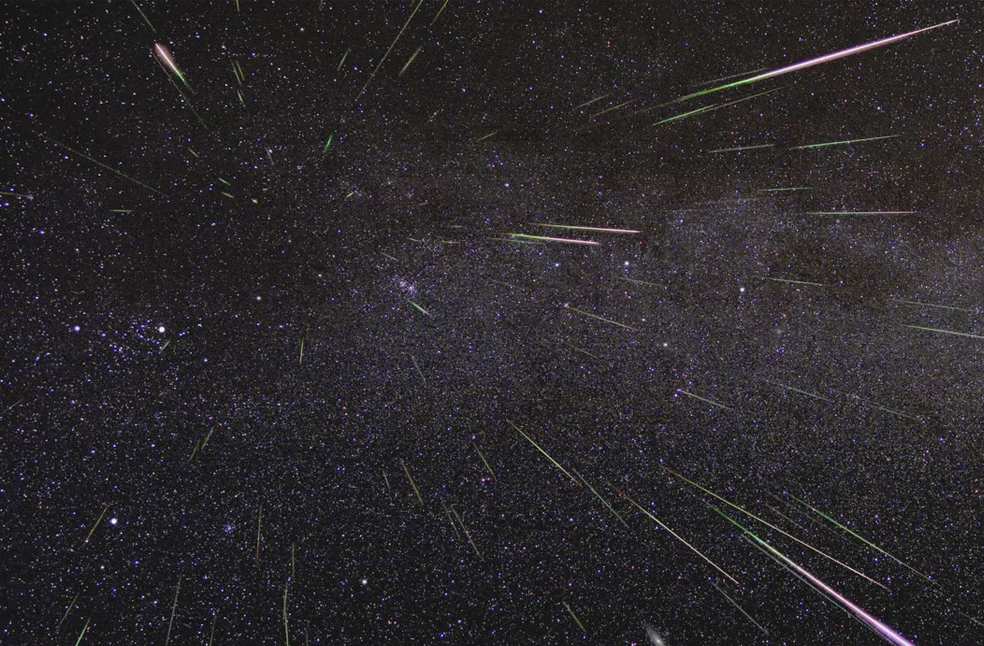
London: The Perseids meteor shower, described by NASA as the ‘most popular meteor shower of the year,’ is set to reach its peak on 12 August, offering up to 100 meteors per hour, including bright streaks and colourful fireballs.
The annual celestial event, active from 17 July to 24 August, is caused by Earth passing through a dust cloud left behind by Comet Swift-Tuttle. The meteors, smaller than a grain of sand, burn up in the atmosphere at 36 miles per second, producing striking light trails.
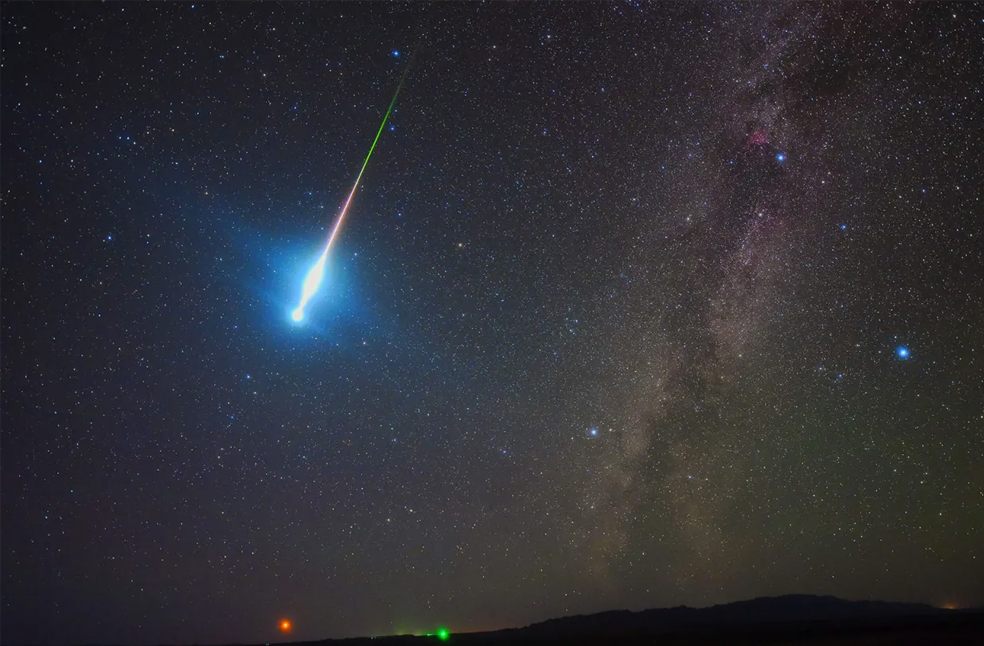
Named after the constellation Perseus, from which the meteors appear to originate, the Perseids are also known for their fireballs, larger bursts of light and colour that last longer than typical meteor streaks. Last year, the display was visible alongside the Northern Lights in parts of the UK.
New month = new night sky sights 🔭
In August, you'll have the chance to spot several planets, as well as the Dumbbell Nebula! The Perseids peak on the night of Aug. 12-13, but the Moon will be nearly full and will wash out all but the brightest meteors: https://t.co/DUShjWvg6O pic.twitter.com/y9o4VYpiK8
— NASA (@NASA) August 4, 2025
According to the Royal Observatory, meteor activity will build nightly until the peak. Observers in the UK can spot Perseids Meteor Shower as early as sunset on 12 August, although the best viewing will be between midnight on August 11 and 5:30 am on the 12th. Adding to the spectacle, Jupiter and Venus will be at their closest on August 11 and 12, just one degree apart, shining brightest before sunrise.
The only drawback this year is the moon’s brightness, at 84 percent illumination during the peak, which may wash out fainter meteors. NASA advises standing behind a tall building or tree to block glare. To maximise visibility, experts recommend avoiding light-polluted, built-up areas and seeking open, unobstructed views. Ideal locations include hilltops in the countryside or coastal areas.
Meteorite expert Dr. Ashley King from London’s Natural History Museum notes that patience is essential, eyes can take up to 10 minutes to adjust to darkness. Using a red-light torch can help preserve night vision without causing strain. “Once you get used to the low light levels, you’ll begin to notice more and more, so don’t give up too quickly,” Dr. King added.
The Perseids will remain active until 24 August, offering stargazers several more chances to catch the dazzling display if peak night conditions prove challenging.
ALSO READ | Italians avoid costly beaches; Flock to mountains this summer
