


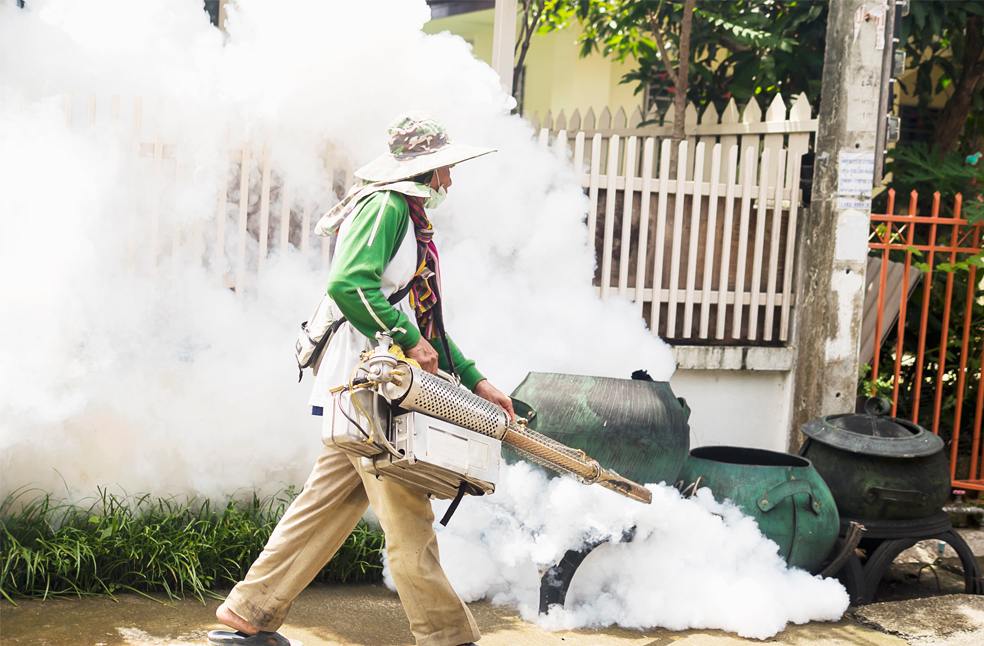
Beijing: China is responding to a growing outbreak of chikungunya in Guangdong province, where over 7,000 cases have been reported since July.
The mosquito-borne virus, known for causing fever and severe joint pain that can linger for years, has triggered strict health protocols, reminiscent of COVID-19 control efforts.
Foshan city, the epicenter of the outbreak, has enforced hospitalisation for all chikungunya patients, who must remain under mosquito nets and can only be discharged after a week or once they test negative. Although the virus does not spread from person to person, it can be transmitted when a mosquito bites an infected individual and then bites others.
Cases have been confirmed in at least 12 other cities across Guangdong, with nearly 3,000 reported in the past week alone. Hong Kong recorded its first case on August 4, a 12-year-old boy who had travelled to Foshan in July and later developed fever, joint pain, and a rash.
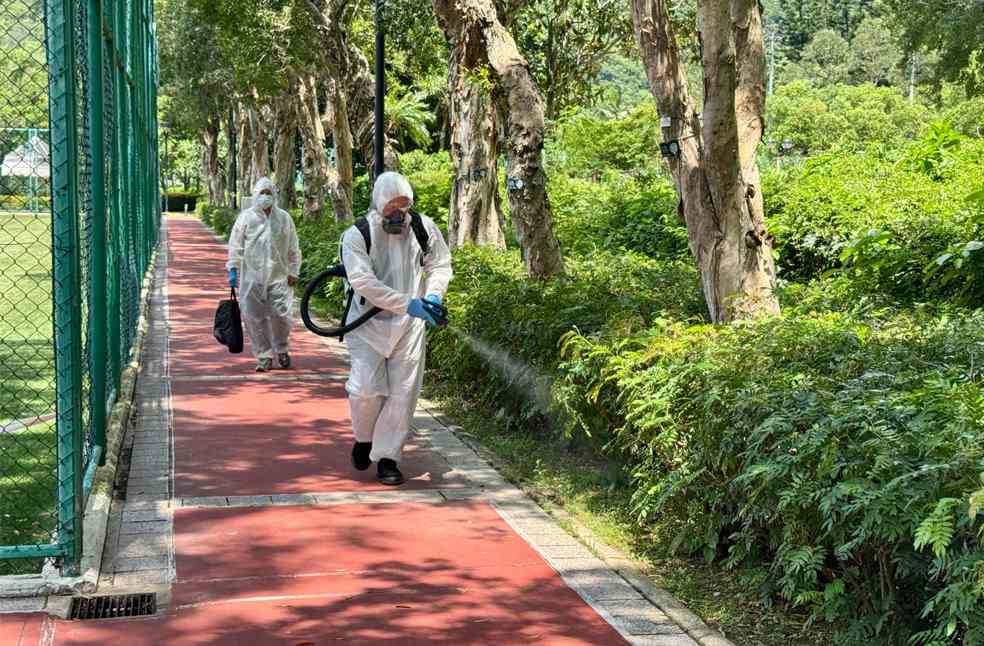
Despite all reported cases in China being mild, 95 percent of patients recovered within a week, the unfamiliarity with chikungunya in the country has sparked public concern.
Measures taken by authorities
In response, Chinese health authorities are taking aggressive steps to curb the spread. Residents have been instructed to eliminate stagnant water sources, such as in flowerpots or old containers, or risk fines of up to 10,000 yuan (approximately $1,400).
Cities are deploying drone surveillance to detect potential mosquito breeding grounds and releasing mosquito-eating fish into lakes. Authorities are also introducing larger ‘elephant mosquitoes,’ a species that preys on the smaller mosquitoes responsible for spreading chikungunya.
While some cities initially imposed a 14-day home quarantine on travelers from Foshan, this restriction has now been lifted. The heightened vigilance, however, has drawn comparisons to China’s strict COVID-19 lockdowns, with some questioning the necessity of such extensive measures given that humans don’t transmit the virus through direct contact.
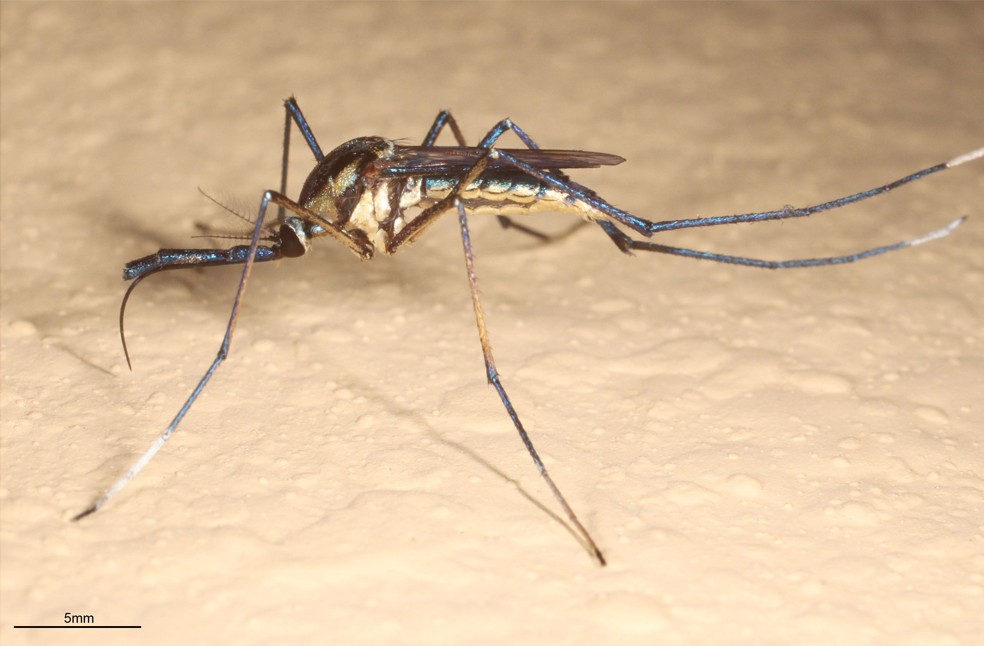
What is Chikungunya?
Chikungunya, first identified in Tanzania in 1952, is now found in over 110 countries and is common in South and Southeast Asia as well as parts of Africa. Symptoms typically appear 3 to 7 days after infection and include fever, joint and muscle pain, rash, swollen joints, and headache.
Most recover within a week, but joint pain may persist for months or even years in some cases. Vulnerable groups such as infants, the elderly, and people with chronic illnesses are at greater risk of complications. There is no known cure, but fatalities remain rare.
The World Health Organization emphasizes that the most effective preventive measure is eliminating stagnant water where mosquitoes breed.
MOST READ | Lancet report sounds alarm on global plastics crisis
