


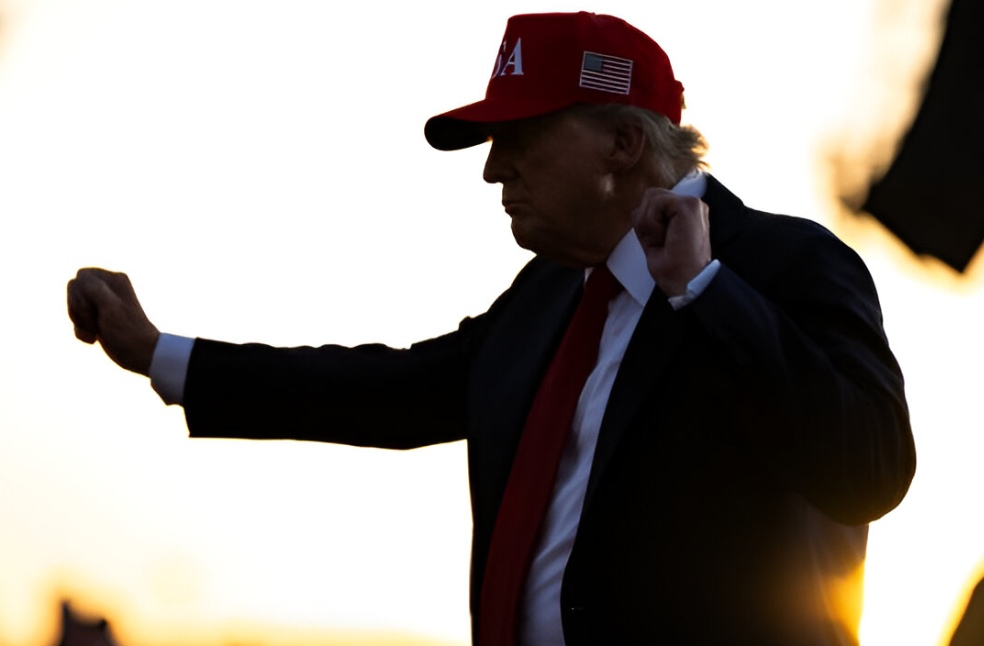
Washington: India could face tariffs as high as 25 percent on its exports if it fails to strike a trade agreement with the United States by August 1. US President Donald Trump has warned, raising the stakes in ongoing trade talks between the two countries.
Trump stated that, “Yeah, I think so. India has charged basically more tariffs than almost any other country. But now I’m in charge, and you just can’t do that.”
The US administration has imposed a deadline for India and several other trading partners to finalise agreements or face increased tariffs. While discussions have been ongoing for months, there has been no breakthrough yet, with both sides alternating between cautious optimism and guarded silence.
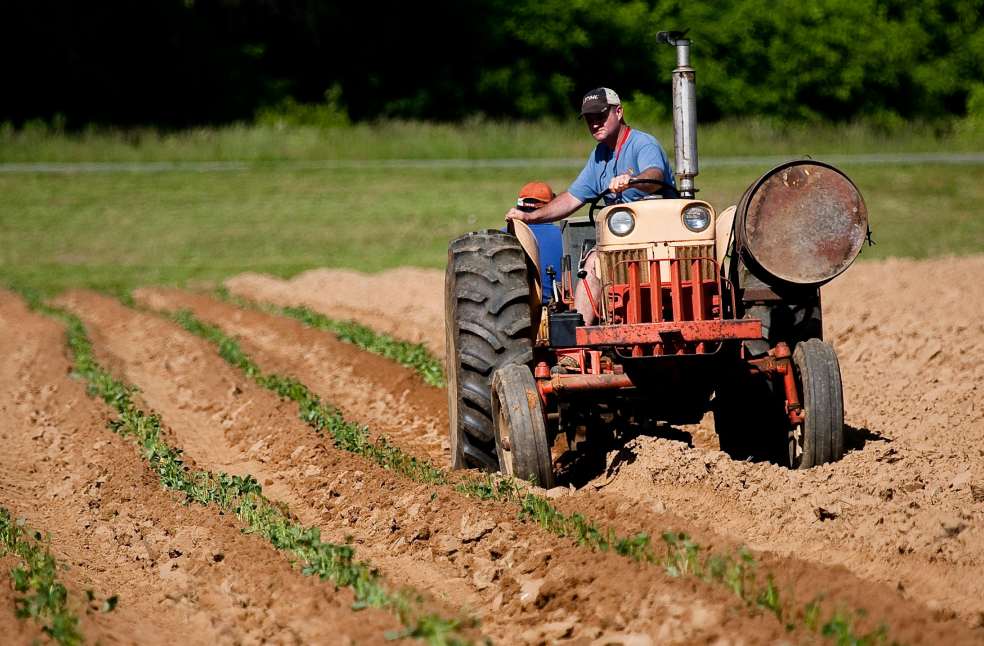
Officials say that agriculture and dairy remain among the biggest sticking points. The US has long sought deeper access to India’s heavily protected farm sector, but New Delhi has consistently defended its agricultural policies, citing food security and the livelihoods of millions of smallholder farmers.
India’s Commerce Minister Piyush Goyal reiterated the country’s stance, describing agriculture as a sensitive area. The US Trade Representative Jamieson Greer acknowledged that talks with India had been constructive but cautioned that India’s trade policy has long been protectionist.
Mark Stebnicki@Pexels | Cropped by BH
Trade tensions between the two countries are not new. Trump has frequently criticised India for what he sees as unfair trade practices, calling it a tariff king and a big abuser of trade ties. In April, he announced tariffs of up to 27 percent on Indian goods, although these were later paused to give talks a chance.
Despite some tariff reductions by India, including on Bourbon whiskey and motorcycles, the US still runs a $45 billion trade deficit with India, which Trump wants to narrow.
Until recently, the US was India’s largest trading partner, with bilateral trade reaching $190 billion in 2024. Both Trump and Indian Prime Minister Narendra Modi have expressed ambitions to more than double this figure to $500 billion in the coming years.
If a deal fails to materialise before the August 1 deadline, Trump is expected to proceed with imposing higher tariffs — a move that could further strain relations and impact sectors from textiles to pharmaceuticals.
MOST READ | Australia adds YouTube to world’s 1st social media ban for under-16s
