


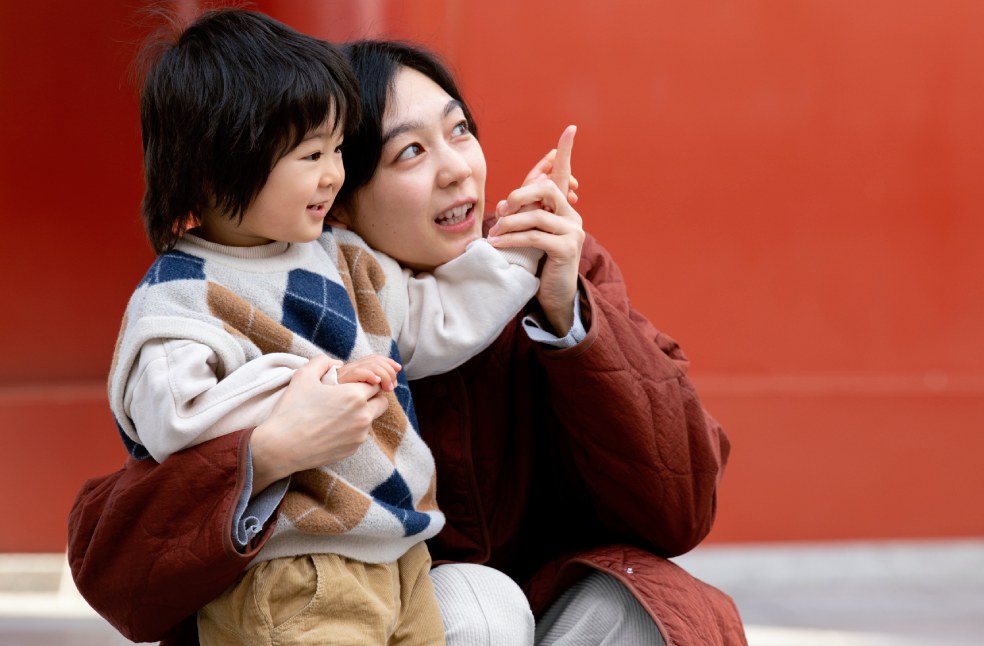
Beijing: China has launched its first nationwide child subsidy programme to combat its declining birth rate and growing demographic challenges.
Under the new scheme, parents will receive $500 (3,600 yuan; £375) annually for each child under the age of three, helping offset the high costs of childrearing. The initiative, announced, will be retroactively applicable from the start of 2025 and could benefit around 20 million families across the country. Families with children born between 2022 and 2024 will also be eligible for partial payouts.
The subsidy is part of a broader government effort to tackle the country’s population decline, which has continued despite the lifting of the one-child policy nearly a decade ago. In 2024, China’s population fell for the third consecutive year, raising concerns about a shrinking and ageing workforce in the world’s second-largest economy.
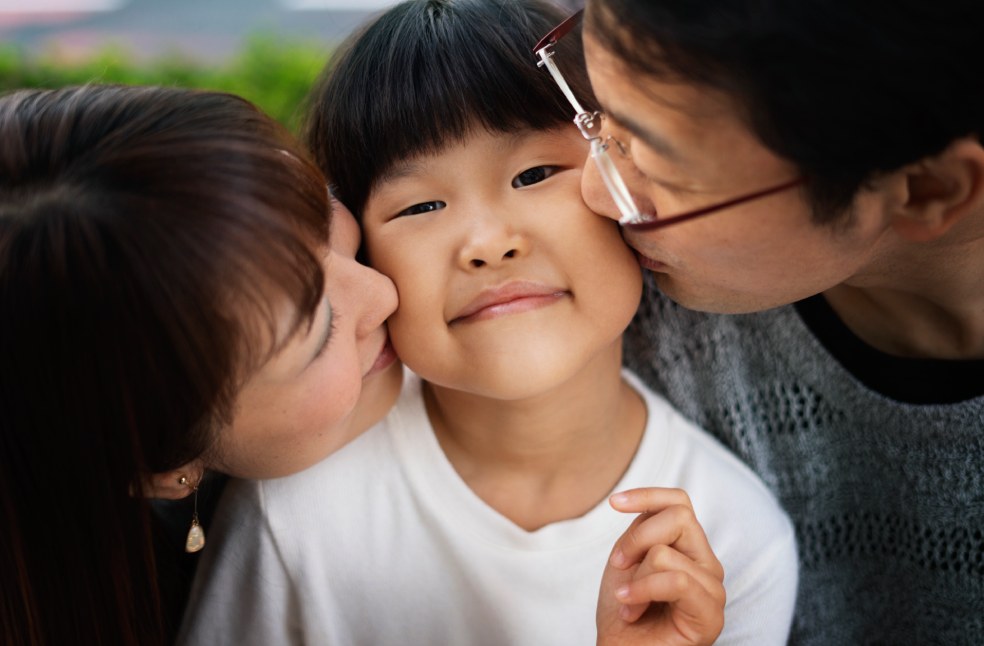
Local governments have previously trialled various financial incentives to encourage larger families. Earlier this year, the city of Hohhot in northern China began offering residents up to $13,931 (100,000 yuan) for each baby, provided they already have at least three children.
The new nationwide policy aims to address the economic burden of parenting in China, where raising a child to the age of 17 costs an average of $75,700, according to a study by the YuWa Population Research Institute. The study ranks China among the world’s most expensive countries for raising children relative to income.
With the subsidy now in place, authorities hope to stabilize the birth rate and address the long-term implications of an ageing population.
TRENDING | Landslide kills 4 in Northern China as heavy rain triggers floods
