


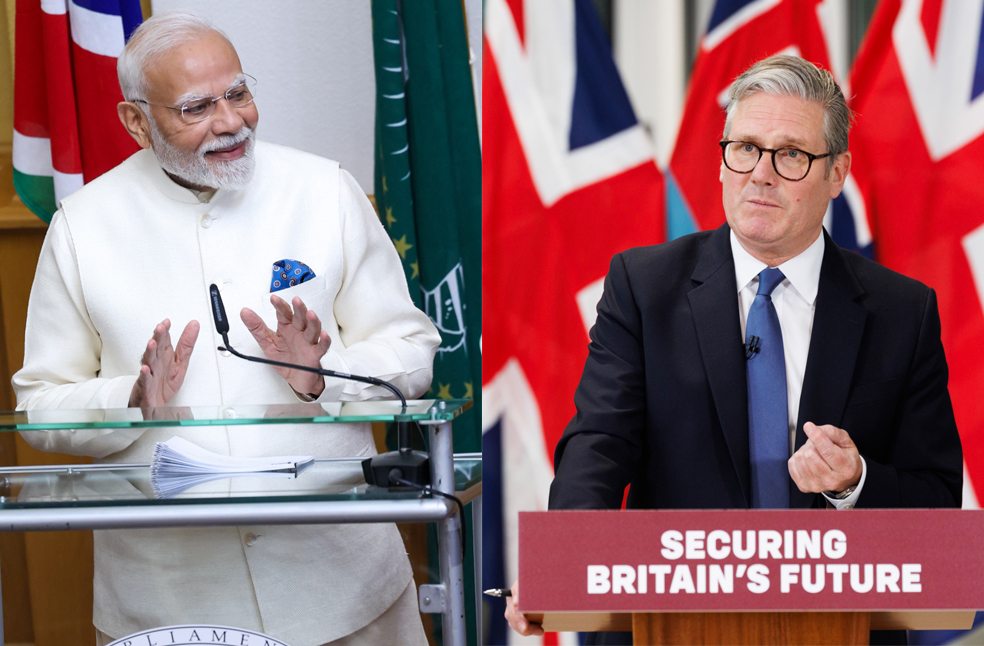
London: Indian Prime Minister Narendra Modi is on a landmark two-day state visit to London to finalise a free trade agreement (FTA) with the United Kingdom, a deal regarded as a strategic economic and political milestone for both nations during global trade turbulence, partly driven by US President Donald Trump’s protectionist measures.
The pact is highly significant for the UK, which is looking to secure a major post-Brexit trade victory. It represents Britain’s most economically substantial agreement since leaving the European Union. For India, it is the country’s first large-scale free trade accord beyond Asia. This move underscores a shift in its traditionally protectionist approach to global trade and signals a long-term economic alliance with the UK.
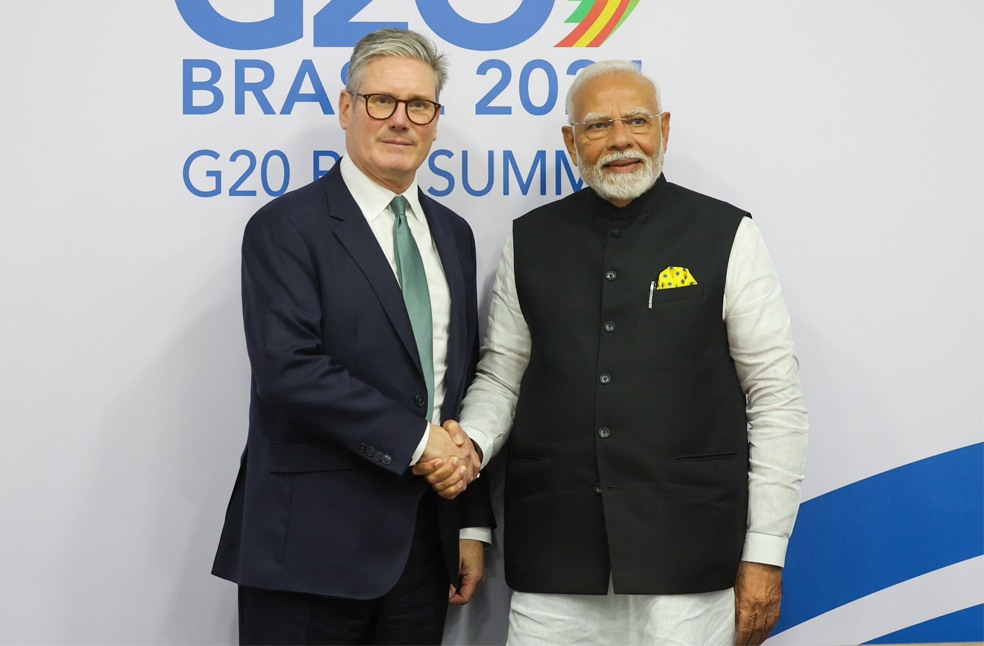
Modi’s fourth visit to the UK as prime minister began on July 23. According to a statement from the Indian government, the agenda includes ‘wide-ranging’ discussions with UK Prime Minister Keir Starmer on trade, defence cooperation, security, and technological partnerships. Modi is also scheduled to pay a courtesy visit to King Charles during the trip.
India emerged strong from the intense negotiations, securing several critical concessions. These include more flexible work visa rules for Indian nationals, mutual recognition of professional qualifications, and exemptions from UK national insurance contributions for temporary Indian workers, longstanding points of contention between the two countries.
Exports and tariff cuts
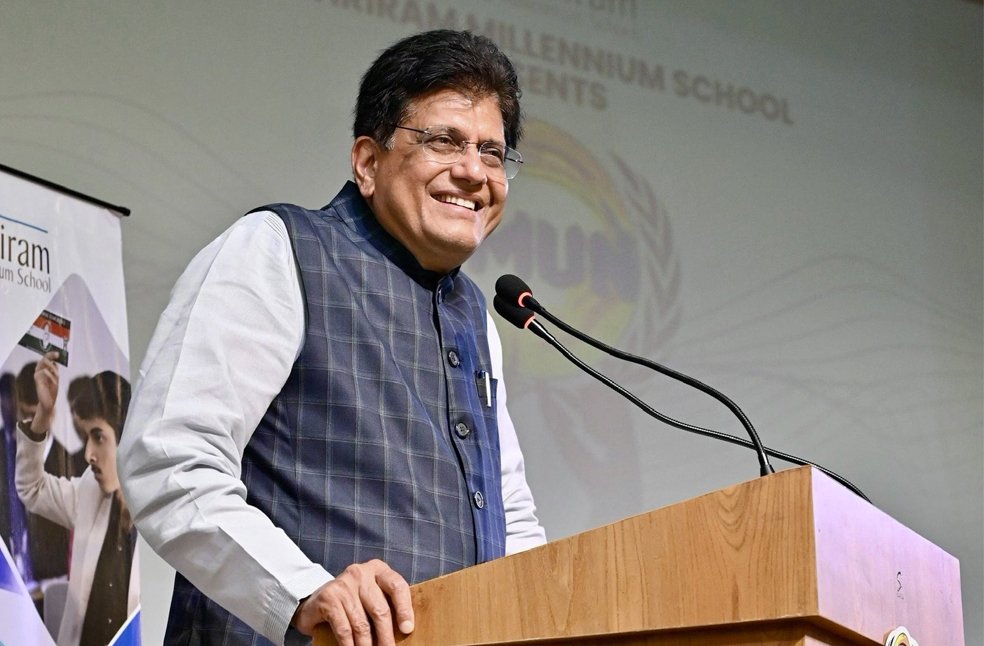
Modi, accompanied by Commerce Minister Piyush Goyal, who led India’s negotiation team, is framing the deal as a reflection of India’s growing global influence. However, while the agreement has been signed, it still requires ratification by both countries’ parliaments, delaying implementation until at least mid-2026.
Under the new trade agreement, 99 percent of Indian exports to the UK will become tariff-free. Key beneficiaries include India’s gems and jewellery, textiles, garments, processed foods, leather, and engineering goods sectors.
In exchange, the UK will see phased reductions on 90 percent of its exports to India. For instance, duties on Scotch whisky, currently at 150 percent, will drop to 75 percent immediately and further decrease to 40 percent over ten years.
British-made cars, which currently face tariffs of over 100 percent, will benefit from a quota-based system under which duties will be reduced to 10 percent. Other UK industries to benefit include medical devices, pharmaceutical products, electronics, and aircraft components.
The Indian government sees the trade agreement as a catalyst to re-energise its ‘Make in India’ campaign and attract renewed foreign direct investment, which has recently slowed.
Importantly, India excluded its vast agricultural sector, which employs over 40 percent of the national workforce, from the agreement. Agriculture remains a politically sensitive industry and was treated as a red line during negotiations, similar to its position in India’s stalled trade talks with the United States.
However, not all issues were resolved. Financial and legal services remain excluded from the deal, as both sides have yet to finalise a separate bilateral investment treaty that would offer protections to investors.
Another contentious topic, Britain’s proposed carbon border adjustment mechanism (CBAM), a policy aimed at taxing imports from countries with lower environmental standards, was left out of the agreement. India views CBAM as unfair to developing economies and fears it could severely undermine the trade benefits for Indian exporters.
While the trade agreement marks a historic milestone and redefines economic ties between India and the UK, analysts agree that its real impact will depend on how both countries navigate unresolved issues, regulatory fine print, and domestic political backlash in the months to come.
ALSO READ | India’s Vice President Jagdeep Dhankhar resigns citing health
