


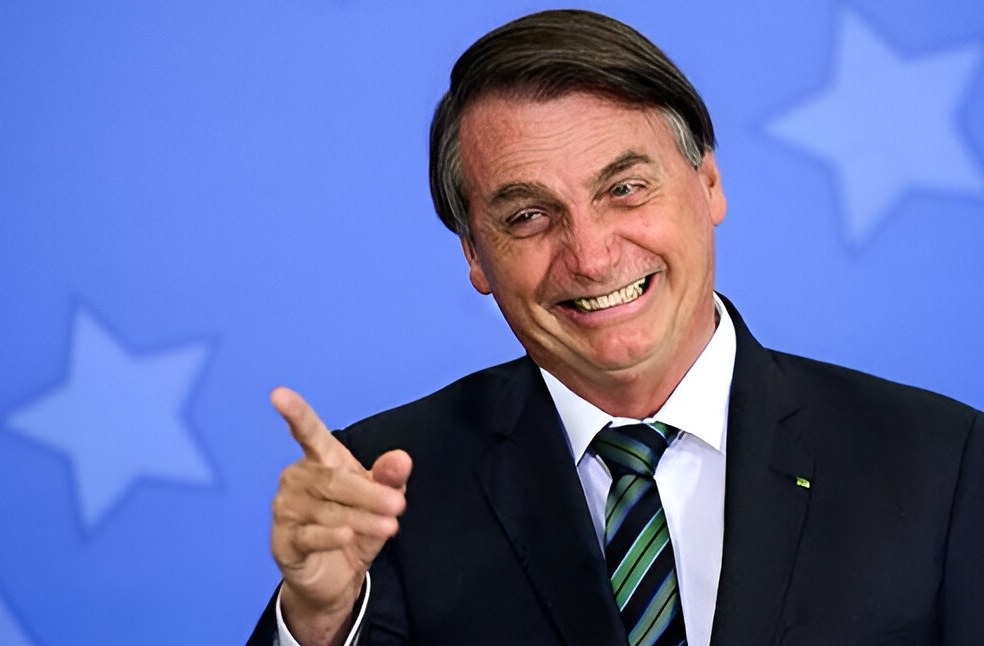
Brasília: Brazil’s former president Jair Bolsonaro has been ordered by the Supreme Court to wear an electronic ankle monitor and comply with a nighttime curfew, as part of a series of restrictions imposed with concerns he may attempt to flee the country while facing trial for alleged coup plotting.
The right-wing leader, who governed Brazil from 2019 to 2022, is accused of conspiring to prevent the lawful inauguration of President Luiz Inácio Lula da Silva in January 2023. Bolsonaro rejected all allegations and labelled the restrictions a supreme humiliation, insisting he never intended to leave Brazil.
The sweeping court order, issued by Supreme Court Justice Alexandre de Moraes, came following a police raid on Bolsonaro’s residence and political headquarters. He has also been barred from using social media and communicating with foreign diplomats or his son, Congressman Eduardo Bolsonaro, who has reportedly lobbied in the US on his behalf.
According to the Federal Police, Bolsonaro is being investigated for obstruction of justice, coercion, and undermining national sovereignty. Authorities claim he acted in coordination with others to destabilise democratic institutions and avoid prosecution.
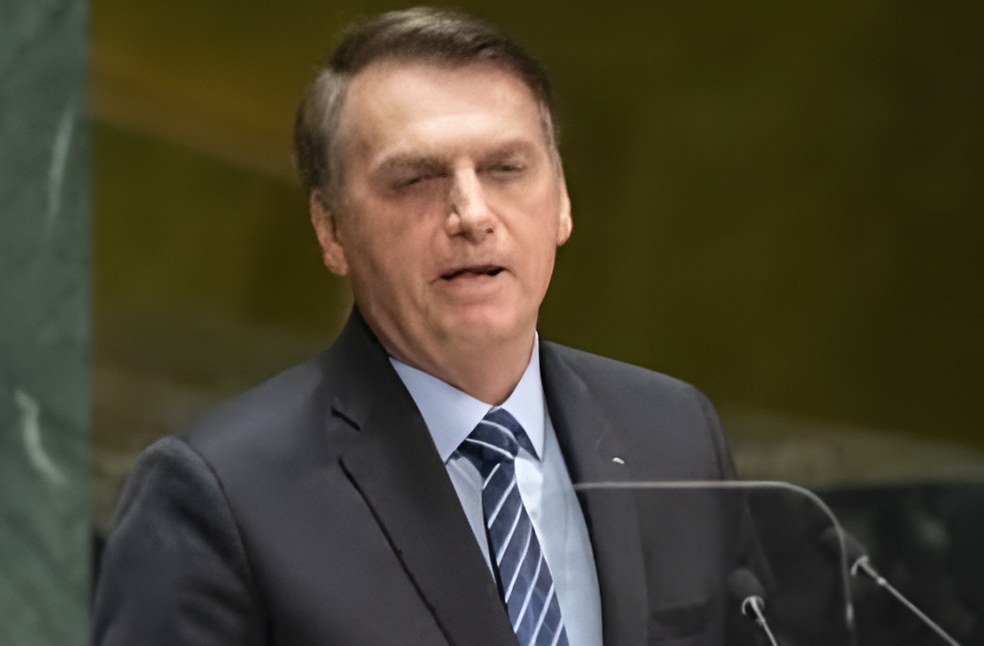
The trial, which also involves seven co-defendants, centres on the storming of government buildings on January 8, 2023, just days after Lula took office. Bolsonaro’s supporters invaded Brazil’s Congress, Supreme Court, and presidential palace in what prosecutors have termed an attempted coup. Bolsonaro was in the United States at the time of the incident and has denied any involvement in the events.
An 884-page federal report, released in November 2024, claims Bolsonaro ‘planned, acted, and was directly and effectively aware’ of the operation to subvert Brazil’s democratic order. Attorney General Paulo Gonet echoed these findings earlier this year, accusing Bolsonaro of leading those involved in the plot.
The political fallout has extended beyond Brazil’s borders. US President Donald Trump, a close ally of Bolsonaro has publicly condemned the case, calling it a ‘witch hunt’ and comparing it to his legal troubles. Trump even threatened to impose a 50 percent tariff on Brazilian imports from August 1 unless charges against Bolsonaro are dropped.
In response, President Lula reaffirmed Brazil’s judicial independence, stating on social media that no one is above the law and pledging to impose reciprocal tariffs if the US follows through with its threat.
Bolsonaro’s legal team has reacted strongly to the court’s decisions, expressing surprise and outrage and asserting that the former president has consistently complied with judicial orders. If convicted on all five charges, which include staging a coup, leading an armed criminal group, and destroying national heritage, the 70-year-old could face decades in prison.
With Bolsonaro still a prominent figure on Brazil’s political scene and reportedly considering a run for president in 2026, the legal and diplomatic ramifications of this case are expected to shape the country’s political landscape for years to come.
MOST READ | Heavy rains leave 4 dead and mass evacuations in South Korea
