



Havana: Cuba’s Labour Minister, Marta Elena Feitó Cabrera, has been forced to resign following intense backlash over remarks she made denying the existence of beggars in the country.
The Minister’s comments, delivered during a parliamentary session earlier this week, were widely condemned by Cubans both within the country and abroad, leading to a response from President Miguel Díaz-Canel and ultimately prompting her resignation.
Feitó Cabrera had stated during the National Assembly session that, “There are no beggars in Cuba. People are pretending to be beggars to make easy money.” Cabrera also accused individuals searching through rubbish of being ‘illegal participants in the recycling service.’
The Labour Minster’s remarks were seen as deeply insensitive and disconnected from the hardships ordinary Cubans are enduring during a severe economic crisis, marked by rising poverty and chronic food shortages. The statements sparked outrage across Cuban society and on social media platforms.
Activists call for dismissal
In response to her claim that those seen begging were merely pretending, Cuban economist Pedro Monreal posted on X that, “It must be that there are also people disguised as ‘ministers’.”
The minister’s comments triggered a wave of public condemnation. Several Cuban activists and intellectuals issued a letter calling for her dismissal, describing her statements as ‘an insult to the Cuban people.’
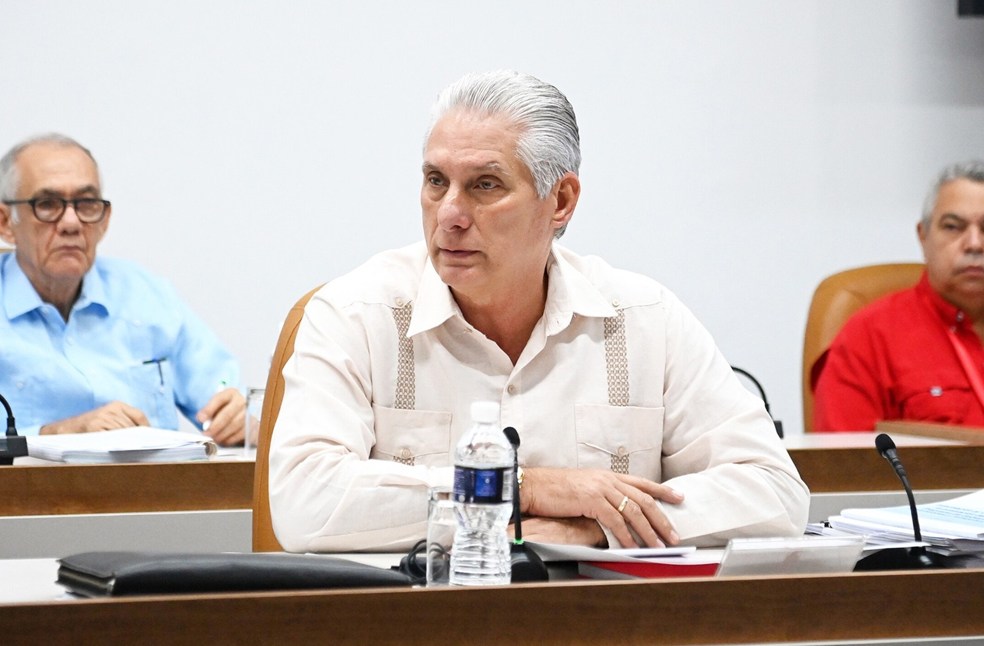
During the same parliamentary session, President Miguel Díaz-Canel criticised the Labour Minister’s remarks, without mentioning her by name, by cautioning that Cuba’s leadership should not ‘act with condescension’ or be ‘disconnected from the realities’ of the population. Following the controversy, Feitó Cabrera’s resignation was officially accepted by both the Cuban Communist Party and the government.
While the Cuban authorities do not publish official statistics on the number of beggars or homeless individuals, the growing presence of people living in poverty and rummaging through garbage has become increasingly visible to the Cuban public, highlighting the widening gap between the leadership and the everyday struggles of its citizens.
ALSO READ | Axiom-4 Crew departs ISS; Whitson extends spaceflight record
